

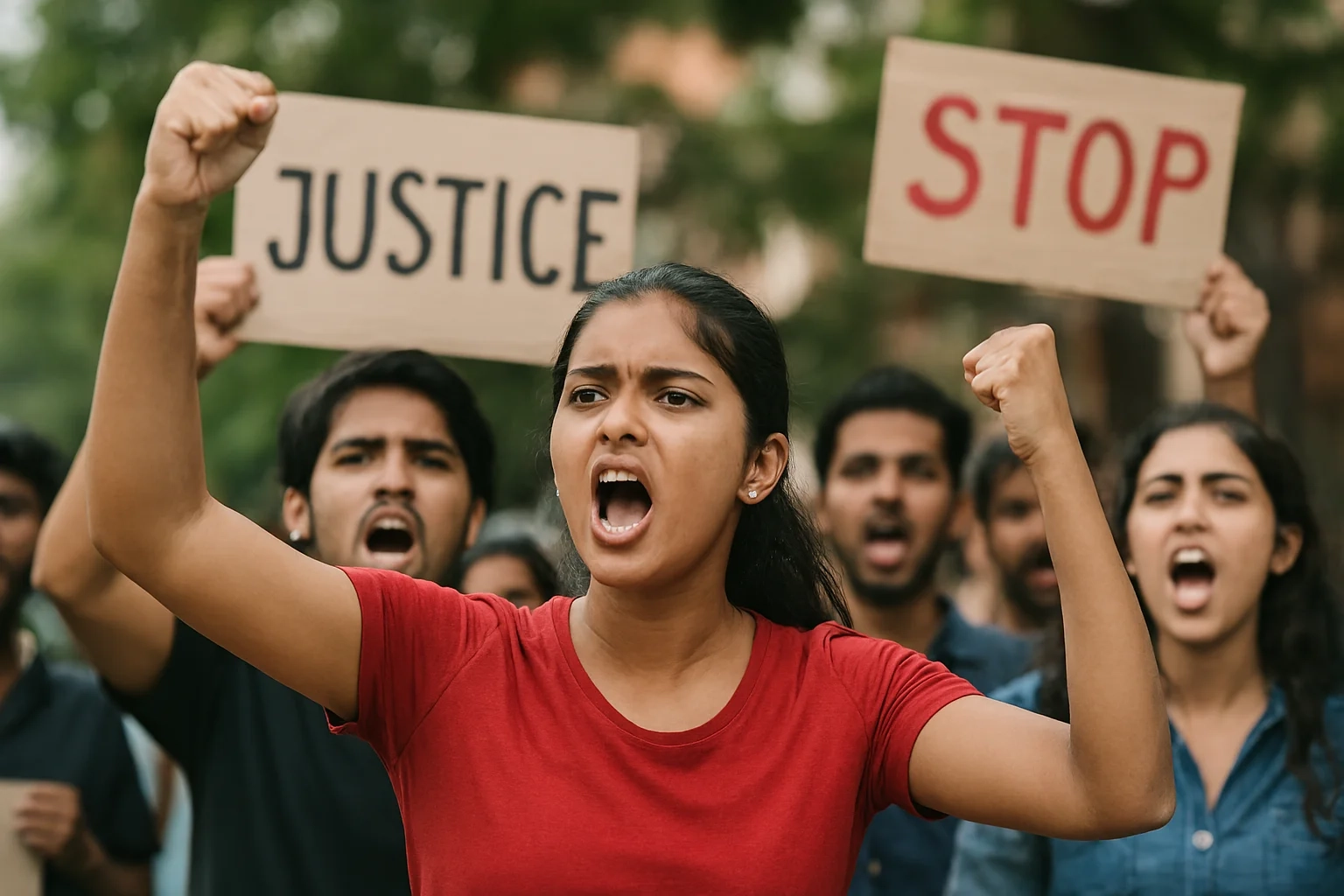
Maleeha Lodhi, writing in Dawn, describes how Generation Z, those born between the mid-1990s and early 2010s, has emerged as a powerful driver of political change. She notes that in many countries, youth-led protests have toppled governments, forced resignations, and compelled leaders to announce reforms.
According to Lodhi, the triggers for these protests vary from country to country. In Bangladesh, student anger over job quotas grew into a nationwide uprising that ended the long rule of Hasina Wajed. In Nepal, a government ban on social media sparked demonstrations that eventually led to the resignation of Prime Minister K.P. Sharma Oli. In Madagascar, water shortages and power cuts ignited unrest that culminated in a military coup. Similar youth-led protests have also been seen in Sri Lanka, Morocco, Indonesia, the Philippines, Kenya, and Peru.
A common thread, Lodhi explains, is frustration with corruption, authoritarianism, nepotism, and economic hardship. She highlights how resentment toward political dynasties and so-called “nepo-babies” has become a rallying cry. Viral hashtags such as nepokids and nepobabies have exposed the lavish lifestyles of politicians’ children, fueling anger among ordinary citizens struggling with inequality.
Social media, she emphasizes, has been central to these movements. Gen Z has used digital platforms to mobilize, spread messages, and inspire solidarity across borders. Protesters in one country often draw inspiration from movements in another, creating what Lodhi calls contagious uprisings.
While outcomes have differed, ranging from government resignations to promises of reform, Lodhi points out that none of these protests have yet delivered the deep structural change young people demand. Still, she argues, they have sent a powerful warning to ruling elites. Misrule and corruption will not go unchallenged.
Her conclusion is clear. Generation Z has already reshaped the political landscape by showing that entrenched parties and dynasties risk irrelevance if they ignore public grievances. The protests may not have rewritten political systems yet, but they have changed the conversation about accountability and governance in ways that cannot be reversed.