

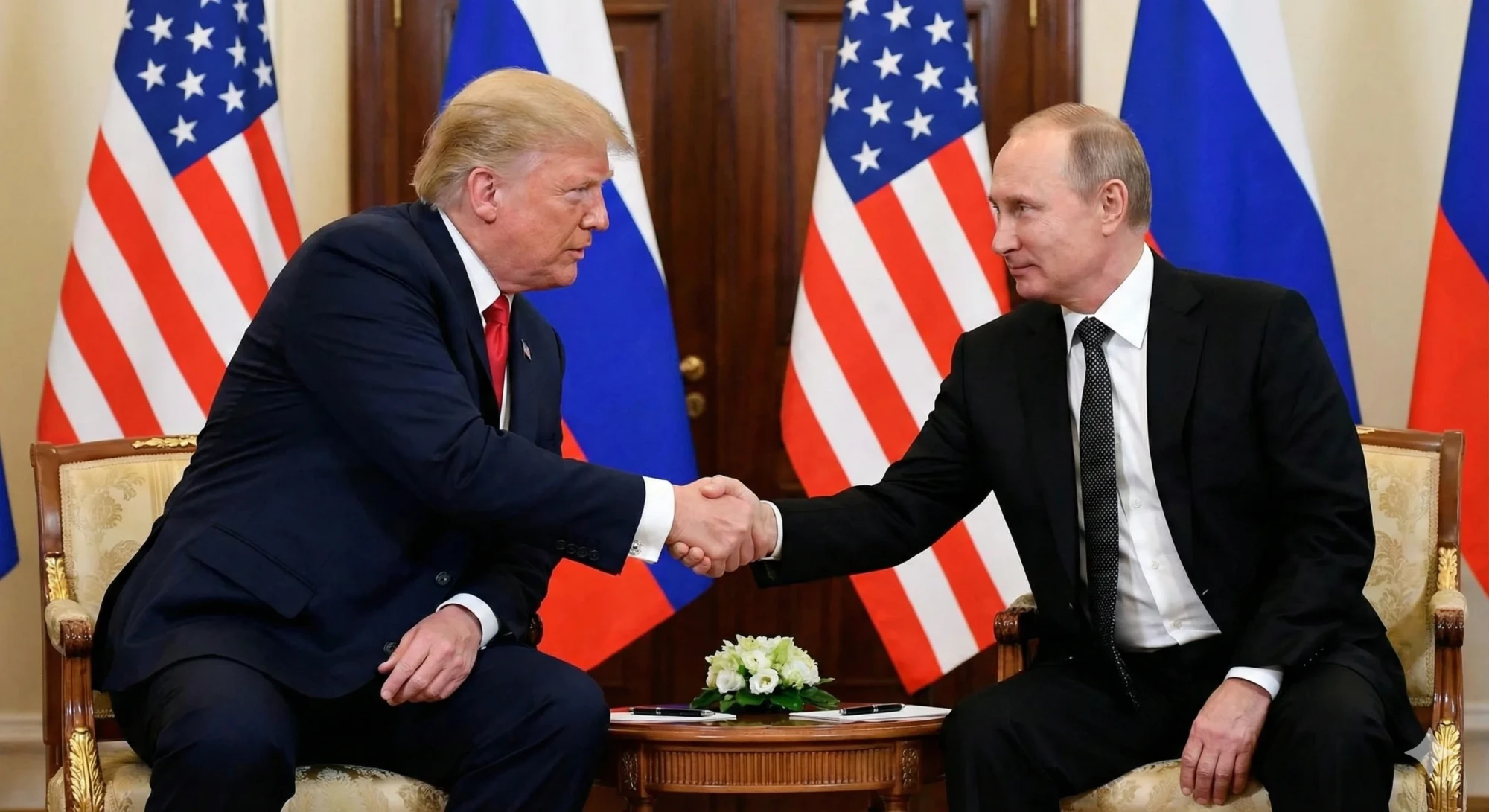
Russia’s Response
Kremlin spokesperson Dmitry Peskov told Russian outlets that the changes outlined in Washington’s 33‑page strategy document “correspond in many ways with our perspective” and should be seen as a positive step. The policy notably does not classify Russia as a direct threat to the United States.
European Reaction
European officials expressed unease, noting that the emphasis on freedom of expression and rejection of EU “censorship” policies echoed Kremlin talking points. Critics argued that adopting a conciliatory approach toward Moscow could weaken Europe’s collective security framework.
Germany’s foreign minister stressed that while the U.S. remains NATO’s most important ally, freedom of expression should not be politicized in such strategies. Poland’s prime minister reiterated that Europe is America’s closest partner, not an obstacle. Former Swedish premier Carl Bildt said the document went “beyond even far‑right positions.”
Policy Highlights
The strategy portrays Europe as facing “civilizational decline” and calls for resisting the EU’s current trajectory. It emphasizes restoring Western identity, praises the influence of nationalist European parties, and encourages allies to foster patriotic sentiment.
It also outlines “America First” priorities, including targeting drug‑trafficking vessels in the Caribbean and Pacific, considering military action against Venezuela, and pressing allies such as Japan, South Korea, Australia, and Taiwan to increase defense spending.
U.S. Domestic Criticism
International media note that Democrats in the U.S. Congress have strongly opposed the plan. Representative Jason Crow labeled it “disastrous for America’s global standing,” while Gregory Meeks argued it strikes at the core of values that have defined U.S. leadership for decades.