
- President Trump confirms ongoing negotiations while deploying naval assets toward Iran.
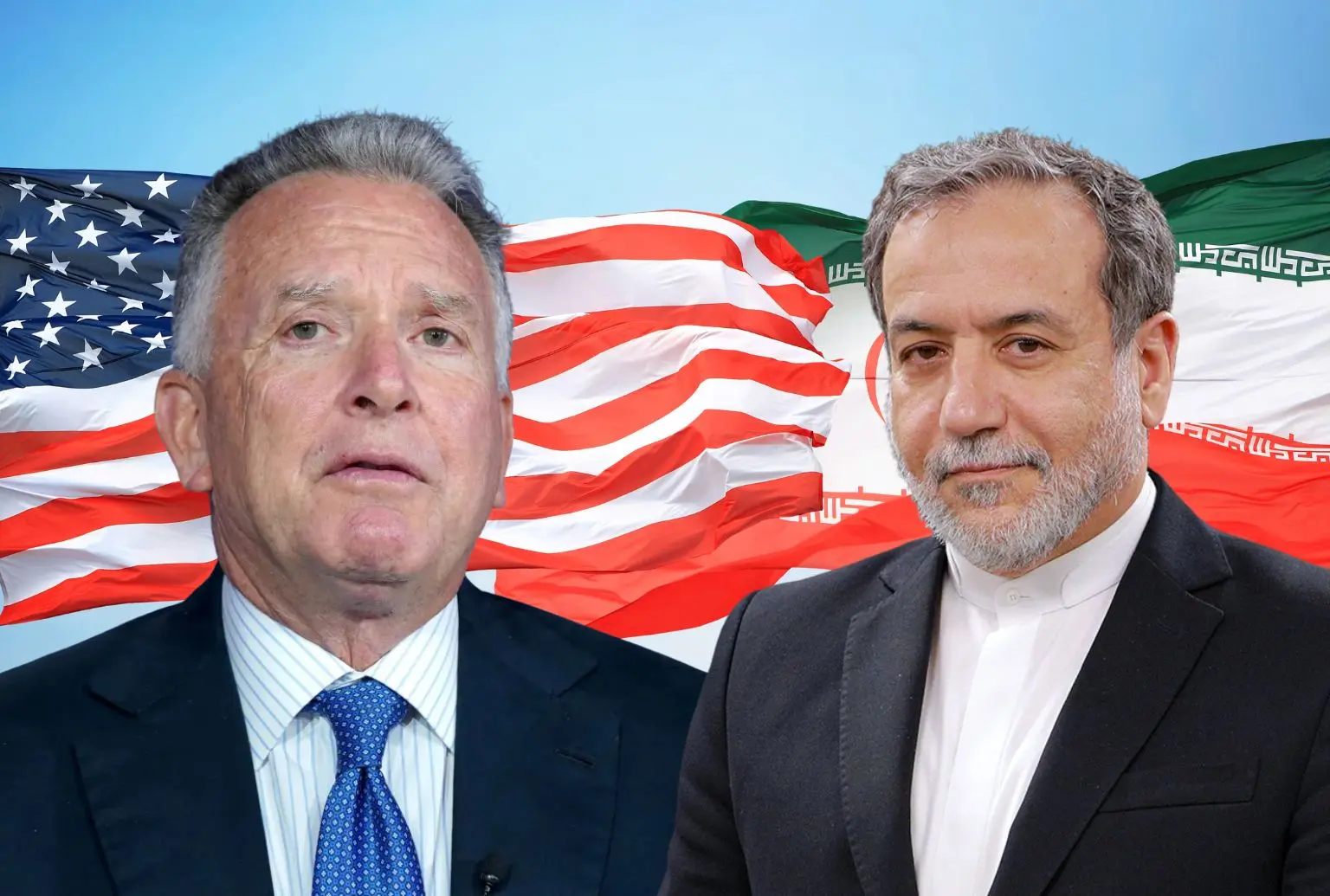
- Iranian FM Abbas Araghchi and US Envoy Steve Witkoff to meet in Istanbul on February 6.
- Tehran signals readiness for nuclear talks but maintains a firm stance on missile programs.
Trump Signals Diplomatic Opening Amid Military Movement
In a significant shift in Middle Eastern geopolitics, U.S. President Donald Trump has confirmed that his administration is actively engaged in negotiations with Iran. Speaking to reporters at the White House on Monday, the President adopted a dual-track approach, highlighting both diplomatic efforts and military readiness. Trump reportedly noted that while ‘big American ships’ are heading toward Iran, the door for dialogue remains open. ‘We have negotiations going on with Iran; we’ll see what happens,’ he stated, though he balanced this with a stark warning that ‘something bad’ could occur if these discussions fail to reach a fruitful conclusion.
The Istanbul Summit: Araghchi and Witkoff
Parallel to the President’s remarks, international news agencies have reported a scheduled high-level encounter between the two nations. According to Reuters and Axios, Iranian Foreign Minister Abbas Araghchi is expected to meet with the U.S. Special Envoy, Steve Witkoff, in Istanbul, Turkey, on February 6. This meeting is reportedly focused on the technical and political aspects of Iran’s nuclear program. Sources within the Iranian Foreign Ministry suggest that the groundwork for this meeting has been laid over several weeks of back-channel communications.
Nuclear Capabilities vs. Regional Proxies
The upcoming dialogue follows a pivotal interview given by Abbas Araghchi to CNN on Sunday. During the interview, Araghchi indicated that Iran is prepared to discuss its nuclear capabilities to ensure the absence of nuclear weapons through a ‘fair deal.’ He emphasized that such an agreement could be reached in a short timeframe if both parties are sincere. However, he drew a firm line regarding Iran’s missile program and its regional alliances, including the Houthis. When questioned on these topics, Araghchi reportedly stated it is better not to discuss ‘impossible things,’ suggesting that Tehran is not yet ready to compromise on its regional influence or conventional defense mechanisms.
Pezeshkian’s Mandate for Dialogue
The push for negotiations appears to have high-level backing within the Iranian government. Reports from AFP and the Iranian news agency Fars indicate that President Masoud Pezeshkian has officially ordered the commencement of talks with the United States regarding the nuclear program. This directive has been echoed by state-aligned publications in Iran, such as the ‘Iran’ newspaper and the reformist daily ‘Shargh,’ signaling a coordinated domestic effort to de-escalate tensions and potentially seek relief from international sanctions.
A Turning Point for Regional Stability
The timing of the Istanbul meeting is crucial, as the international community watches for signs of a ‘JCPOA 2.0’ or a entirely new framework for regional security. While the presence of U.S. naval assets in the region serves as a deterrent, the diplomatic engagement suggests a preference for a negotiated settlement. Observers believe that the February 6 meeting will be a litmus test for whether the Trump administration’s ‘maximum pressure’ strategy can be transitioned into ‘maximum diplomacy’ to achieve a lasting regional settlement. As the date approaches, the world remains focused on Istanbul to see if these two long-standing adversaries can bridge their deep-seated differences.