
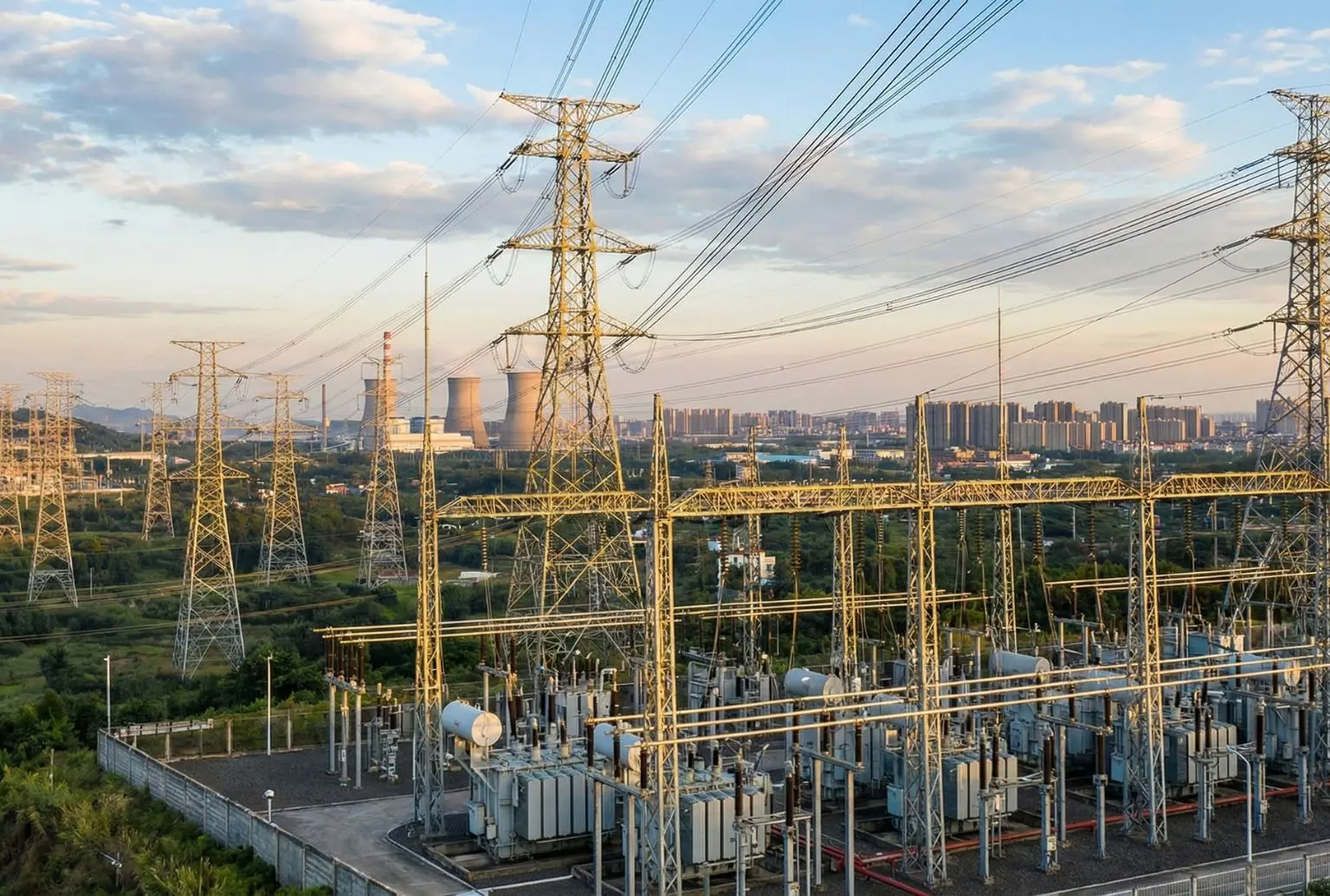
- Industrial electricity rates could drop by over Rs 4 per unit.
- Rs 101 billion industrial cross-subsidy is set to be eliminated.
- Fixed charges proposed for both protected and non-protected domestic users.
Major Relief Proposed for Industrial Sector
Power Division officials briefed the authority that the industrial tariff could decrease by Rs 4.04 per unit if the proposal is approved. A significant part of this plan involves eliminating the Rs 101 billion cross-subsidy currently paid by industrial players. At present, the industrial sector provides substantial subsidies to domestic consumers, while commercial and general services sectors contribute Rs 90 billion and Rs 35 billion respectively. By removing these cross-subsidies, the government aims to lower the industrial energy rate to approximately 11.5 cents per unit, with further potential reductions to 10.5 cents for those utilizing the three-year incentive package. Officials emphasized that reducing costs is essential to keep the wheels of industry turning, as Pakistan currently faces the highest industrial power rates in the region.
Impact on Domestic and Net Metering Consumers
For domestic households, the government has suggested a mix of tariff reductions and the introduction of fixed monthly charges. While unit prices for consumers using over 300 units monthly may see a decrease ranging from 49 paise to Rs 1.53 per unit, new fixed charges are proposed for both protected and non-protected categories. Protected consumers using up to 100 units may face a monthly fixed charge of Rs 200, while those using 200 units could be charged Rs 300. Non-protected consumers will face varying fixed charges starting from Rs 275 for the lowest slab up to Rs 675 for high-volume users. The Power Division also addressed the rise of solar energy, noting that net metering has significantly increased the number of protected consumers from 9.4 million to over 21.5 million. While officials clarified that solar policies were not incorrect, they noted that the rapid shift to off-grid solutions has created a financial gap that must be balanced to maintain grid stability and fair distribution of costs.