

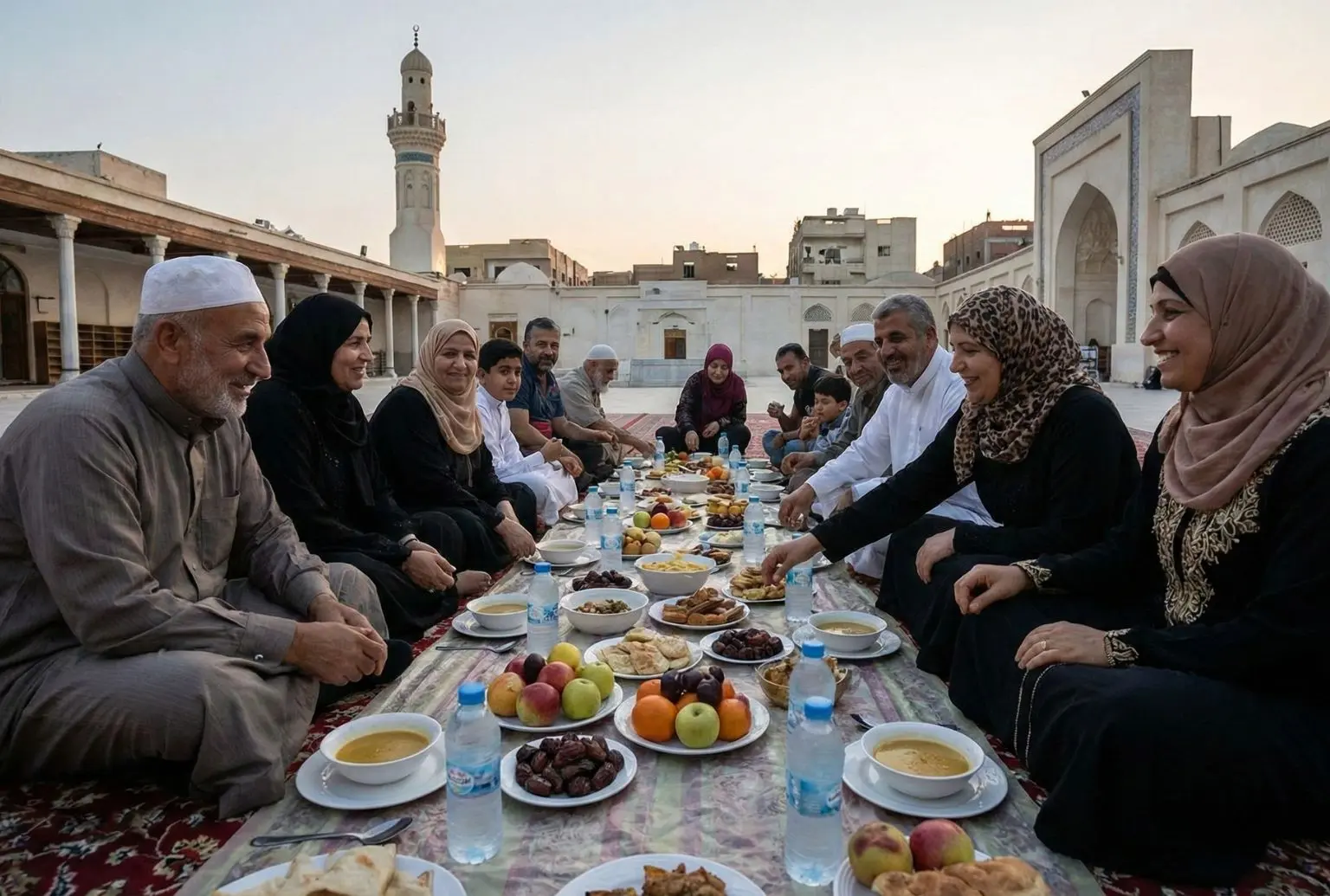
- Ramadan 2026 likely begins on February 18 or 19 worldwide.
- Fasting hours range from 2.5 to 14.5 hours globally.
- Moderate 12-hour fasts expected in Pakistan and Saudi Arabia.
The Muslim world is preparing for the arrival of Ramadan 2026, with the first fast expected on either Wednesday, February 18, or Thursday, February 19. This slight variance in dates depends entirely on the sighting of the crescent moon in different parts of the globe. For millions of believers, this ninth month of the Islamic calendar is a sacred time for devotion, marking a historical mandate that dates back to the second year of the Hijra. Each year, the lunar calendar shifts approximately 11 days earlier, causing the holy month to rotate through different seasons over a 33-year cycle.
Varying Fasting Durations Globally
The duration of daily fasts will fluctuate significantly based on geographical coordinates and the tilt of the Earth. According to BBC Urdu, the Southern Hemisphere is currently entering its summer season, resulting in longer days and extended fasting periods. In Chile’s Puerto Williams, the fast may last up to 14.5 hours. Conversely, in the Northern Hemisphere’s winter, regions like Longyearbyen in Norway will start with fasts as short as 2.5 hours, though this duration will increase to 12.5 hours as the month concludes and the season shifts.
Fasting in the Muslim World
Within the heart of the Muslim world, fasting times are expected to be quite moderate. In Makkah, the fast will begin at roughly 11.5 hours and increase by half an hour by the end of Ramadan. In Pakistan, worshippers will observe fasts starting at slightly over 12 hours, with a 40-minute increase by the month’s end. This year offers a much-needed reprieve for those in high-latitude regions like Russia and Greenland, where summer Ramadan cycles previously forced believers to endure grueling 20-hour fasts.
A Decade of Shifting Cycles
The 2026 Ramadan represents a move towards more balanced daylight hours for the Northern Hemisphere. Until 2031, fasting durations in the north will continue to decrease annually as the month approaches the winter solstice on December 21. For Muslims in the Southern Hemisphere, the trend will be the opposite, with fasts gradually lengthening each year. This cycle highlights the dynamic nature of the Islamic calendar, ensuring that the experience of Ramadan remains unique for every generation across the globe.