

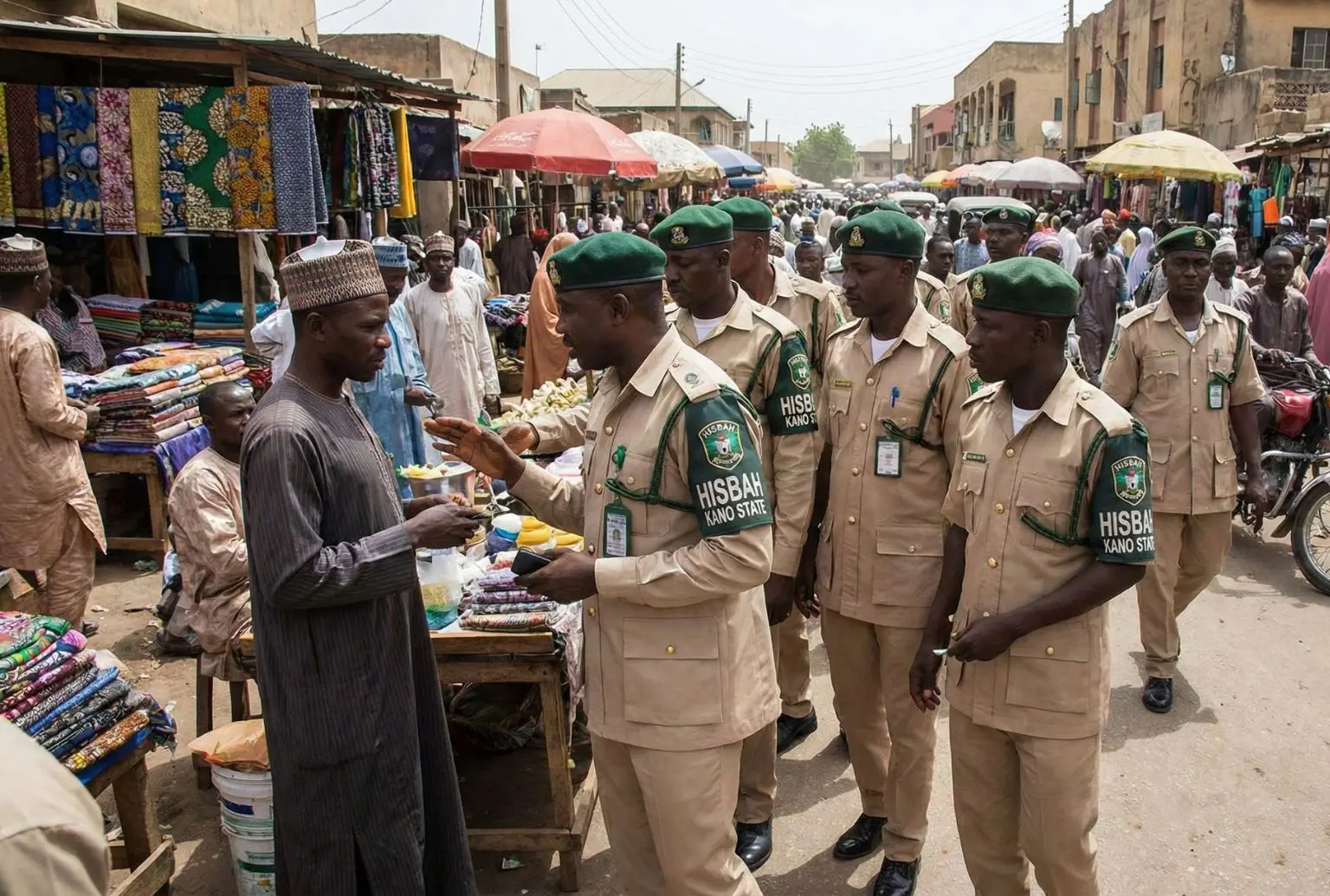
- Hisbah police arrested nine Muslims for eating during Ramadan.
- Detainees include seven men and two women in Kano.
- Arrested individuals will receive religious education before release.
The Hisbah, known as the Islamic religious police in Nigeria’s Kano State, arrested nine Muslims for eating in public during the first day of the holy month of Ramadan. The operation targeted marketplaces and eateries to ensure the Muslim-majority population adheres strictly to the mandatory fasting period. The detainees, comprising seven men and two women, were taken into custody during routine patrols aimed at enforcing religious discipline.
Official Statements and Legal Context
According to the BBC, Hisbah Deputy Commander General Mujahid Aminuddin confirmed the arrests and noted that the individuals claimed to be unaware that Ramadan had officially begun. Kano is one of 12 northern Nigerian states where Sharia law was introduced two decades ago to operate alongside secular legislation. While Christian-dominated areas remain open and unaffected, the religious police maintain a presence in Muslim sectors to monitor compliance with Islamic tenets.
Educational Measures for Detainees
The arrested individuals are not facing immediate criminal prosecution but are being held at the police headquarters for religious instruction. Commander Aminuddin stated that the Hisbah will teach the group the importance of fasting, how to pray, and how to read the Quran to help them become better Muslims. This approach focuses on rehabilitation and spiritual guidance rather than punitive measures common in secular judicial processes.
Release Protocols and Future Monitoring
The timing of their release remains uncertain, although standard procedure involves contacting the families of those detained. Officials often seek assurances from relatives that the individuals will be monitored and encouraged to complete their fasts for the remainder of the month. This localized enforcement highlights the dual legal complexities in northern Nigeria, where religious and secular authorities share jurisdiction over public conduct during significant Islamic events.