

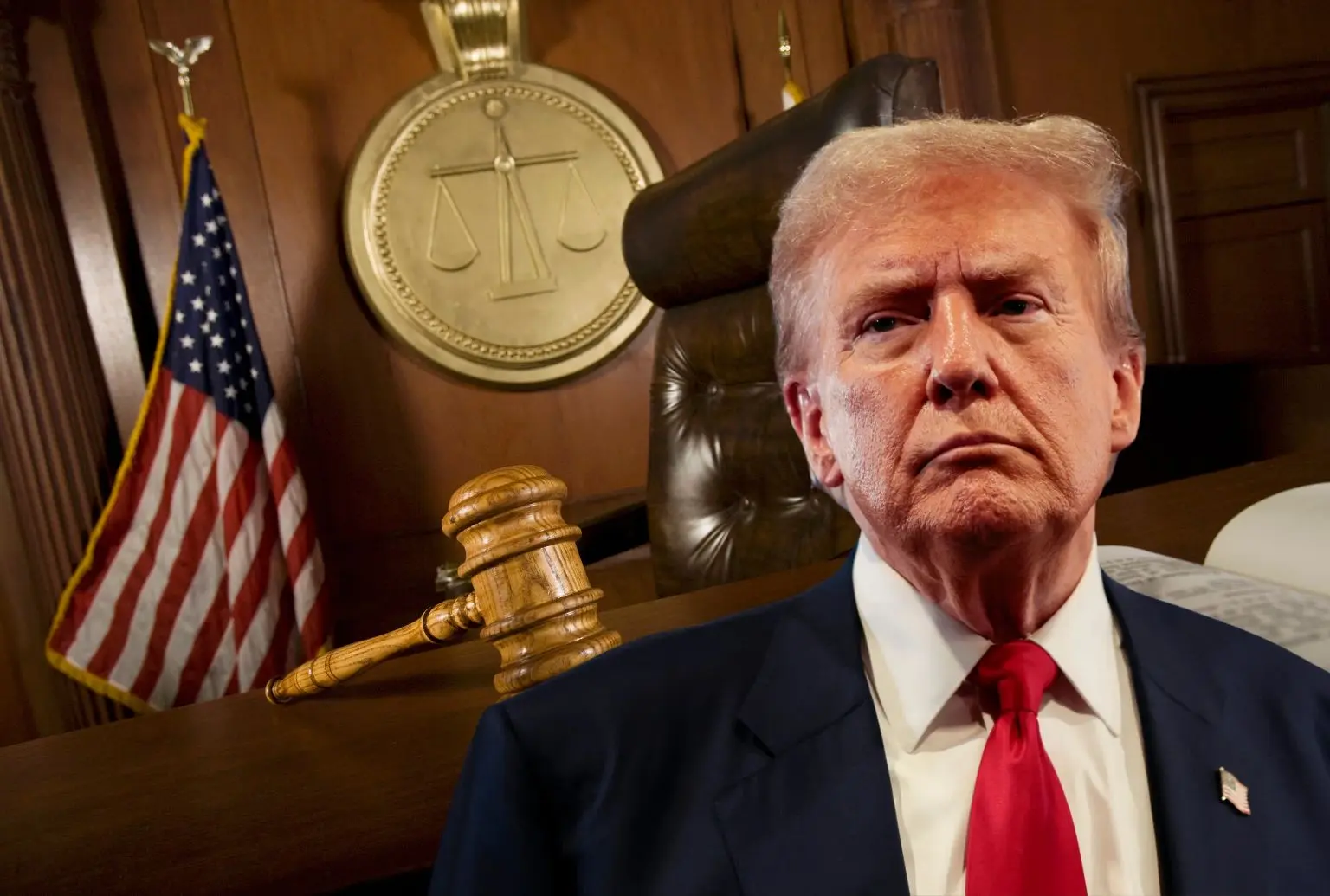
- Supreme Court strikes down Trump’s global tariffs in 6-3 vote.
- Justices rule President exceeded authority under emergency economic laws.
- Decision marks significant restriction on executive trade policy powers.
Exceeding Presidential Power
According to the BBC, the court ruled that President Trump exceeded his constitutional and statutory authority when implementing these broad trade measures. The justices clarified that the International Emergency Economic Powers Act (IEEPA) of 1977 does not grant the President the power to impose such extensive, indefinite tariffs. The court emphasized that the authority to regulate international commerce and set tariffs primarily resides with Congress, marking a significant check on executive reach.
Judicial Split Details
The ruling saw an unusual coalition of justices, with three liberal members Ketanji Brown Jackson, Elena Kagan, and Sonia Sotomayor joining three conservatives Chief Justice John Roberts, Neil Gorsuch, and Amy Coney Barrett to strike the policy. They argued the tariffs were too broad and unlimited in duration. Conversely, Justices Brett Kavanaugh, Samuel Alito, and Clarence Thomas dissented, expressing disagreement with the majority’s interpretation of presidential emergency powers in matters of national economic security.
Economic Policy Impact
This legal setback directly impacts Trump’s strategy of using tariffs as leverage against nations like China, Canada, and Mexico. While the President previously claimed these taxes were essential to stop the flow of illegal drugs and protect the domestic economy, the court’s intervention complicates future trade maneuvers. Experts suggest that while other legal pathways for tariffs exist, they would require more rigorous investigations or direct Congressional approval, potentially slowing down the administration’s aggressive trade agenda.