
 AI Generated
- Iran presents new nuclear proposal to US in Geneva.
- Oman continues role as primary mediator between both nations.
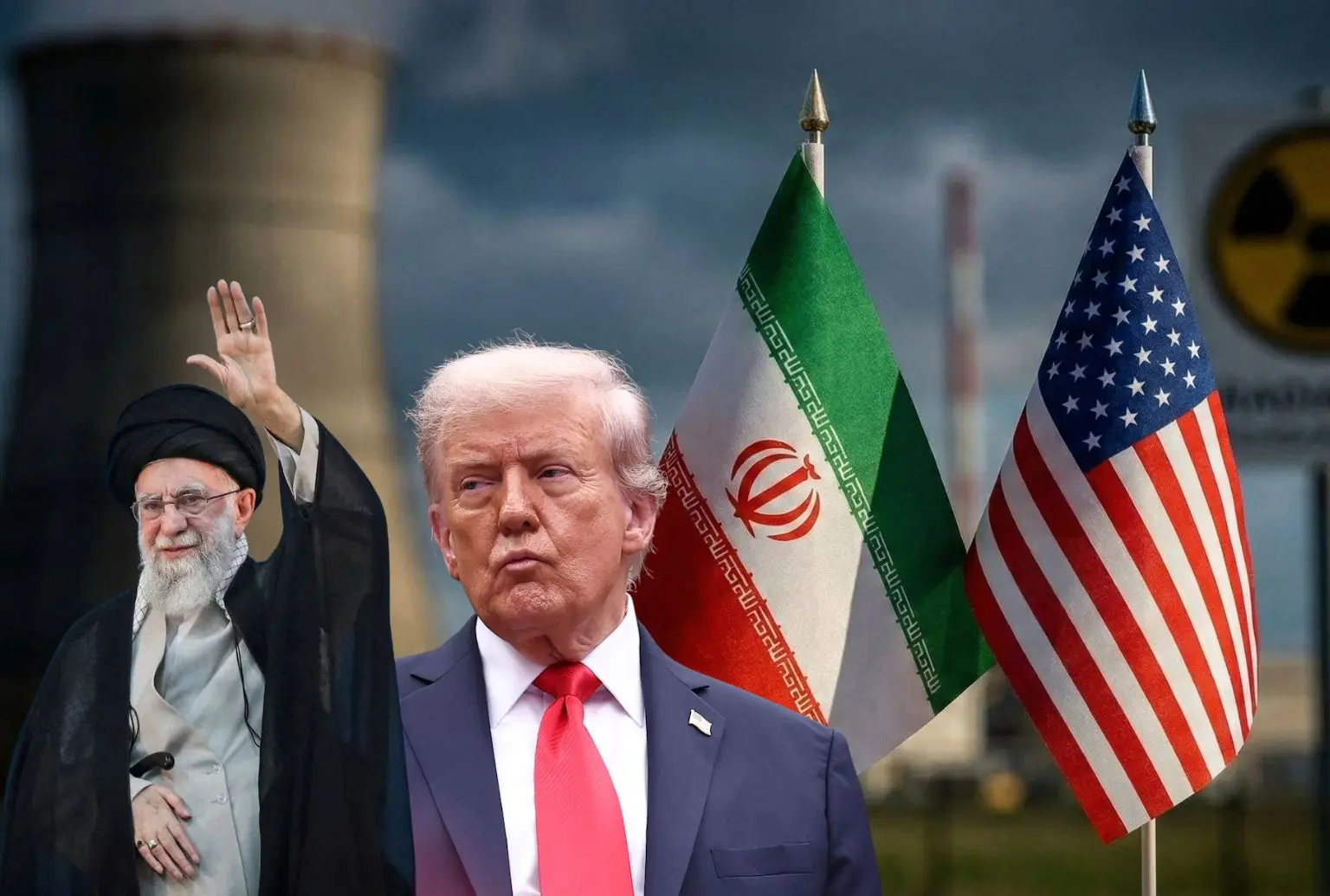
- President Trump warns of military action if deal fails.
The city of Geneva is currently witnessing a surge of diplomatic activity as dozens of journalists from across the globe gather to cover the high-stakes negotiations between Iran and the United States. Unlike the cold and rainy weather experienced last week, the city is bathed in warm sunshine today, yet the political atmosphere remains highly unpredictable. Observers are bracing for various outcomes, ranging from a positive conclusion and a promise for future rounds to the possibility of total failure or a definitive success in specific segments of the dialogue.
The Mediatory Role of Oman
While rumors circulate regarding potential direct contact between Iranian and American negotiators, the Omani delegation continues to serve as the official mediator. Oman has formally confirmed this round of talks, expressing hope that both parties have arrived in Geneva with the intent to finalize the ongoing discussions. The Omani Foreign Ministry announced that Foreign Minister Badr Albusaidi will be the primary channel for conveying Tehran’s perspectives to the American side during these delicate proceedings.
Iran’s Proposal and Washington’s Reaction
Iran’s state news agency, IRNA, has reported that the proposal presented to the American side today is designed to eliminate all excuses regarding the nature of Iran’s peaceful nuclear program. According to the BBC, the Iranian state media warned that if the White House rejects this offer, it will confirm suspicions that Washington’s interest in diplomacy is merely a performative act rather than a sincere effort. The specifics of the proposal remain confidential, but the rhetoric suggests a decisive push from Tehran.
Diplomatic Presence in Switzerland
Iranian Foreign Minister Abbas Araghchi arrived in Geneva last night to spearhead the third round of these indirect negotiations. Upon his arrival, he held immediate consultations with the Omani Foreign Minister to align on the messaging being relayed to the United States. This round is seen as a critical juncture in the long-standing nuclear standoff, with both sides under immense pressure to deliver a viable framework for de-escalation.
US Security Concerns and Marco Rubio
On the American side, Secretary of State Marco Rubio has maintained a firm stance, emphasizing that any meaningful dialogue with Iran must extend beyond just the nuclear issue. The US administration is pushing for a broader agenda that addresses regional stability and other security concerns. This requirement adds another layer of complexity to the talks, as Iran has historically preferred to keep the focus strictly on the technical aspects of the nuclear agreement.
Pezeshkian’s Religious and Moral Stance
Iranian President Masoud Pezeshkian has reiterated that Iran has no desire to manufacture weapons of mass destruction. He stated that the prohibition of nuclear weapons is based on a religious and jurisprudential decree (Fatwa) issued by the Supreme Leader, which is a matter of faith rather than a shifting political strategy. Pezeshkian dismissed the claims of ‘enemies’ by asserting that Iran’s own principles already align with the demand to avoid nuclear armament.
Trump’s Hardline Rhetoric and Threats
The backdrop of these talks is further complicated by recent remarks from President Donald Trump during his annual address to Congress. Trump characterized Iran’s activities as having ‘evil nuclear ambitions’ and warned of military action if a comprehensive agreement is not reached. Despite these threats, the presence of both teams in Geneva suggests that there is still a window for diplomacy, though the margin for error is increasingly slim.