

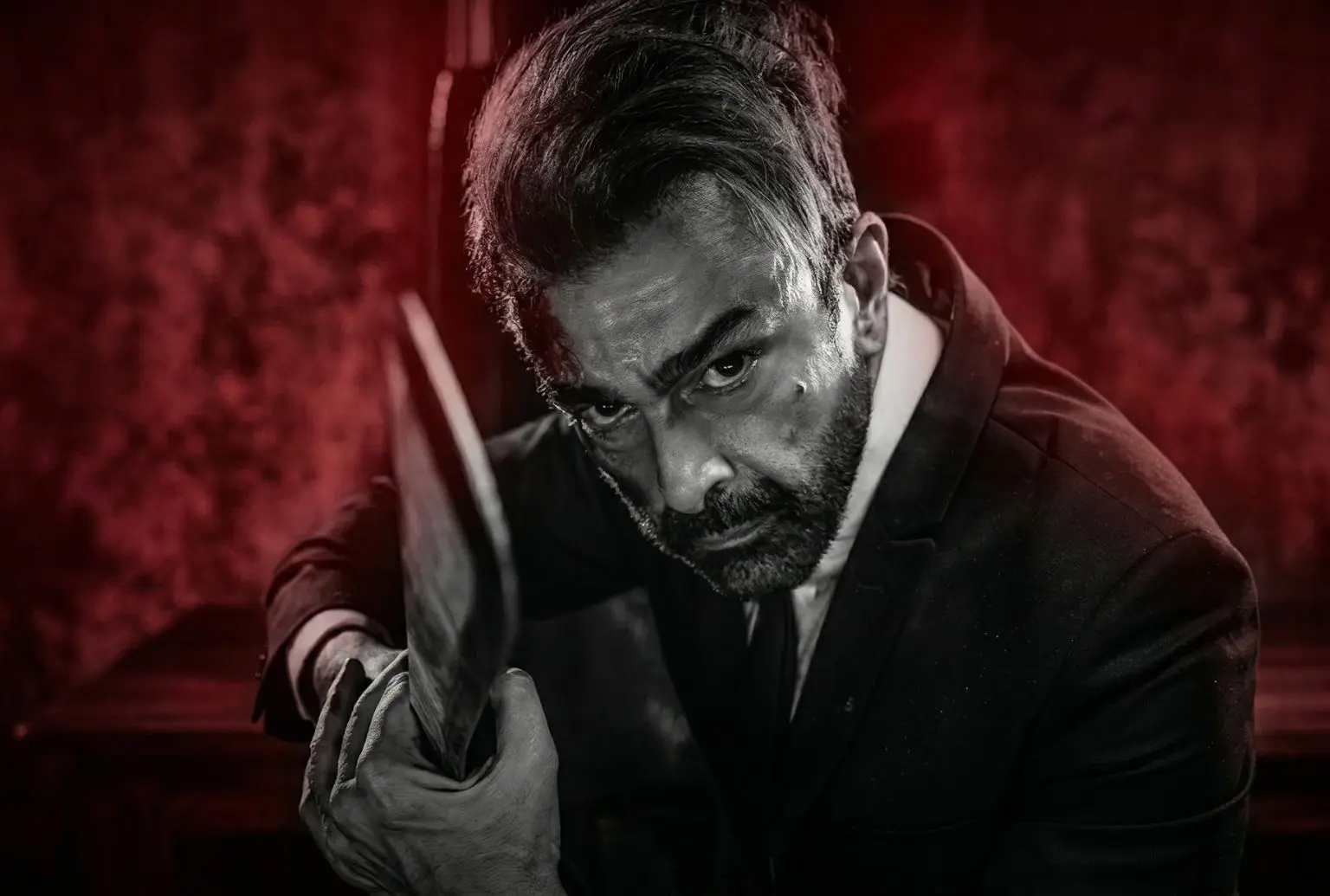
 X/Shaan Shahid
Veteran actor Shaan Shahid has officially returned to Punjabi cinema after a gap of more than twelve years with the release of his new film titled Bullah. Speaking in an exclusive interview with BBC Urdu, the actor reflected on his three decade long career and the evolution of his roles from romantic leads to action heroes.
The actor explained to BBC Urdu that his long absence from the Punjabi film scene was a personal choice after dedicating years of hard work to the industry. Shaan Shahid noted that unlike many of his contemporaries, he does not participate in television dramas, which often makes him appear less frequently in the public eye.
Regarding the artistic direction of the Shaan Shahid Bullah film, the actor clarified that the project does not rely on the traditional gandasa or axe culture. He described the movie as a new fusion designed with a high commercial pace that caters to the modern tastes of cinema audiences in Pakistan and abroad.
Evolution of Cinema
The veteran actor highlighted that the decline of the traditional film culture in Punjab was one of the primary reasons he stepped away from the genre for over a decade. He told BBC Urdu that the responsibility for creating quality content lies with the writers, directors, and producers who must understand how to utilize an actor’s potential.
Using a metaphorical approach, Shaan Shahid remarked that if a horse is to run a race, the rider must be an expert in their craft. He emphasized that an actor’s interest is always rooted in the strength of the script and the vision of the production team behind the camera.
When asked about the modern trend of creating memes from his older film scenes, Shaan Shahid suggested that every era has its own standards of fashion and storytelling. He compared the situation to looking at an old identity card photo where the person appears to belong to a completely different time and social setting.
He further elaborated that while films like The Matrix were praised for their technology, local attempts to adapt similar ideas into a desi context were often mocked by those outside the specific cultural environment. He argued that it is unfair to judge the creative standards of the past by the technological benchmarks of the current digital age.
Global Narrative War
During the interview with BBC Urdu, Shaan Shahid expressed his views on the screening of Indian Punjabi films within Pakistan and called for a policy of reciprocity. He stated that Pakistani films should receive the same amount of space and screen time in India that Indian films are granted in Pakistan.
The actor also spoke extensively about the concept of mental warfare and how propaganda is used as a tool to influence human psychology during times of conflict. He observed that neighboring countries have mastered the art of creating narratives that target specific regions like Balochistan to create a sense of unrest.
Shaan Shahid criticized the local intellectuals and security experts for relying solely on physical weaponry and military hardware while ignoring the power of cinematic narratives. He believes that films focusing on mental warfare are essential for presenting a nation’s true story to the world under the guise of entertainment.
He pointed out that international productions often use Pakistani art directors and specific set designs to create authentic looking environments for their own agendas. He cited his previous social media response to Indian actor Sunny Deol regarding dialogues about Lahore as an example of how he tries to counter these narratives.
Artificial Intelligence Impact
Looking toward the future, Shaan Shahid discussed the integration of artificial intelligence within the film industry and how it brings both innovation and new challenges. He told BBC Urdu that he believes entire films should eventually be made using this technology to stay competitive on a global scale.
The actor stressed the importance of bringing characters, singers, and artists into a legal copyright framework to ensure their rights are protected as AI becomes more prevalent. He suggested that if used correctly, artificial intelligence can open up an entirely new world of creative possibilities for filmmakers and storytellers.
However, Shaan Shahid expressed disappointment with the current government policies that focus more on restricting or locking technology rather than promoting its growth. He believes that education on these new tools must come first followed by the development of specialized platforms and scripts designed for the AI era.
In his closing remarks to BBC Urdu, he noted that while AI will significantly reduce production costs, the core of creativity will always remain human. He urged the industry to rely on technology for efficiency but to maintain their own unique thinking and innovative spirit because human intelligence is irreplaceable.