
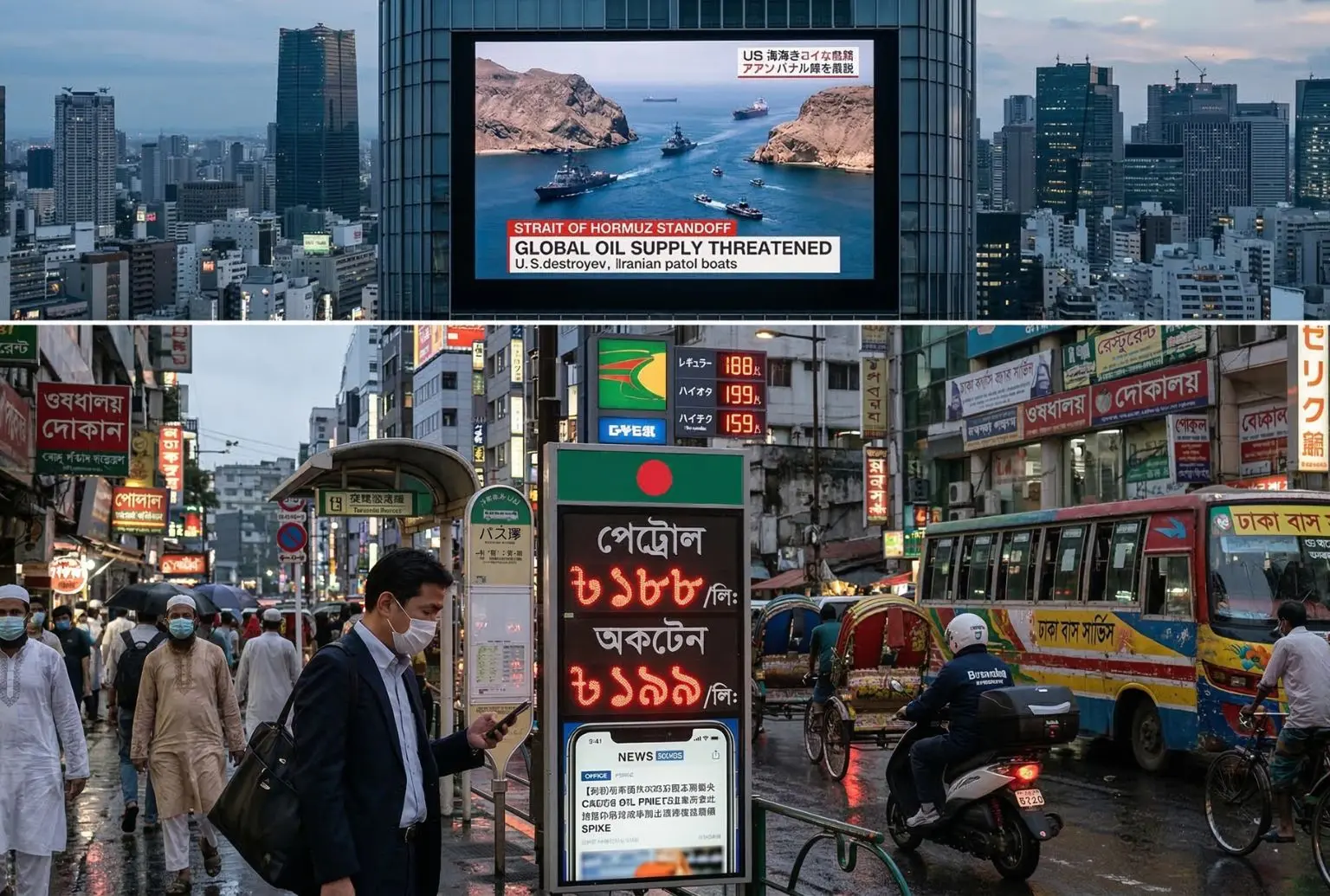
 Digitally Created
Asian nations are rapidly implementing emergency fuel conservation measures as geopolitical tensions in the Middle East threaten global energy supplies. The regional response follows reported military actions involving the United States and Israel against Iranian targets, sparking fears of a total maritime blockade.
According to a report by the BBC, these conservation efforts are a direct result of potential shortages caused by the possible closure of the Strait of Hormuz. This narrow waterway serves as the primary artery for global energy shipments to the Eastern hemisphere.
Asian Fuel Crisis
Sri Lanka has taken some of the most drastic steps by declaring every Wednesday a public holiday to reduce national energy consumption. This move is designed to lower the demand for transportation fuel and electricity across government offices and public institutions.
The Sri Lankan government has also introduced a mandatory National Fuel Pass system for all motorists in the country. Under this digital quota arrangement, citizens are only allowed to purchase a specific amount of fuel each week based on their vehicle registration.
In Myanmar, the administration has restricted the use of private vehicles to curb the rapid depletion of national fuel reserves. Authorities have implemented an alternate day driving policy based on the last digits of vehicle license plate numbers.
Hormuz Supply Reliance
The Strait of Hormuz remains the most critical chokepoint for the global oil industry, particularly for nations across the Asian continent. Historical data suggests that approximately 90 percent of the oil and gas passing through the strait is destined for Asian markets.
As the world largest oil importing region, Asia is uniquely vulnerable to any disruption in this maritime corridor. Any prolonged closure or military escalation in the Persian Gulf immediately impacts the energy security of manufacturing hubs from South Asia to the Far East.
Energy analysts note that the current instability stems from the ongoing conflict involving regional powers and international military forces. The threat of a supply cutoff has forced governments to prioritize essential services over general economic activity to prevent a total collapse of the power grid.
National Conservation Strategies
Bangladesh has shifted its academic calendar by announcing early Eid holidays for universities to save on campus energy costs. This strategy is part of a broader national plan to manage limited fuel supplies during a period of extreme global market volatility.
The Bangladeshi government has also introduced planned blackouts across the country to balance the electricity load. These scheduled power cuts are intended to ensure that industrial sectors remain functional while domestic consumption is significantly curtailed during peak hours.
In the Philippines, the government has mandated a work from home policy for various public sector departments at least once a week. By reducing the number of employees commuting to physical offices, the state aims to lower the overall national demand for imported petroleum products.
Future Energy Outlook
The reliance on the Strait of Hormuz highlights the urgent need for Asian nations to diversify their energy sources and maritime trade routes. Continued volatility in the Middle East suggests that temporary conservation measures may become permanent features of regional economic policy.
Economists warn that prolonged fuel restrictions could lead to a slowdown in manufacturing and a rise in the cost of basic commodities. Governments are now looking toward renewable energy investments and strategic petroleum reserves to mitigate the impact of future geopolitical shocks.
As the situation develops, the international community remains focused on the stability of the Persian Gulf. For now, the citizens of Asia must adapt to a new reality of energy quotas and restricted movement to ensure their nations remain functional during this global crisis.
Frequently Asked Questions
What is the National Fuel Pass in Sri Lanka?
The National Fuel Pass is a digital system where motorists must register their vehicles to receive a weekly quota of fuel. This system was introduced to manage severe shortages and ensure equitable distribution among the population.
Why is the Strait of Hormuz important for Asia?
The Strait of Hormuz is vital because nearly 90 percent of all oil and gas exported through this route is sent to Asian countries. It is the primary path for energy supplies coming from the Middle East to major economies.