
 Instagram/balenshah
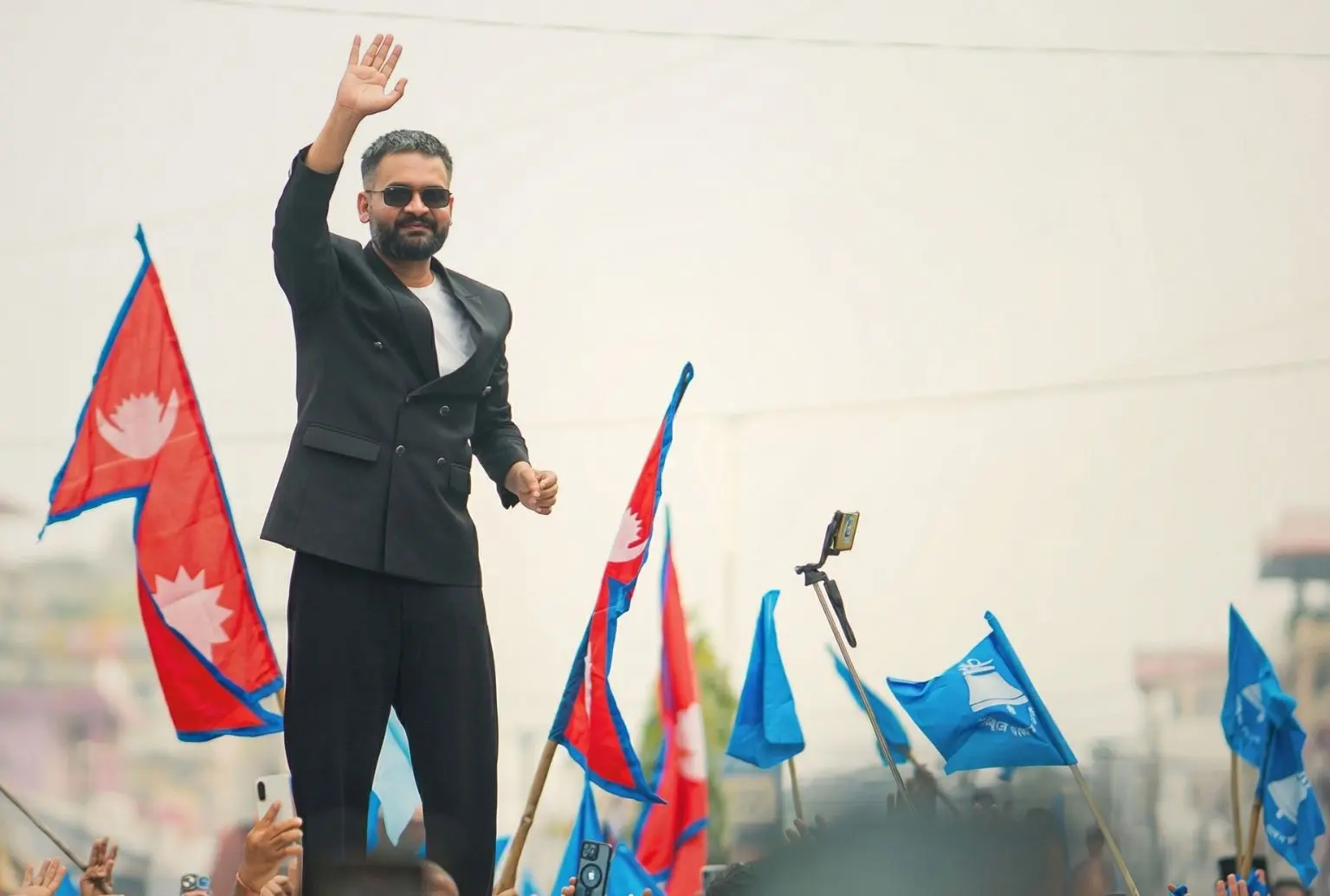
Nepal has officially entered uncharted political territory following the swearing in of Balendra Shah as the new head of government. According to reports from Kathmandu, the rapper turned politician, widely known as Balen, assumed his role as Prime Minister on March 27, 2026. This historic transition follows a massive youth led uprising that successfully challenged the established political order.
The Historic Mandate
The election results delivered an unprecedented mandate to the Rastriya Swatantra Party, which is barely four years old. Balendra Shah Prime Minister Nepal secured this victory by directly defeating the former Prime Minister KP Sharma Oli in his long held constituency. This sweep has effectively neutralized the traditional political guard that dominated the nation for decades.
With a virtual two thirds majority in parliament, the new administration possesses the legislative power to implement significant structural changes. Shishir Khanal, a senior leader within the Rastriya Swatantra Party, noted that the scale of the victory exceeded initial party expectations. This overwhelming support from the public now creates immense pressure for the government to deliver rapid results.
The victory reflects a deep seated frustration among the electorate regarding the previous revolving door of leadership. For eighteen years, Nepal saw fourteen different prime ministers take office, leading to chronic instability and sluggish growth. The public hope is that Balendra Shah Prime Minister Nepal can provide the long term stability necessary for national progress.
The Critical Background
The rise of the new government is deeply rooted in the frustrations of Generation Z activists who spearheaded the recent protests. These activists demanded a complete overhaul of the governance system and greater accountability from those in power. Their movement successfully dismantled the influence of older, established political figures who had failed to address systemic issues.
A major focus of the current political discourse is the findings of the Karki Commission. This panel was established to investigate the violence and property damage that occurred during the youth uprising that removed the previous administration. The commission submitted its final report on March 8, 2026, and the public is now calling for its full release.
Balendra Shah Prime Minister Nepal faces the difficult task of navigating the implications of this report without causing further division. Transparency regarding these findings is considered a litmus test for the new government’s commitment to justice. Any delay in implementing the commission’s recommendations could potentially reignite the street protests that brought the party to power.
Internal Political Friction
Despite the electoral success, internal challenges within the Rastriya Swatantra Party remain a point of concern for analysts. Prime Minister Shah joined the party only weeks before the election, creating a unique dynamic with the party’s founder, Rabi Lamichhane. Lamichhane is a former television presenter who currently faces serious allegations related to financial misconduct and dual citizenship.
Experts at Tribhuvan University have described the partnership between Shah and Lamichhane as a tactical alliance. While Shah provided the popular appeal needed for the election, the party structure remains under the influence of its original leadership. This dynamic may lead to future power struggles as the Prime Minister attempts to form his own independent cabinet.
The public expectation is that Balendra Shah Prime Minister Nepal will maintain his integrity by not shielding allies from legal scrutiny. His primary campaign promise was the complete dismantling of corruption at every level of the government. Failing to hold party insiders accountable could quickly erode the trust of the young activists who support him.
The Future Outlook
The first hundred days of the new administration are expected to focus heavily on wide ranging anticorruption initiatives. The government plans to establish a high level commission to investigate the wealth of officials who have served since 1990. This move addresses a core demand of the electorate for transparency regarding the accumulation of assets by the political elite.
On the international stage, Balendra Shah Prime Minister Nepal must balance his past nationalist rhetoric with pragmatic diplomacy. During his tenure as mayor, he was known for controversial stances that occasionally strained relations with neighboring India. However, Indian Prime Minister Narendra Modi has already extended congratulations, signaling a desire for cooperative bilateral relations.
The success of this administration will ultimately depend on its ability to transition from activism to effective governance. The rapper turned statesman must now prove he can manage a complex national economy and navigate delicate regional geopolitics. Whether this moment marks a permanent transformation of the republic or a temporary experiment remains to be seen by the global community.