

Background
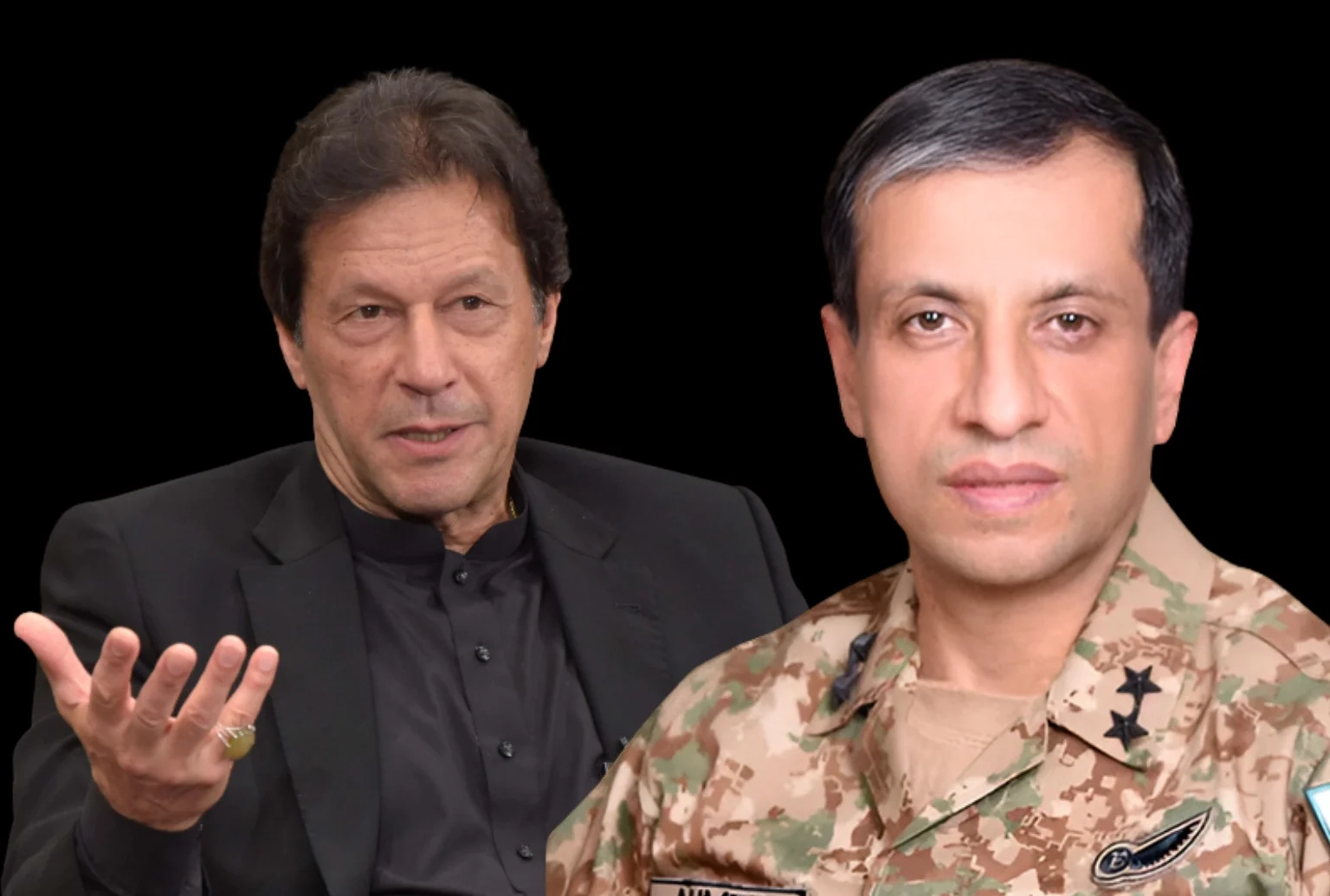
The recent press conference by DG ISPR Lt. Gen. Ahmed Sharif Chaudhry, where he criticized PTI Chairman Imran Khan and used the phrase “mental patient”, has ignited a storm across Pakistan’s political and media landscape. PTI swiftly rejected the allegations, calling the language inappropriate and politically motivated. What followed was a wave of reactions from journalists, lawyers, politicians, and commentators on X, each offering their perspective on the confrontation between Pakistan’s most powerful institution and its largest political party.
Journalists’ Reactions
Journalist Faheem Akhtar Malik remarked that DG ISPR could have chosen a different word, but anger led to repeating the same phrase Imran Khan himself had once used. He described the remarks as a “cheap copy” of Khan’s rhetoric, urging the establishment to bring something new if they want their message to resonate.
Shahid Aslam observed that the establishment’s biggest challenge is PTI’s relentless criticism. He explained that when PTI supporters in Pakistan tire and sleep, those abroad in the US, Europe, and Canada continue the cycle, keeping criticism alive 24 hours a day. He said DG ISPR’s anger reflected frustration at this constant barrage.
Journalist Saqib Bashir pointed out that Imran Khan has spent two and a half years in jail, while his wife has been imprisoned for one and a half years. He argued that if Khan is truly irrelevant, authorities should stop talking about him. He added that if, after all this time, officials still feel the need to declare his politics “finished,” then the situation is far from settled.
In another comment, Shahid Aslam stressed that while attacks on military installations cannot be condoned, neither can harsh criticism of a major political party and its leader. He warned that the ongoing fight between the army and Imran Khan is harming Pakistan, while enemies of the country are pleased.
Lawyers’ Perspective
Legal voices also weighed in on the confrontation. Faisal Hussain Chaudhry warned that if the confrontation is not resolved soon, the entire nation could lose. He appealed to political and military leaders to recognize that millions of citizens are suffering in their power struggle. He emphasized that this fight benefits no side and has become a collective loss, urging all stakeholders to strengthen the country’s foundations instead of weakening them through conflict.
Politicians’ Commentary
Political leaders from different parties offered their own interpretations. Former finance minister Asad Umar highlighted the gravity of the confrontation, noting that Pakistan’s largest political party and its strongest institution are now trading insults. He questioned whether this is the path a nuclear‑armed country should take and advised both sides to sit together to secure the future of 250 million Pakistanis, especially the youth.
Mian Javed Latif of PML‑N described the press conference as the “final nail in the coffin” of a project launched in 2011 to elevate Imran Khan. He argued that figures such as Pasha, Faiz Hameed, Qamar Bajwa, Saqib Nisar, and Asif Saeed Khosa played roles in shaping Khan’s rise, and said that every political victim now feels their sacrifices were not in vain.
Jamshed Dasti added that Imran Khan’s struggle reminds people that “it is the dreamer who changes history,” framing Khan’s persistence as symbolic of broader democratic aspirations.
Historical and Institutional Context
Some commentators placed the debate in a broader institutional frame. Journalist Mubashir Ali Zaidi cautioned politicians that today a general’s hand may be on their head, but tomorrow it may not. He added that with each new army chief, the institution changes, policies shift, and politics evolves just as President Trump does not own Biden’s policies. He described the current confrontation as part of this cycle of change.
International and Independent Commentary
Global and independent voices also joined the debate. Commentator Mario Nawfal argued that the issue is not about personalities but about an institution trying to silence a political movement. He warned that the situation is sliding toward its worst phase yet.
Public Interest and Historical Reflection
Anchors and analysts reflected on the broader impact on ordinary citizens. Syed Iqrar ul Hassan said that until ordinary people move beyond personalities and build strong democratic institutions, no solution will be possible. He reflected on Pakistan’s 78‑year history, noting that both military and political dictators have used the public in the name of patriotism and democracy. He lamented that ordinary citizens have had “zero role” in decision‑making.
The Road Ahead
The DG ISPR’s remarks and PTI’s rebuttal have ignited a nationwide debate, drawing in voices from journalism, law, politics, and civil society. Some see the confrontation as a dangerous escalation between Pakistan’s strongest institution and its largest political party, while others call for dialogue and reform. Across the spectrum, one theme stands out: the ongoing conflict is damaging Pakistan, and unless resolved, it risks deepening instability at a time when unity is most needed.