

Washington’s Acknowledgment
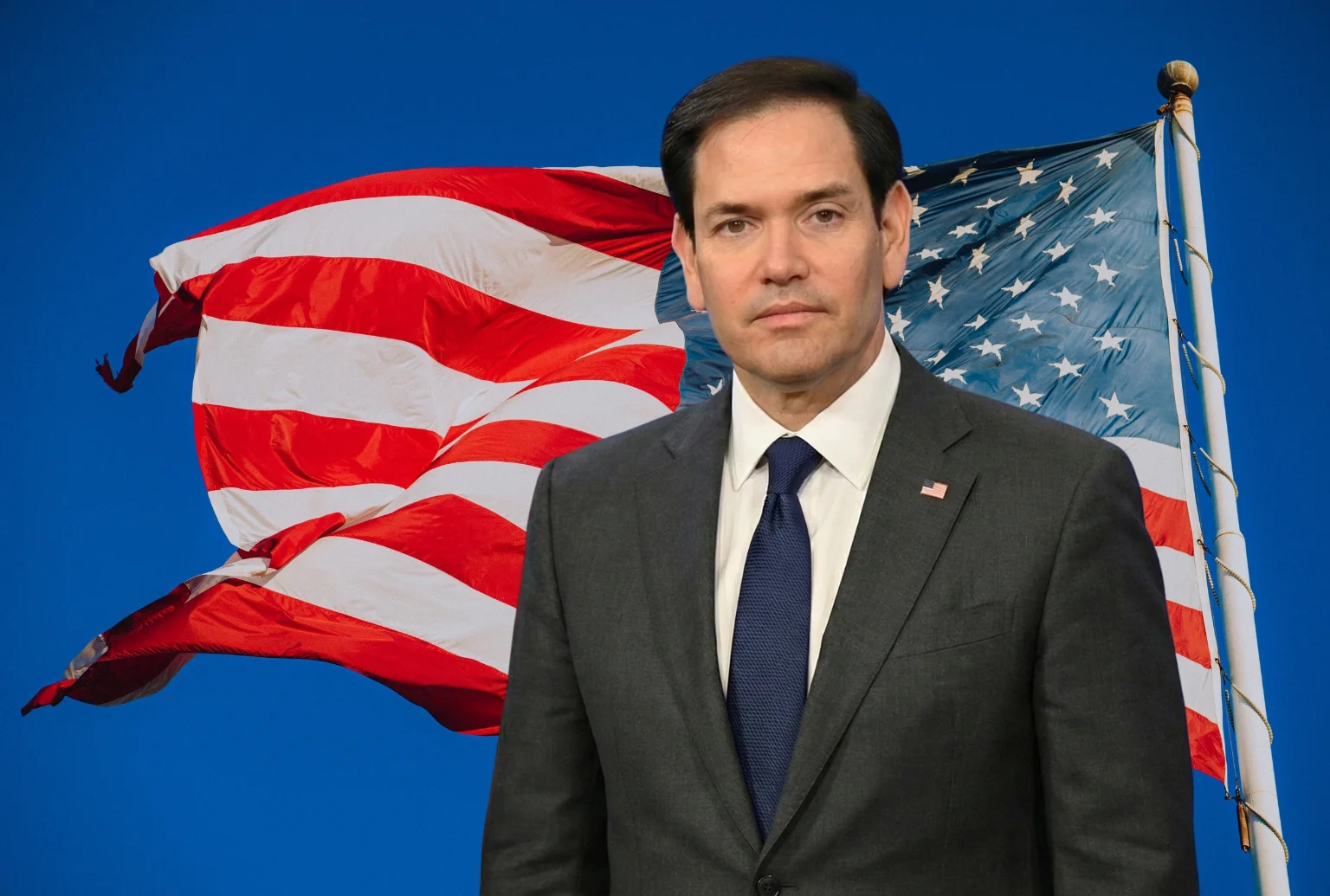
US Secretary of State Marco Rubio has expressed gratitude to Pakistan and several other countries for raising questions and showing willingness to consider contributing troops to a proposed Gaza Stabilization Force. Speaking at a press conference in Washington, Rubio said the United States appreciates Pakistan’s openness to becoming part of the initiative, or at least seriously examining the proposal.
He clarified, however, that no country has yet given a final commitment to deploy forces. “We are thankful to Pakistan for its offer to consider participation. At this stage, many nations still want answers to key questions before making a decision,” Rubio noted.
Pakistan’s Position
Rubio described Pakistan as a “significant country” whose involvement would carry weight if it agrees to join. Yet Islamabad has not formally confirmed any troop contribution. On Thursday, Foreign Office spokesperson Tahir Andarabi stated that Pakistan has not made a final decision.
Last month, Pakistan’s Foreign Minister Ishaq Dar said the country was prepared to send troops to the proposed International Stabilization Force (ISF) for Gaza, but stressed that Pakistan would not participate in any mission aimed at disarming Hamas. Dar emphasized that such a plan must have UN Security Council approval and that disarmament is the responsibility of Palestinian law enforcement agencies, not foreign forces.
Ongoing Discussions
Rubio explained that the force’s mandate, command structure, and funding mechanisms are still under debate. He added that the next step would be the creation of a Board of Peace and a Palestinian technocrat group to oversee daily governance.
“Once these matters are settled, we can strengthen the Stabilization Force, including how it will be financed, what rules of engagement will apply, and what role it will play in non‑military affairs,” Rubio said.
Regional and International Context
International media reports highlight that the Gaza Stabilization Force is being discussed as part of broader efforts to restore order after months of conflict. Several countries have been approached, but many remain cautious, seeking clarity on the mission’s scope and legitimacy.
Observers note that Pakistan’s stance reflects both its traditional support for Palestinian rights and its insistence on multilateral legitimacy through the UN. Other nations, including Arab states, have also signaled interest but are wary of being drawn into direct confrontation with Hamas.
The Road Ahead
The proposal for a Gaza Stabilization Force remains at a formative stage. While Washington is optimistic that multiple countries will eventually contribute, the absence of firm commitments underscores the complexity of building a coalition acceptable to all parties.
For Pakistan, the decision will hinge on international consensus, UN authorization, and assurances that its role would be limited to peacekeeping and humanitarian stabilization rather than direct involvement in disarmament.