

 Conceptual Image
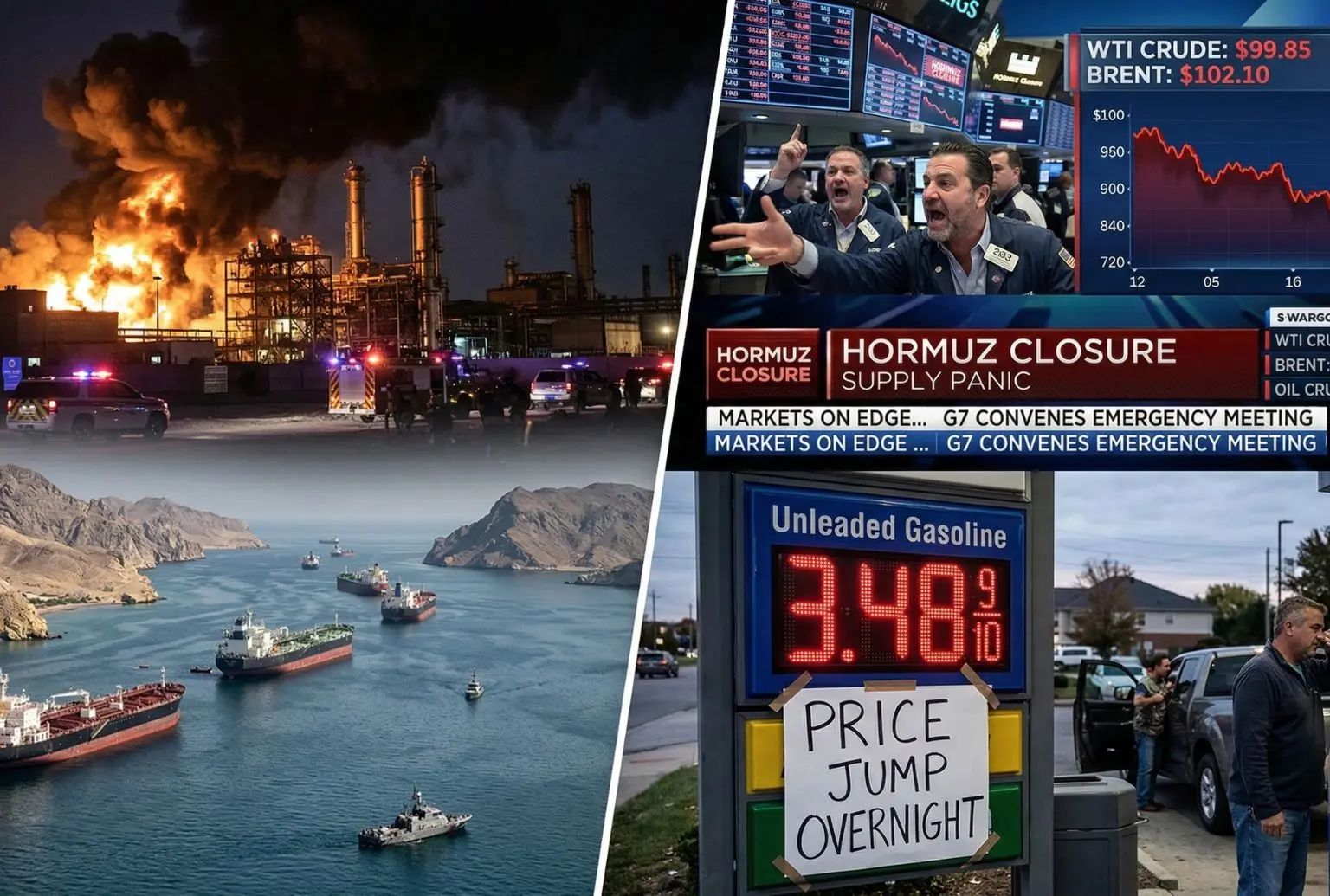
The global energy landscape has been plunged into a state of severe instability as global oil prices surged to approximately 100 dollars a barrel. This historic price spike mirrors the volatility seen during the early stages of the Russian invasion of Ukraine in mid 2022.
According to a report by CNN, the escalating conflict involving Iran has triggered a massive disruption that is vibrating through international markets. Financial experts are closely monitoring the situation as West Texas crude continues its upward trajectory in the wake of regional hostilities.
Strait of Hormuz Closure
The flow of crude oil through the critical Strait of Hormuz has essentially ground to a complete halt following the latest military escalations. This waterway serves as the most vital chokepoint in the global energy trade and its paralysis is causing immediate panic among traders.
Analysts have issued a stark warning that if the waterway does not reopen shortly oil could reach an unprecedented 150 dollars a barrel by the end of March. The sudden lack of transit through this region has removed a significant portion of the global supply from the market overnight.
Also Read: Oil Prices Surge as UAE and Kuwait Close Stock Markets
Before the conflict erupted US oil was trading at a relatively stable 67 dollars per barrel before spiking to an alarming 119 dollars. Although prices settled down slightly after the initial shock the market recorded one of the largest single day dollar increases in financial history.
Energy Infrastructure Attacks
Escalating the crisis further an overnight drone attack struck a residential area near key energy infrastructure in Sitra located in Bahrain. The strike resulted in injuries to 32 people and highlighted the growing physical risks to oil production and storage facilities in the Gulf.
Also Read: Why the UAE’s Security Model is Evaporating in the Recent Crisis
Visual evidence has emerged showing a major refinery belonging to the Bahrain national oil company known as Bapco engulfed in flames following the strikes. The damage to the facility has forced the company to take drastic legal and operational measures to protect its interests.
Due to these unforeseen circumstances and the physical destruction of assets Bapco has officially issued a notice of force majeure. This declaration means the company will not be able to fulfill its existing contractual oil deliveries to international buyers for the foreseeable future.
G7 Emergency Measures
In response to the rapidly deteriorating situation G7 finance ministers have convened an emergency meeting to discuss stabilizing the market. The primary strategy under consideration involves the coordinated release of oil from various strategic national reserves to offset the supply shortage.
However energy experts caution that such interventions might only provide a temporary reprieve rather than a permanent solution to the crisis. These strategic reserves are finite and a one time release leaves global stockpiles depleted with no clear mechanism for rapid replenishment.
The international community remains divided on the effectiveness of using reserves while the Strait of Hormuz remains blocked to commercial traffic. Without a secure passage for tankers the impact of reserve releases may be muffled by the ongoing logistical nightmare in the Middle East.
Potential Economic Recession
The squeeze on energy is already reaching everyday consumers with retail gas prices jumping from 2.98 dollars to 3.48 dollars a gallon in some regions. This represents the highest price level seen since August 2024 and is expected to fuel broader inflationary pressures across the global economy.
Also Read: Why a Fifty Thousand Dollar Drone Could End American Financial Dominance
Diesel prices have also experienced a dramatic surge of 24 percent reaching a three year high that threatens the viability of the trucking industry. Farmers and logistics companies are particularly vulnerable to these rising costs which are likely to be passed on to consumers through higher food prices.
Prolonged high energy prices are now raising significant fears of a potential global recession as the cost of living climbs and manufacturing becomes more expensive. Economists warn that the current trajectory of global oil prices could stifle growth and lead to a period of prolonged financial stagnation.
FAQs
Q:What is the impact of the Strait of Hormuz closure on global oil prices?
A:The closure of the Strait of Hormuz has paralyzed a critical shipping lane causing global oil prices to surge toward 100 dollars per barrel. If the blockage persists experts suggest prices could climb as high as 150 dollars by the end of March.
Q:Why did Bapco declare force majeure during the Iran conflict?
A:Bapco declared force majeure because an overnight drone attack on its refinery in Bahrain caused significant damage and fire. This legal declaration allows the company to suspend its contractual oil deliveries due to circumstances beyond its control.