
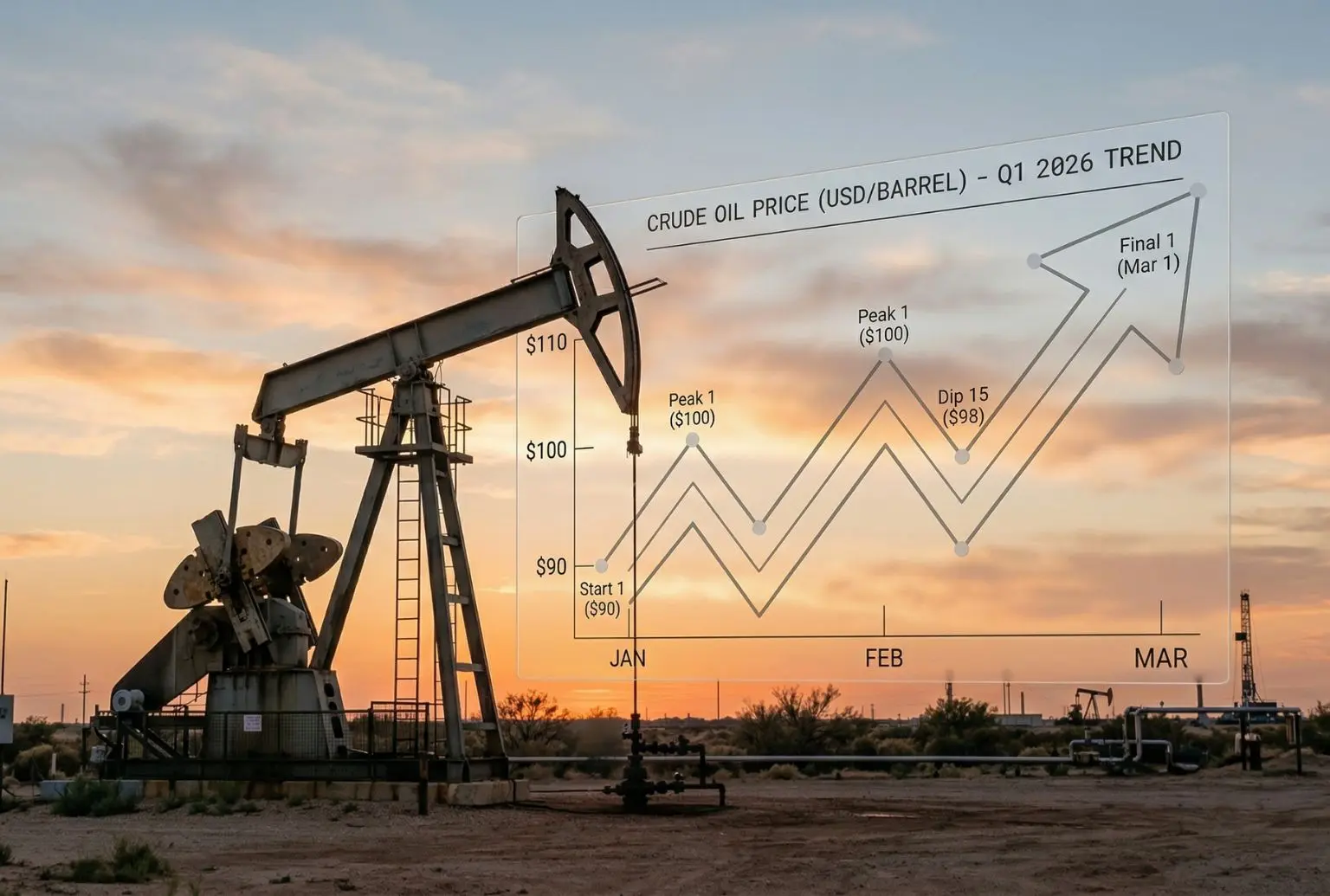
Global energy markets have entered a phase of heightened volatility following the unsuccessful conclusion of high stakes diplomatic negotiations. This breakdown in talks has triggered an immediate surge in global oil prices as investors react to the renewed threat of regional instability. The lack of a diplomatic resolution has dampened market sentiment and raised urgent questions about the future of energy security.
BBC Asia Business Reporter Suranjana Tewari noted that the cessation of these talks has significantly damaged investor confidence across the region. The immediate market reaction reflects deep seated fears that geopolitical tensions will translate into physical supply shortages. Analysts are closely monitoring the situation as the risk premium on crude oil begins to rise sharply in response to the political impasse.
Global Market Volatility
The current economic landscape is defined by a growing concern over the integrity of international supply networks and transport routes. Experts believe that persistent geopolitical friction could severely obstruct the flow of crude oil to major industrial hubs. Such a disruption would inevitably increase production costs and transportation expenses across multiple sectors of the global economy.
Trading data indicates that international prices are climbing as the search for alternative supply routes proves both difficult and expensive. If these supply interruptions become prolonged, developing nations may find it nearly impossible to meet their domestic energy requirements. This scenario poses a direct threat to industrial output and the overall balance of international trade.
The interconnected nature of modern commerce means that a spike in energy costs ripples through every level of the manufacturing process. From raw material extraction to final product delivery, every stage becomes more costly when fuel prices fluctuate upward. This trend is already forcing businesses to reconsider their operational strategies and pricing models to stay solvent.
Supply Chain Risks
Potential disruptions to navigation through the Strait of Hormuz have become a primary concern for economic strategists and logistics experts. Analysts suggest that any interference with traffic in this vital corridor could jeopardize the delivery of approximately two million barrels of oil daily. A loss of this magnitude is sufficient to send global market prices to unprecedented levels within a very short timeframe.
Recent shipping data already reveals a noticeable decline in the movement of maritime tankers through sensitive high traffic zones. Growing apprehensions regarding proposed blockades have forced insurance providers and shipping firms to adopt an extremely cautious stance. This atmosphere of uncertainty is beginning to paralyze supply chains, with the consequences becoming more evident each day.
This instability in energy markets is unlikely to remain confined to the oil sector and will likely impact gas and other fuel types. Higher energy costs will drive up the price of electricity generation, potentially plunging the global manufacturing sector into a deep crisis. Investors are increasingly seeking safety in traditional assets like gold to protect their portfolios from this volatility.
Economic Policy Impact
The recent increase in energy costs is directly fueling global inflation as transportation and food prices are intrinsically linked to fuel availability. When petrol and diesel prices rise, the cost of farming and the expense of moving goods to market become prohibitive for many. This chain reaction is placing an unsustainable burden on household budgets and reducing discretionary spending.
Major central banks worldwide had recently considered shifting away from high interest rate environments to provide economic relief to consumers. However, these plans are now being reconsidered as the threat of energy driven inflation looms over the financial horizon. If fuel prices remain elevated, banks may be forced to delay interest rate cuts to keep price growth under control.
Countries in Europe and Asia that rely heavily on energy imports are expected to bear the brunt of this economic downturn. These nations are likely to experience a slowdown in economic growth and a necessary reduction in public expenditure. Meanwhile, oil exporting countries are also expressing concern about a potential long term decline in global demand due to high prices.
Future Market Outlook
International stock markets have already started to show a negative reaction to the deteriorating diplomatic situation and rising energy costs. Shares in major financial centers are declining as investors prepare for a period of stagflation characterized by slow growth and high inflation. This shift suggests that market participants are bracing for a challenging economic environment in the coming months.
Global economic policymakers face an increasingly complex set of challenges as they navigate this period of intense geopolitical uncertainty. Without immediate improvements on the diplomatic front, the world economy could remain trapped in a cycle of volatility for years. Experts recommend that governments accelerate their investments in alternative energy sources and develop robust emergency economic contingency plans.
The coming weeks will be instrumental in determining the future direction of the global economy and the stability of energy markets. If tensions do not subside, consumers should prepare for further inflationary pressure and continued economic hardship. The international community must now collaborate to find solutions that provide stability to energy markets and restore consistent economic growth.