

 Digital
Unprecedented Market Freeze: Why Gulf Exchanges Just Went Dark
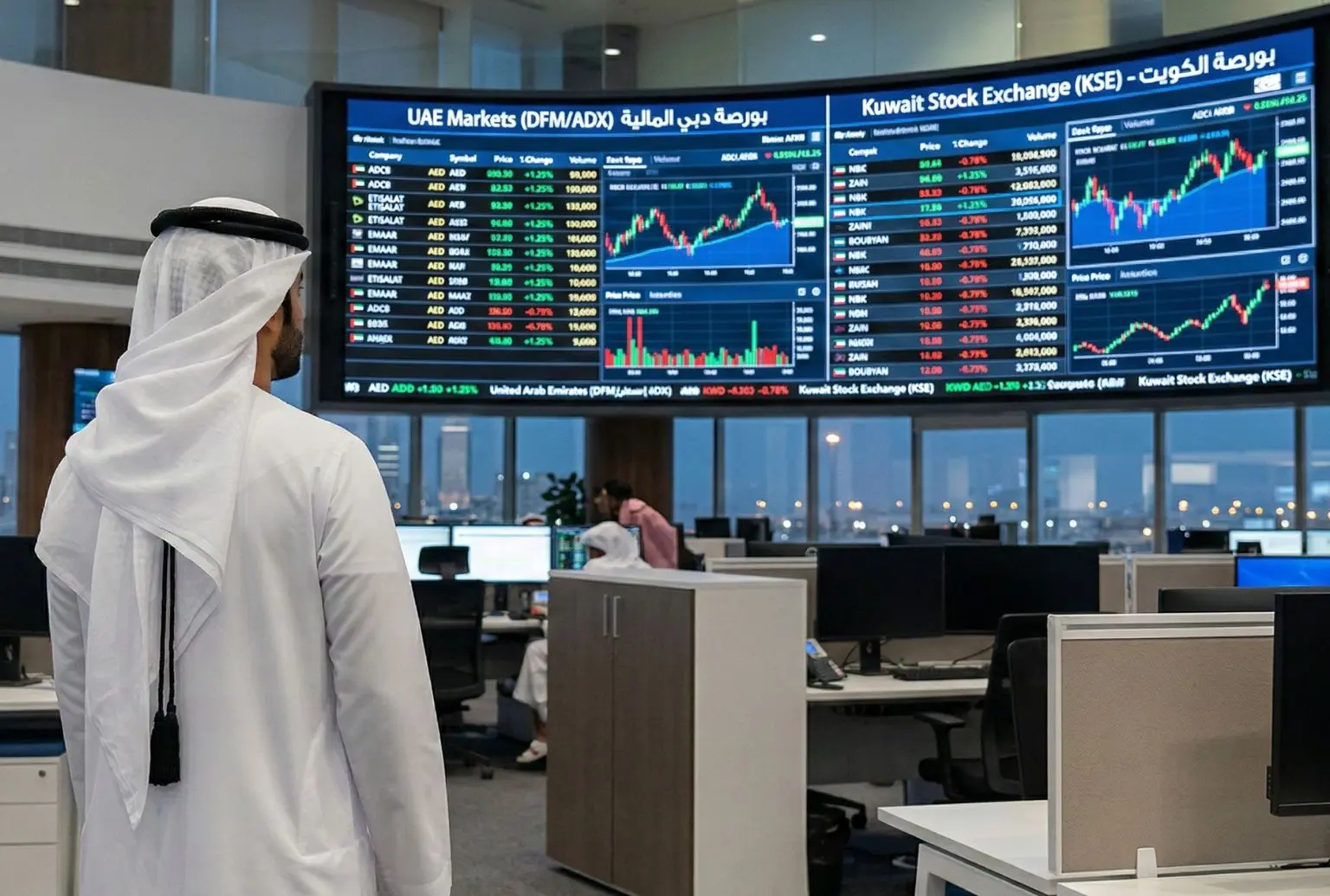
The United Arab Emirates and Kuwait have taken the extraordinary step of halting stock market operations as regional tensions reach a boiling point following Iran’s retaliatory missile and drone strikes. The sudden escalation has rattled investor confidence across the Middle East, leading to immediate closures in major financial hubs and sharp losses in markets that remained operational. This move marks one of the most significant disruptions to Gulf financial stability in recent years, as authorities scramble to mitigate the impact of physical and economic threats.
UAE Markets Shutdown Defined
According to the UAE Capital Markets Authority, both the Abu Dhabi Securities Exchange (ADX) and the Dubai Financial Market (DFM) will remain shuttered on March 2 and March 3. As reported by Profitpk, the regulator is actively monitoring the fluid situation and has signaled that further administrative actions may be taken if the security environment fails to stabilize. The closure effectively places billions of dollars in market capitalization on hold, freezing activity for some of the region’s largest corporate entities.
Billions in Value at Risk
The temporary suspension of the UAE’s primary exchanges comes at a critical time when investors are attempting to quantify the damage inflicted by strikes on key infrastructure. Reports indicate that airports, ports, and residential sectors across the Gulf have been targeted, creating a sense of urgency and fear among local and international stakeholders. With major listed firms tied directly to these infrastructure sectors, the valuation of the region’s economic engines remains in a state of precarious limbo.
Kuwait Enacts Indefinite Freeze
In a similar move, Boursa Kuwait suspended all trading activities starting March 1, citing exceptional circumstances that necessitated an immediate halt. The decision, handed down by the Capital Markets Authority’s Board of Commissioners, does not yet have a confirmed end date. The suspension reflects a broader strategy among Gulf states to prevent a total market collapse fueled by panic selling while military developments continue to unfold on the ground.
Mixed Results in Saudi Arabia
Saudi Arabia’s Tadawul index experienced a volatile session, opening with a sharp 4% decline before recovering slightly to close 2.2% lower. While major players like Al Rajhi Bank and flynas saw their share prices dip significantly, Saudi Aramco provided a stark contrast. The oil giant’s shares climbed 3.4%, marking its strongest intraday performance in months. This surge is largely attributed to the anticipation of a spike in global energy prices as supply chains face potential disruption.
Regional Indices Face Sell-Off
The contagion spread to other regional markets as well, with Egypt’s main index plunging 5.5% in early trade before settling at a 2.5% loss. Oman’s market followed a similar trajectory, trimming an initial 3% drop to finish the day 1.4% lower. Even Bahrain, though less affected, saw its index slide by 1%. These synchronized declines underscore the deep interconnections within the Middle Eastern financial landscape and the shared vulnerability to geopolitical shocks.
Geopolitical Escalation and Logistics
The market turmoil follows a series of military exchanges involving U.S., Israeli, and Iranian forces, with retaliatory strikes hitting several Gulf cities. Major transportation hubs, including Dubai’s international airport, have faced closures or significant operational hurdles due to explosions reported in the vicinity. The physical threat to logistical nodes has heightened fears that the conflict could expand beyond military targets to include vital economic assets.
Crude Oil Forecasts Revised
Market analysts are rapidly adjusting their outlooks as the risk of a prolonged conflict grows. Barclays has already revised its Brent crude price forecast upward, suggesting that oil could hit the $100 per barrel mark, a significant jump from the previous $80 estimate. This potential surge in energy costs offers a double-edged sword for the region, providing a cushion for oil exporters while threatening global inflationary pressures and trade stability.
Strait of Hormuz Under Watch
A primary concern for global observers remains the security of the Strait of Hormuz, a critical chokepoint for international energy flows. Any disruption to shipping routes in this area could have catastrophic effects on global trade and regional GDP. Investors are now pricing in a period of prolonged instability, with many shifting their portfolios toward safe-haven assets as they wait for clarity on the duration of the current hostilities.
Volatile Path Forward
As the situation develops, the focus remains on whether diplomatic channels can de-escalate the friction before further damage occurs. Analysts warn that any additional strikes on industrial or financial infrastructure could lead to even deeper volatility and a more permanent recalibration of regional market risks. For now, the Gulf financial sector remains in a defensive posture, awaiting the signal to resume normal operations.