


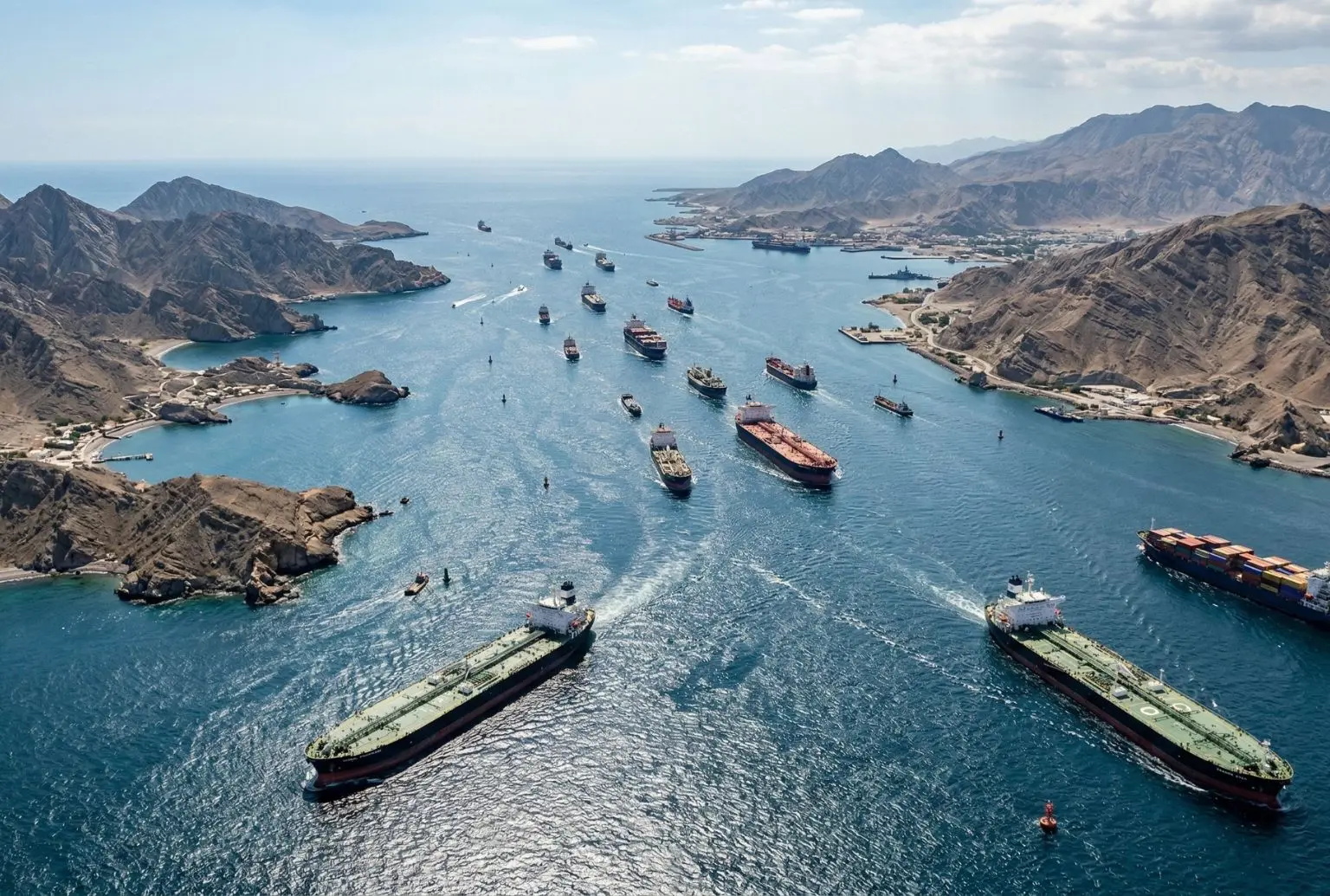
- Oil prices spiked 12 percent following the Hormuz closure.
- China imports 5 million oil barrels daily through the strait.
- Iran sends 90 percent of its oil exports to China.
Impact on Global Energy Supply
According to reports from analyst Mario Nawfal, although the move is framed as a strategic strike against Western adversaries, statistical data suggests a different reality. Approximately 84 percent of the oil transiting through the Strait of Hormuz is destined for Asian markets, primarily China, India, Japan, and South Korea. In contrast, only a meager 6 percent of the oil passing through the strait is headed for Europe and the United States, showcasing a significant imbalance in the potential economic fallout.
The Chinese Energy Dilemma
China remains the most vulnerable nation in this developing crisis, as it imports nearly 5 million barrels of oil daily through the Strait of Hormuz. For Beijing, which has served as a financial lifeline for Iran during years of international sanctions, this closure presents a severe energy security threat. The move appears to contradict the long-standing economic partnership between Tehran and its largest crude oil buyer.
Iran’s Economic Self-Harm
The strategic move is being described by analysts as a self-inflicted wound for the Iranian economy. Tehran relies on China for 90 percent of its oil exports, which must pass through the same waterway it has now obstructed. By shutting down the strait, Iran is effectively severing its own primary source of revenue, signaling a high level of desperation or a perception of being cornered by international pressure.
Western Cushioning Mechanisms
Western nations, particularly the United States, are better positioned to weather this storm than their Asian counterparts. The US has significant domestic shale production and maintains a massive Strategic Petroleum Reserve to cushion the impact of global supply disruptions. This disparity suggests that the intended geopolitical pressure on Washington may not materialize as Tehran initially calculated.
A Desperate Geopolitical Gambit
For decades, Iran has used the threat of closing the Strait of Hormuz as a diplomatic weapon, but had never previously taken the final step. The actual execution of this threat tonight indicates a fundamental shift in Tehran’s strategy. Observers are now closely watching for Beijing’s reaction, as the world’s second-largest economy did not anticipate an energy crisis triggered by its closest Middle Eastern ally.