

Background
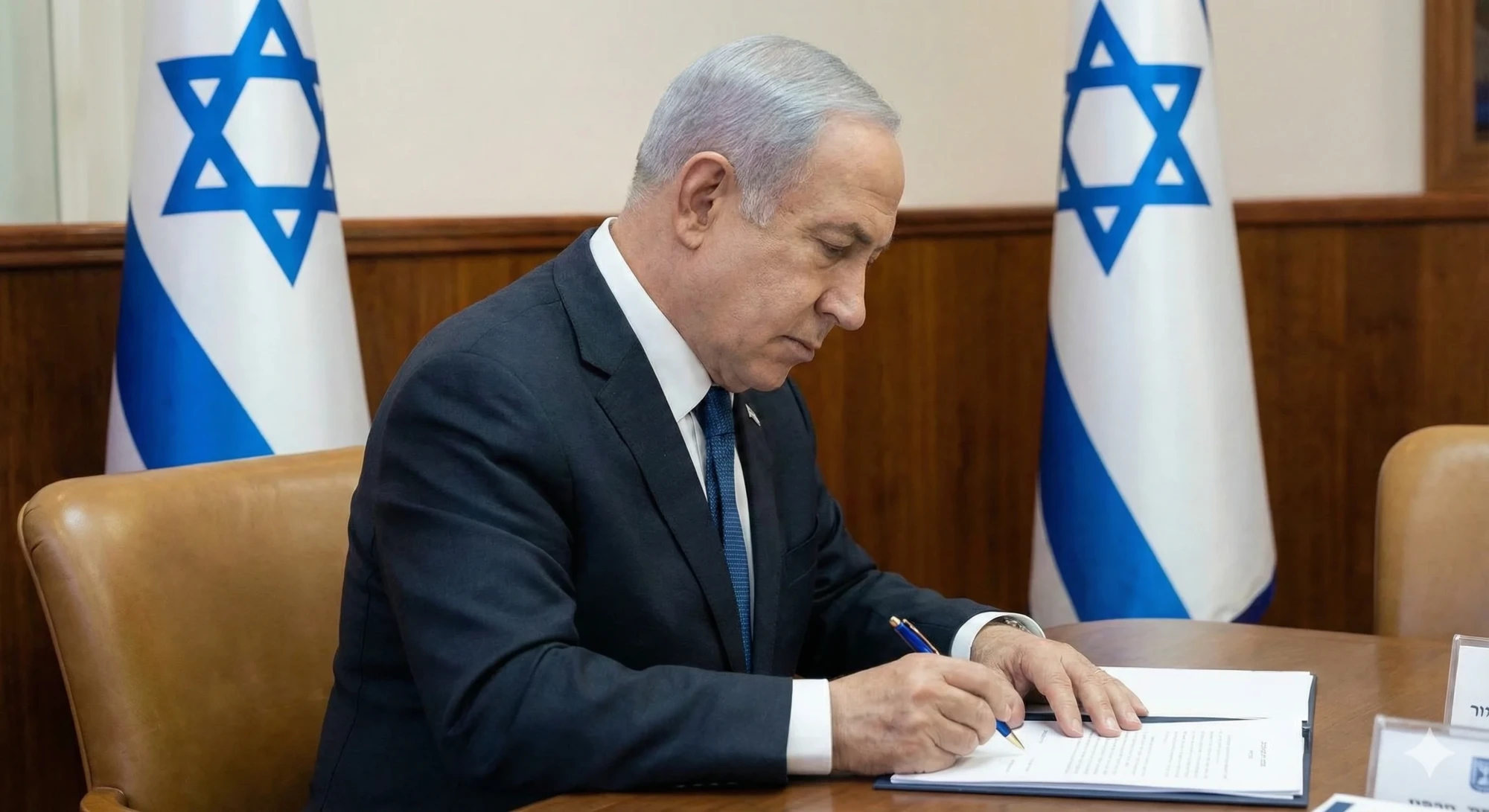
The transfer of prisoner bodies from Gaza is approaching completion, yet the ceasefire agreement brokered by the United States remains stalled. Israel’s right‑wing government, led by Prime Minister Benjamin Netanyahu, has been accused of evading obligations under the deal.
Rising Tensions
Instead of moving toward the second phase of the agreement, Tel Aviv has periodically threatened to resume military operations. Israeli officials cite Hamas as justification, claiming violations of the ceasefire, according to international media reports.
Rafah Crossing Dispute
Israel recently announced that the Rafah crossing would open only for Gazans traveling into Egypt. Egyptian authorities quickly denied this, stating that any opening must allow traffic in both directions. Analysts say this reflects Israel’s strategy of shifting responsibility and avoiding full compliance.
US Pressure
Washington is intensifying pressure on Netanyahu ahead of his upcoming visit to the United States. Sources suggest the US government is preparing a security committee and peace council, to be overseen directly by President Donald Trump, aimed at advancing reconstruction and the second phase of the ceasefire.
Internal Politics
In Israel, opposition leader Yair Lapid introduced a motion supporting the 20‑point US plan. The motion passed unanimously in parliament, though government allies withheld support highlighting internal divisions and growing pressure on Netanyahu.
Hamas Position
Hamas has reiterated that Israel must fully implement the ceasefire, stressing that the Rafah crossing must open from both sides. The group warned against unilateral actions that undermine the agreement.
Outlook
With each party pursuing its own objectives, the fate of the ceasefire hinges on international willpower. Whether the agreement succeeds or collapses will depend on how seriously global actors enforce commitments in Gaza.