

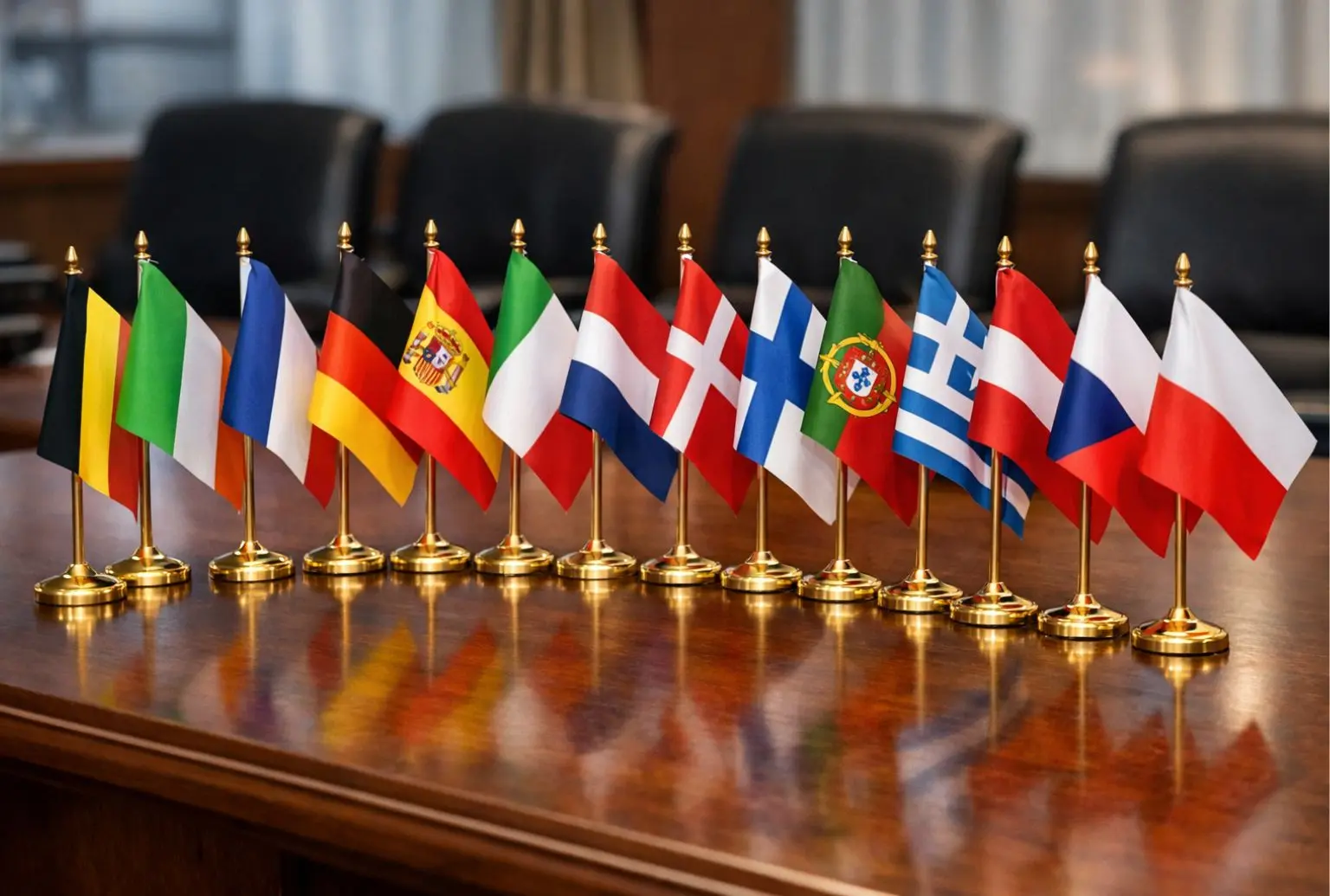
 Ai Generated
How the Lebanon Conflict is Impacting Global Regional Security
Fifteen European foreign ministers have expressed deep alarm regarding the deteriorating situation in Lebanon as military activities between Hezbollah and Israeli forces continue to intensify. In a joint statement released recently, the diplomatic representatives categorized the current humanitarian consequences as appalling while calling for an immediate cessation of hostilities across the border regions.
According to Al Jazeera, the collective group includes ministers from Belgium, Ireland, Spain, and Italy, who have united to voice their concerns over the civilian toll. The diplomats emphasized that the scale of the crisis has reached a critical tipping point for the entire Mediterranean region and demands urgent international attention.
Lebanon Conflict Escalation
The ministers pointed out that the intensity of the conflict has led to a catastrophic impact on the civilian population. They noted that approximately 1.2 million individuals have been internally displaced, which represents nearly 25 percent of the total population of Lebanon.
The Health Ministry of Lebanon has reported that more than 1000 people have been killed since the recent escalation began. This figure includes a high number of civilians, with children, aid workers, and journalists identified among the victims of the ongoing violence.
European officials have specifically criticized the decision by Hezbollah to initiate attacks against Israel in support of Iran. They have demanded that the group immediately cease all hostile actions and begin the process of disarmament as required by existing international agreements.
Humanitarian Crisis Context
The humanitarian situation is described as dire, with infrastructure damage and limited access to essential services for the displaced millions. International aid organizations are struggling to keep up with the pace of the displacement as thousands of families flee their homes daily.
The joint statement from the European ministers serves as a call to action for the international community to provide greater support. They stressed that the safety of noncombatants must be prioritized regardless of the military objectives of the involved parties.
Reports suggest that the targeting of aid workers and journalists has created a significant vacuum in information and relief efforts. This has exacerbated the fears of the local population who find themselves caught in the middle of a expanding regional conflict.
European Ministers Reaction
The diplomatic response from the European Union member states reflects a broader shift in the geopolitical landscape of the Middle East. By calling for the disarmament of Hezbollah, the ministers are aligning themselves with relevant UN Security Council resolutions that aim for long term peace.
The US Israel war on Iran has significantly influenced the current state of affairs in Lebanon. The conflict reportedly spread to Lebanese territory after Hezbollah launched rocket attacks at Israel following the assassination of Iran Supreme Leader Ayatollah Ali Khamenei on February 28.
Historical data indicates that Hezbollah had maintained a level of restraint following a ceasefire agreement that came into effect in November 2024. Despite numerous reported breaches of that agreement by other parties, the group had not initiated major attacks until the events of early 2025.
Regional Future Outlook
The future stability of Lebanon remains uncertain as diplomatic efforts continue behind the scenes to prevent a wider regional war. European nations are likely to increase their role in mediation as the humanitarian costs continue to mount and affect global security.
Discussions regarding the implementation of UN Security Council Resolution 1701 have been revitalized following the joint statement. This resolution calls for the full cessation of hostilities and the deployment of Lebanese forces and UNIFIL personnel in the southern regions of the country.
Observers suggest that the coming weeks will be critical for determining whether a diplomatic solution can be reached. The involvement of fifteen high level European ministers indicates that the international community is no longer willing to overlook the rising casualties and displacement in the region.