

 PTV
PTV
A Decisive Shift at the Border
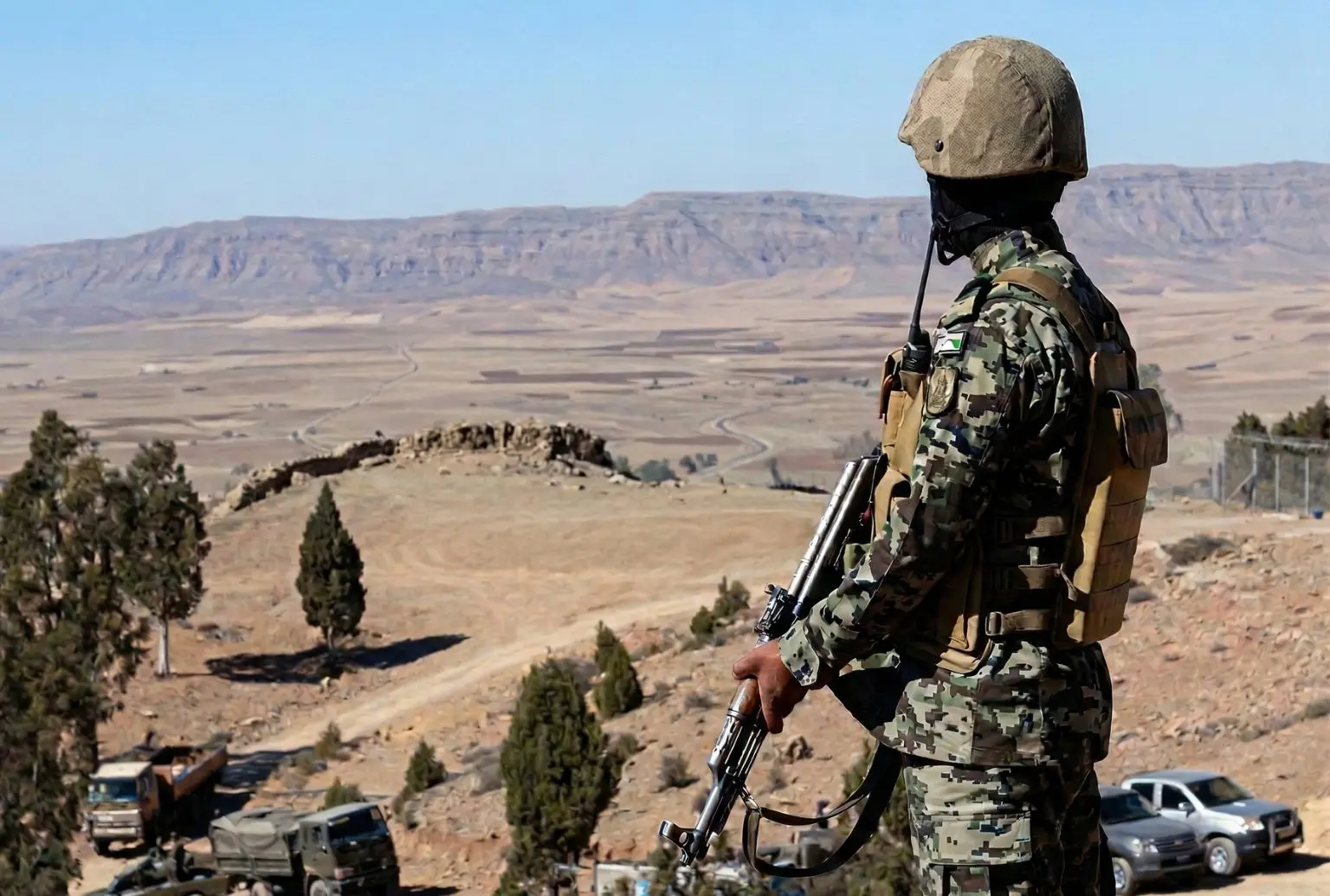
Operation Ghazab-ul-Haq represents a significant escalation in the regional security posture as Pakistan responds to cross border aggression. Information Minister Attaullah Tarar recently unveiled comprehensive data detailing the outcomes of this military initiative up to the afternoon of March 4. According to his briefing, the operation has resulted in substantial losses for the Afghan Taliban regime operatives who have been engaged in activities against Pakistani interests. The state remains committed to dismantling any infrastructure that facilitates instability within its borders.
Official Data Released
The latest figures provided by the Information Minister indicate a heavy human toll on the opposition forces. Attaullah Tarar reported that 481 Afghan Taliban operatives have been killed while approximately 696 others sustained various injuries during the kinetic phase of Operation Ghazab-ul-Haq. These statistics reflect the intensity of the engagement and the precision of the tactical responses employed by the armed forces. The minister emphasized that these actions are a direct consequence of persistent provocations and the need to protect civilian lives from external threats.
Heavy Hardware Losses
Beyond human casualties, the structural and logistical capabilities of the Afghan Taliban have been severely degraded. Official reports confirm that 226 Afghan check posts have been completely destroyed, with another 35 falling under the control of Pakistani forces. The financial and operational blow is further underscored by the destruction of 198 pieces of heavy machinery, including tanks, armored vehicles, and various artillery guns. This systemic dismantling of military assets is intended to neutralize the offensive capabilities of those attempting to breach the border or support insurgent activities.
Strategic Air Strikes
The effectiveness of the response has been bolstered by significant aerial operations across the border. Minister Tarar noted that 56 different locations across Afghanistan were targeted in precise air strikes. These missions were designed to eliminate high value targets and command centers without causing unnecessary collateral damage. The focus remains on disrupting the coordination of groups that use Afghan soil to launch attacks. Security sources indicate that the night of March 3 and 4 saw some of the most intense activity, with heavy weaponry utilized to clear strategic sectors.
Secure Border Sectors
Military operations have been particularly focused on critical areas such as Chaman, Qila Saifullah, Sambaza, Ghadwana, Jani, and the Ghaznali sector. These regions have historically been exploited for cross border movements by Fitna al-Khawaraj and Fitna al-Hindustan. By targeting these hideouts, the Pakistan Army aims to seal the porous border and eliminate the sanctuaries used by terrorists. Security sources have confirmed that the operations resulted in heavy losses for both the Afghan Taliban and allied extremist groups in these specific geographical pockets.
Persistent Defense Goals
The state has reiterated its stance that the sovereignty of Pakistan is non negotiable. The ongoing military actions are part of a broader strategy to ensure that citizens are protected from foreign interference and internal disruption. Information Minister Attaullah Tarar concluded his briefing by stating that the operations will continue until all defined objectives are achieved. The commitment to maintaining regional peace through strength and decisive action remains the cornerstone of the current security policy. As the situation evolves, the focus remains on long term stability and the total elimination of terrorist networks.