


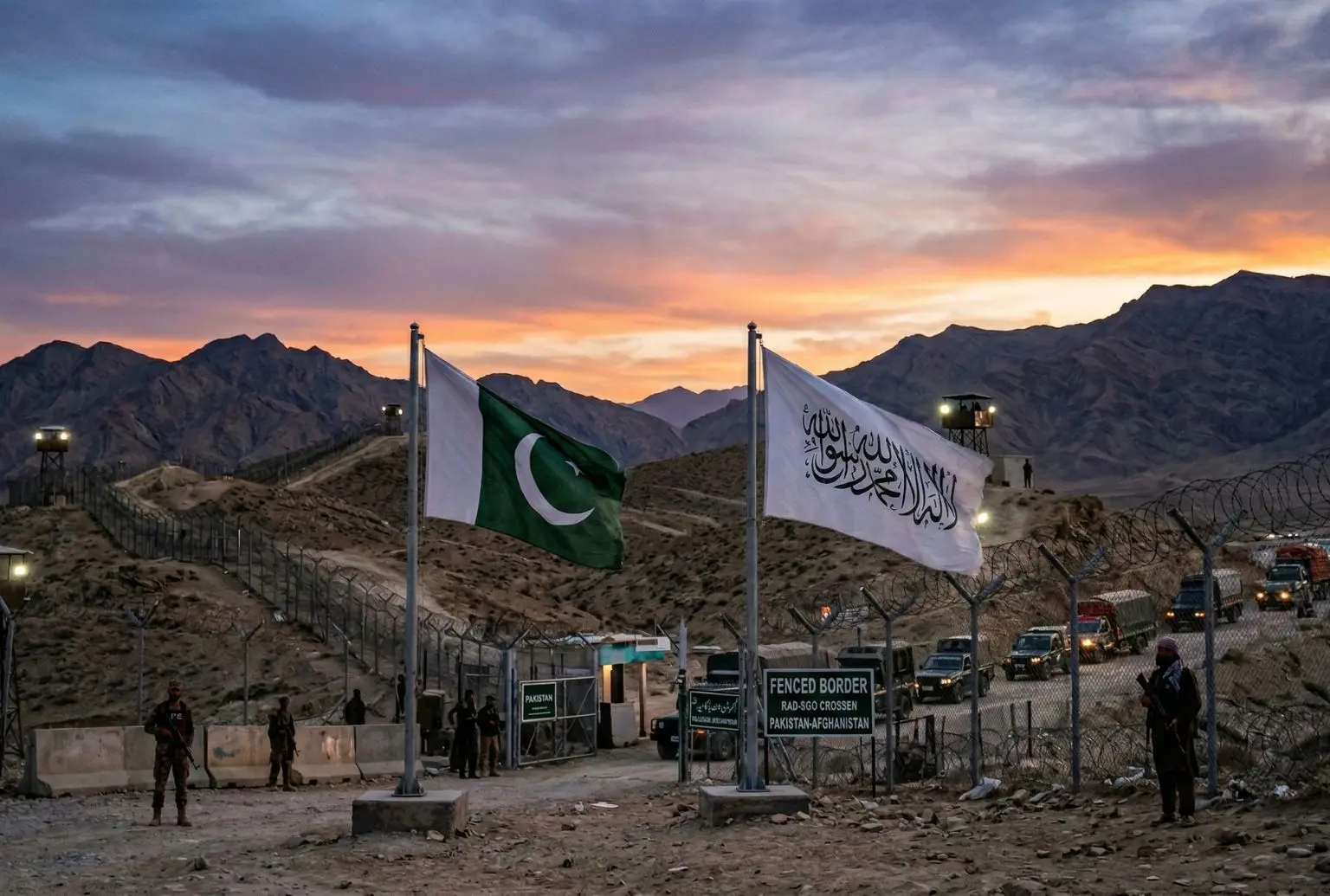
- Pakistan launched airstrikes on seven terrorist hideouts in February.
- Afghan Taliban retaliated by attacking Pakistani border security posts.
- Heavy weaponry and drones caused casualties on both sides.
Casualties and Deployment of Heavy Weaponry
The intensity of the conflict has escalated far beyond traditional border skirmishes, involving the deployment of heavy weaponry, air forces, and surveillance drones. These operations have resulted in hundreds of casualties on both sides, marking one of the deadliest periods in recent bilateral history. The use of advanced technology and aerial assets highlights a shift in military strategy as both nations reinforce their positions along the volatile frontier.
Significant Shift in Pakistan Foreign Policy
Pakistan’s strategic stance towards its western neighbor has undergone a profound transformation following operations that commenced in October 2025. Based on analysis from the Habib Akram Vlog on Youtube, the western neighbor is now being treated with a level of hostility traditionally reserved for the eastern neighbor, India. This policy shift reflects growing frustration within Islamabad regarding security concerns and cross-border movements, signaling a departure from previous attempts at diplomatic normalization.
International Mediation and Diplomatic Appeals
While previous clashes in late 2025 were successfully mitigated through the intervention of Qatar and Turkey, current diplomatic efforts appear to be moving at a significantly slower pace. The international community has expressed mounting concern, with China officially calling for an immediate ceasefire. Additionally, leaders from Saudi Arabia and Malaysia have initiated diplomatic discussions aimed at halting hostilities during the holy month of Ramadan to prevent further humanitarian distress.
Economic Consequences and Infrastructure Projects
The ongoing warfare has severely disrupted long-standing economic ambitions to connect the ports of Karachi and Gwadar to Central Asian markets. These initiatives, which trace back to the mid-1990s and include the Khyber Pass Economic Corridor project of 2019, are now at risk of total collapse. The instability threatens to undo decades of planning intended to transform Pakistan into a regional transit hub, leaving critical infrastructure projects in a state of uncertainty.
Border Restrictions and Trade Impacts
The 2,640 km border, which remained largely porous and open for over a century, has faced increasingly stringent restrictions since 2010. By 2022, the implementation of strict visa requirements and frequent border closures had already strained the Afghan economy. The current conflict has exacerbated these issues, forcing Afghanistan to look for alternative trade routes and further isolating the regional economy from established Pakistani transit networks.
Geopolitical Concerns and Public Sentiment
Pakistan now faces the daunting prospect of a two-front security challenge, having recently engaged in a brief aerial conflict with India in May 2025. The recent diplomatic interactions between India and the Afghan Foreign Minister have heightened suspicions in Islamabad that external actors may be utilizing Afghan soil to destabilize the region. Domestic support for a conflict with Afghanistan remains limited, particularly among the Pashtun populations living on both sides of the border who are most affected by the violence. Political figures like Aimal Wali Khan of the ANP have called for an immediate political resolution to ensure the stability of the Central Asian economy.