

- UN Secretary General monitors rising border violence closely.
- Iran urges dialogue based on good neighborly principles.
- Russia demands immediate halt to cross-border military attacks.
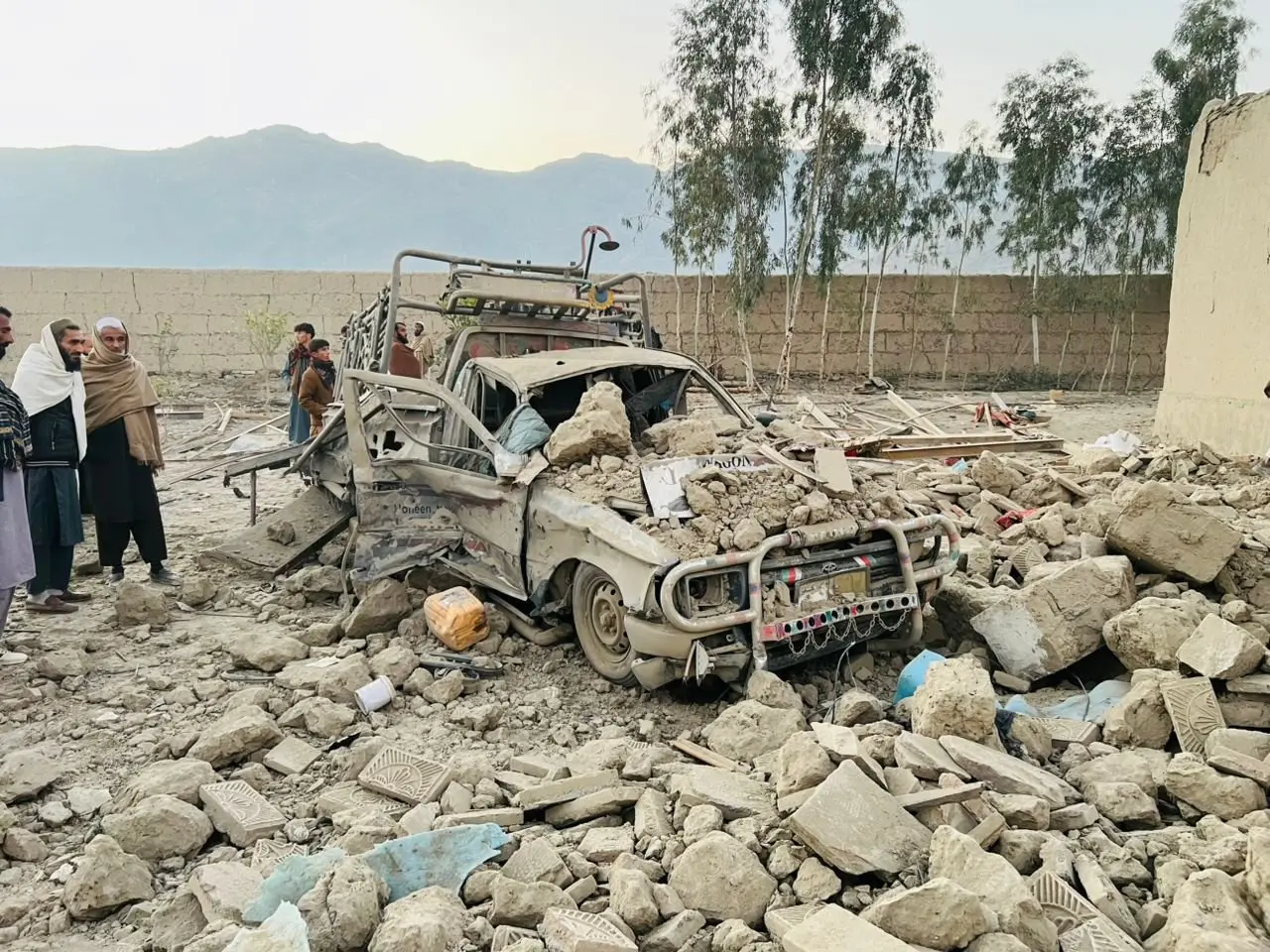
The United Nations has taken a proactive stance as tensions escalate between Pakistan and Afghanistan. Secretary-General Antonio Guterres is reportedly monitoring the situation with high vigilance, expressing deep-seated concern regarding the recent surge in violence along the border. The UN leadership emphasized that any escalation could have far-reaching consequences for regional stability and urged both nations to prioritize the safety of civilians in the affected areas.
Russian Diplomatic Push
According to the news desk, the Russian Federation has officially entered the discourse, urging both warring parties to immediately halt cross-border attacks. Moscow has called for a cessation of hostilities to prevent further loss of life and destabilization of the Central Asian periphery. The Russian Ministry of Foreign Affairs stressed that differences should be resolved exclusively through diplomatic means rather than military engagement, offering a stern reminder of the volatile nature of the current border dynamics.
Iran Calls for Dialogue
Iranian Foreign Minister Abbas Araghchi has also voiced his country’s stance on the brewing conflict, urging Pakistan and Afghanistan to return to the negotiating table. Araghchi highlighted the importance of adhering to good neighborly principles, suggesting that regional cooperation is the only sustainable path forward. Iran remains concerned that continued fighting could invite external actors into the region, further complicating the geopolitical landscape for all neighboring states.
Urgency for De-escalation
The collective call from the international community underscores the gravity of the military friction currently observed between Islamabad and Kabul. Global observers note that the transition from localized skirmishes to broader cross-border exchanges necessitates an immediate diplomatic intervention. The involvement of major world powers like Russia and regional giants like Iran suggests that the international community is unified in its desire to see a swift de-escalation of the conflict.
Regional Security Risks
Beyond the immediate border zones, the fighting poses a significant threat to transit trade and ongoing counter-terrorism efforts in the region. Analysts argue that prolonged instability will only empower non-state actors who thrive in vacuum-like security conditions. The UN chief’s monitoring of the situation indicates that the world body may consider more formal measures if the violence does not subside in the coming days.
Future of Bilateral Ties
As world leaders wait for a formal response from both capitals, the focus remains on whether diplomatic channels can be restored effectively. The principles of good neighborly relations, as advocated by Iran, serve as a foundational requirement for any lasting peace. The international community continues to pressure both sides to demonstrate restraint and uphold international law regarding territorial integrity and border sanctity.