

Islamabad:
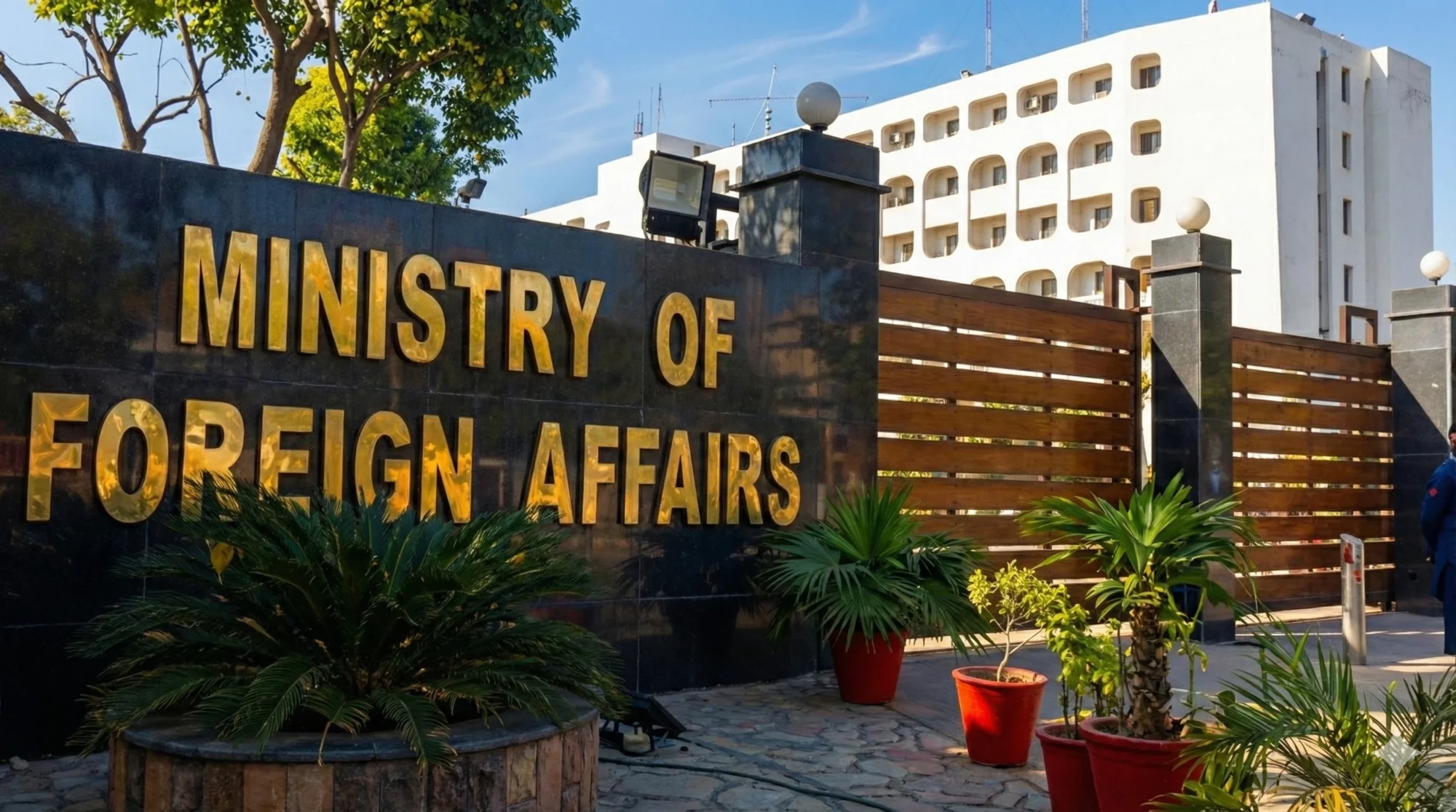
Pakistan’s Foreign Office has strongly dismissed remarks made by United Nations High Commissioner for Human Rights Volker Türk, who earlier warned that the country’s latest constitutional reforms undermine judicial independence and weaken accountability of the military.
UN Concerns Over Judicial Independence
On 13 November, Pakistan’s parliament approved the 27th constitutional amendment with a two‑third majority. The changes transferred constitutional jurisdiction from the Supreme Court to a newly created Federal Constitutional Court (FCC), while the Supreme Court will now only hear civil and criminal cases. Critics argue this restructuring reduces judicial autonomy, especially since the FCC’s judges were appointed by the president in consultation with the prime minister.
Türk cautioned that the reforms could invite political interference in judicial matters. He also criticized immunity clauses that grant lifetime protection from criminal proceedings to the president and top military officials, saying such provisions erode democratic oversight.
Pakistan’s Foreign Office Response
In a statement issued Saturday, the Foreign Office said Pakistan “notes with deep concern the ungrounded and misplaced apprehensions” expressed by the UN rights chief. It stressed that constitutional amendments are the exclusive domain of elected representatives and were passed following due procedures enshrined in Pakistan’s Constitution.
The statement added that Pakistan remains “fully committed to protecting, promoting and upholding human rights, human dignity, basic freedoms and the rule of law.” It regretted that Pakistan’s position and ground realities were not reflected in the UN statement, urging the High Commissioner to respect the sovereign decisions of parliament and avoid commentary “that reflects political bias and misinformation.”
Broader Debate
The exchange highlights a growing debate over the balance between sovereignty and international human rights oversight. While the UN warns of “far‑reaching consequences” for democracy and equal protection under the law, Pakistan insists its reforms are consistent with democratic practice and constitutional procedure.