
 Youtube/News 24
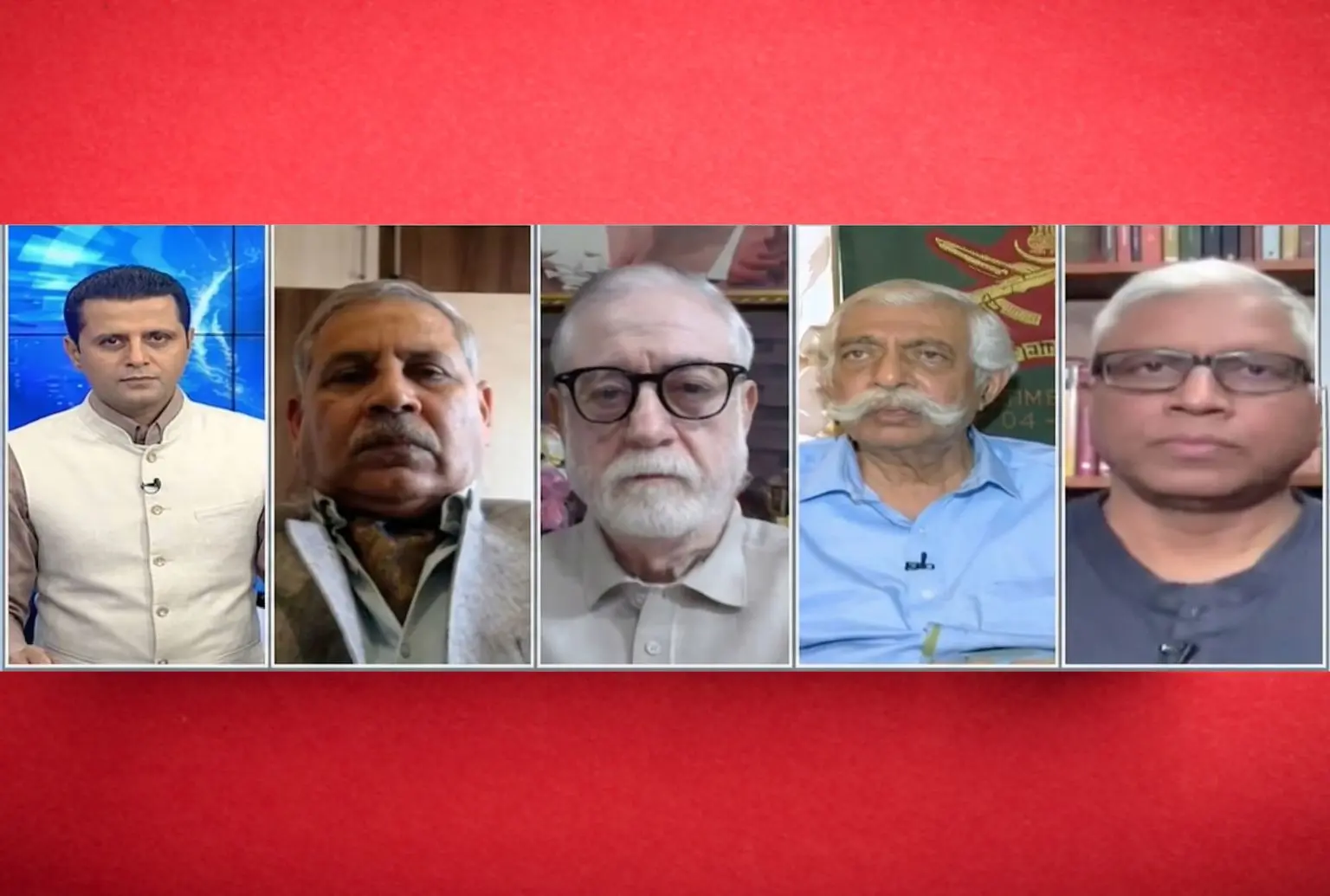
In a recent broadcast of the news program Rashtra Ki Baat on News 24, host Manak Gupta detailed Pakistan’s emerging potential as a diplomatic mediator in the complex US–Israel–Iran conflict. The discussion focused on reports suggesting that Islamabad could host high level negotiations between American officials and Iranian representatives to de-escalate regional hostilities.
Mediation Reports Surface
According to reports cited during the News 24 broadcast from the Financial Times and Dawn, there is growing speculation regarding a high level diplomatic meeting in Islamabad. This potential summit reportedly involves US Vice President JD Vance and Jared Kushner alongside senior Iranian officials to discuss a sustainable ceasefire in the region.
Host Manak Gupta noted that Donald Trump has already announced a partial ceasefire although military strikes continued overnight across various fronts. The unique geographic position of Pakistan was highlighted as a primary reason for its selection as a neutral ground for these critical international discussions.
Pakistan shares a direct border with Iran and maintains significant diplomatic ties with various Gulf nations while currently hosting no United States military bases. These factors reportedly make Islamabad an attractive venue for both Washington and Tehran to engage in sensitive backchannel communications without immediate external pressure.
Diplomatic Shift Noted
Retired Major General GD Bakshi expressed significant skepticism regarding the proposed mediation during the televised debate. He claimed that the United States might be using Pakistan’s involvement to effectively blindside Iran during a period of high military tension.
GD Bakshi argued that such diplomatic maneuvers often serve as a tactical distraction rather than a genuine pursuit of long term peace in the Middle East. His perspective reflected a deep seated distrust of the underlying motives driving the current American administration’s sudden interest in Pakistani facilitation.
In contrast, senior journalist Ashutosh suggested that if Pakistan successfully facilitates a peace agreement, it would represent a massive diplomatic victory for the country. He noted that the United States is currently struggling with failing regional strategies and a burgeoning global energy crisis that necessitates a swift resolution.
Indian Perspectives Shared
Colonel Dinesh Nain acknowledged that while he maintains a level of distrust toward Iran, the US might be utilizing a diplomatic pause to regroup its forces. He conceded that Pakistan’s mediation efforts are actively shaping the current sequence of events regardless of the ultimate strategic intent.
Major General Arvind Bhatia questioned the overall credibility of Pakistan as a global mediator citing its ongoing internal political and economic turmoil. He suggested that a nation facing such domestic challenges might find it difficult to sustain the role of a reliable international peacemaker for long.
Adding another layer to the discussion, Achal Malhotra proposed that the United States and Israel might be engaged in a good cop, bad cop routine to pressure Tehran. This strategy would utilize Pakistan as the moderate channel through which terms of de-escalation are presented to the Iranian leadership.
Regional Stability Outlook
Economist Vijay Sardana emphasized the severe economic fallout that could occur if the conflict escalates further without successful mediation. He warned that India’s heavy reliance on oil imports makes the nation particularly vulnerable to price spikes caused by Middle Eastern instability.
Sardana pointed out that while India remains wary, any successful mediation by Pakistan that stabilizes global energy markets would technically benefit the entire South Asian region. This realization added a layer of pragmatic concern to the debate as analysts weighed national security against economic necessity.
The discussion concluded by noting that Indian policymakers and analysts are closely monitoring these developments with visible unease. The repeated focus on Islamabad’s potential role underscores a recognition of Pakistan’s growing diplomatic leverage during this period of intense global volatility.