
 AI Gen
In a recent vlog, renowned political analyst Dr. Moeed Pirzada addressed the intensifying conflict between Israel and Iran, highlighting significant risks for South Asia. He specifically cautioned Pakistan’s leadership against succumbing to external pressures to join the regional war. Pirzada suggested that the country should instead prioritize strategic neutrality and active diplomatic mediation efforts.
Middle East War
The current hostilities in the Middle East represent a targeted campaign by Israel against the Islamic Republic of Iran. According to Dr. Pirzada’s analysis, the ultimate objective of these operations is the establishment of a Greater Israel in the region. This expansionist agenda poses a long term threat to the sovereign interests of various Muslim nations across the globe.
Also Read: General Asim Munir and Prince Khalid Meet for Defense Talks
Dr. Pirzada noted that the conflict is no longer a localized issue but has transformed into a existential struggle for several states. He emphasized that the ideological drivers behind Israeli military strategy are aimed at redrawing the map of the region. This development necessitates a careful and calculated response from neutral powers like Pakistan.
The resilience of the Iranian state was another focal point of the recent vlog analysis. Millions of citizens have reportedly taken to the streets to support the transition of power to Mojtaba Khamenei. This public display of unity suggests that despite heavy airstrikes, the internal stability of the Iranian regime remains largely intact.
Greater Israel Vision
The background of this conflict is deeply rooted in the geopolitical ambitions of regional and global powers. Dr. Pirzada highlighted that the United States’ stance has been notably inconsistent due to domestic economic variables. Initially, President Donald Trump signaled a desire to exit the conflict to protect the US economy from rising oil prices.
However, significant pressure from Republican lawmakers and Israeli lobbyists led to a rapid reversal of this policy. Consequently, the US administration has returned to a hardline stance against Tehran, threatening further escalations. This shift illustrates the volatile nature of international alliances when economic stability and political lobbying intersect.
Also Read: Middle East Crisis Explained
Historically, the narrative surrounding the conflict has often focused on sectarian divides, but Pirzada argues the reality is more complex. He noted that the survival of the Iranian state is crucial for maintaining a balance of power in the region. Without this balance, the vision of a dominant regional power could lead to broader instability.
Furthermore, the economic implications of a full scale war are already being felt in global stock markets. Crashing indices and fluctuating energy costs are pressuring Western governments to reconsider their levels of engagement. This economic backdrop serves as a crucial context for understanding why certain leaders are hesitant to prolong the fighting.
Global Public Backlash
The war has faced massive opposition from the global public, including major populations in the United States and Europe. Several European leaders are currently facing domestic political crises due to their perceived support for military actions. Experts worldwide have warned that a prolonged conflict could lead to a global recession of unprecedented proportions.
In the United States, the public remains divided on the extent of military aid provided to Middle Eastern allies. Dr. Pirzada pointed out that many analysts believe the current path is unsustainable for the American treasury. This internal discord is forcing a reevaluation of foreign policy priorities among leading Western nations.
Also Read: G7 Emergency Meeting Called to Stabilize Soaring Oil Markets
Within the Middle East, there is a growing sense of unease regarding the humanitarian cost of the ongoing airstrikes. Reports from the region suggest that civilian populations are increasingly calling for an end to hostilities. This widespread unpopularity makes it difficult for any nation to justify joining the conflict on a purely ideological basis.
The international reaction also includes a shift in how media outlets are reporting on the strategic goals of the warring parties. There is a heightened focus on the potential for the conflict to spill over into neighboring territories. Such a scenario would inevitably draw in global powers, further complicating any potential peace process.
Pakistan Diplomatic Strategy
Addressing the rumors of Pakistan’s involvement, Dr. Pirzada argued that military participation would be a disastrous strategic mistake. He clarified that Pakistan lacks a shared border with Saudi Arabia, making direct ground intervention in Iran nearly impossible. Any attempt to deploy naval forces to the Strait of Hormuz would likely invite direct retaliatory attacks.
The cultural and historical ties of Pakistan were also explored as a reason for maintaining neutrality. Pirzada debunked the idea that Pakistan’s identity is solely linked to the Arab world of the Hejaz. He explained that the country’s linguistic and cultural roots are more closely aligned with Persian and Central Asian influences.
Also Read: Middle East War Crisis: Islamabad Announces Tough Austerity Plan
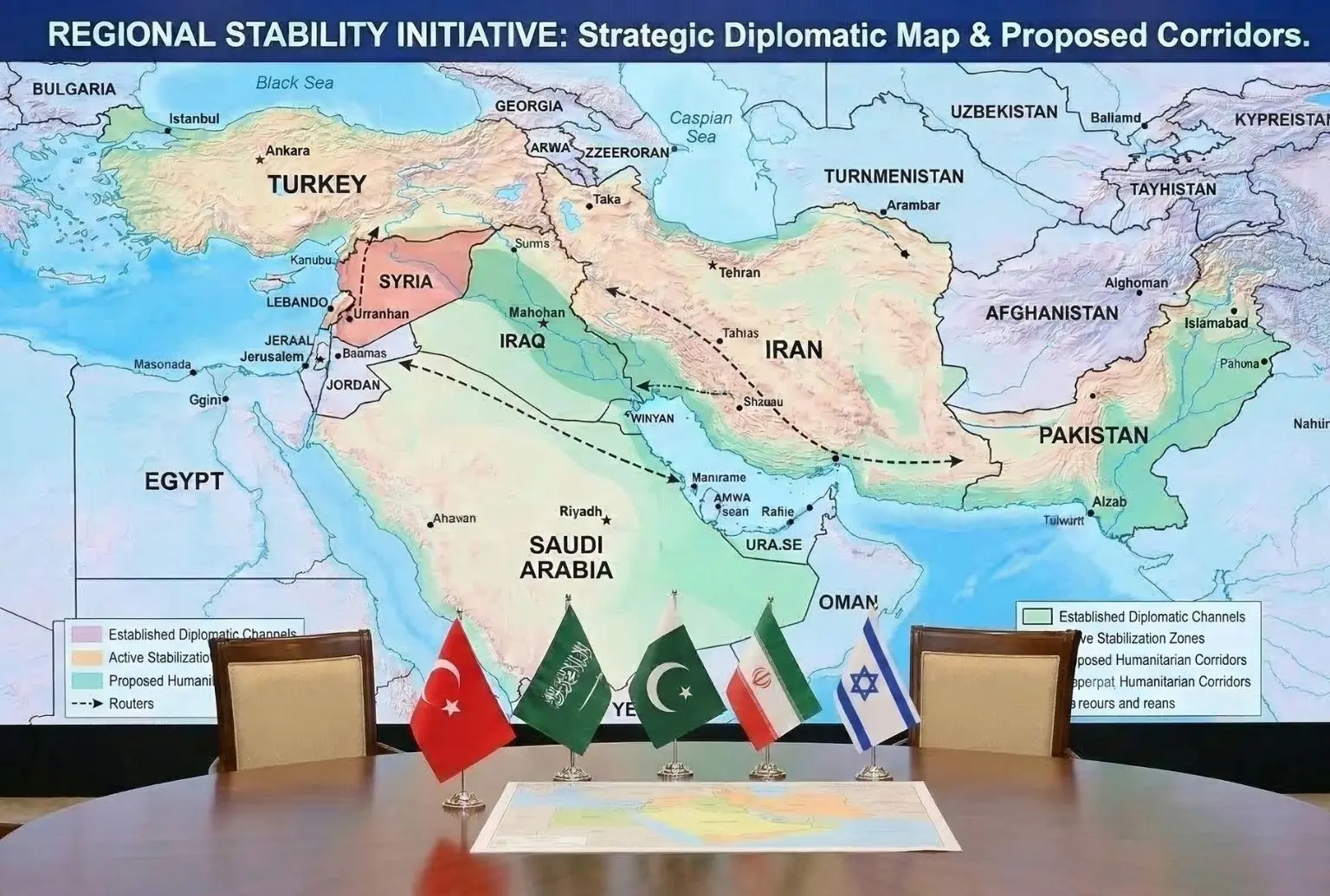
Instead of choosing sides, Pakistan should leverage its unique position to act as a mediator between Iran and the GCC countries. Pirzada advised partnering with Turkey and Saudi Arabia to negotiate a comprehensive regional ceasefire. This approach would focus on nonaggression pacts and the eventual lifting of economic sanctions on Tehran.
Such a diplomatic role would enhance Pakistan’s standing as a responsible nuclear power committed to regional peace. By pushing for a negotiated settlement, Islamabad can protect its own strategic interests while preventing a wider humanitarian catastrophe. The future of Pakistan Middle East Diplomacy depends on this shift from military alignment to active peacemaking.