
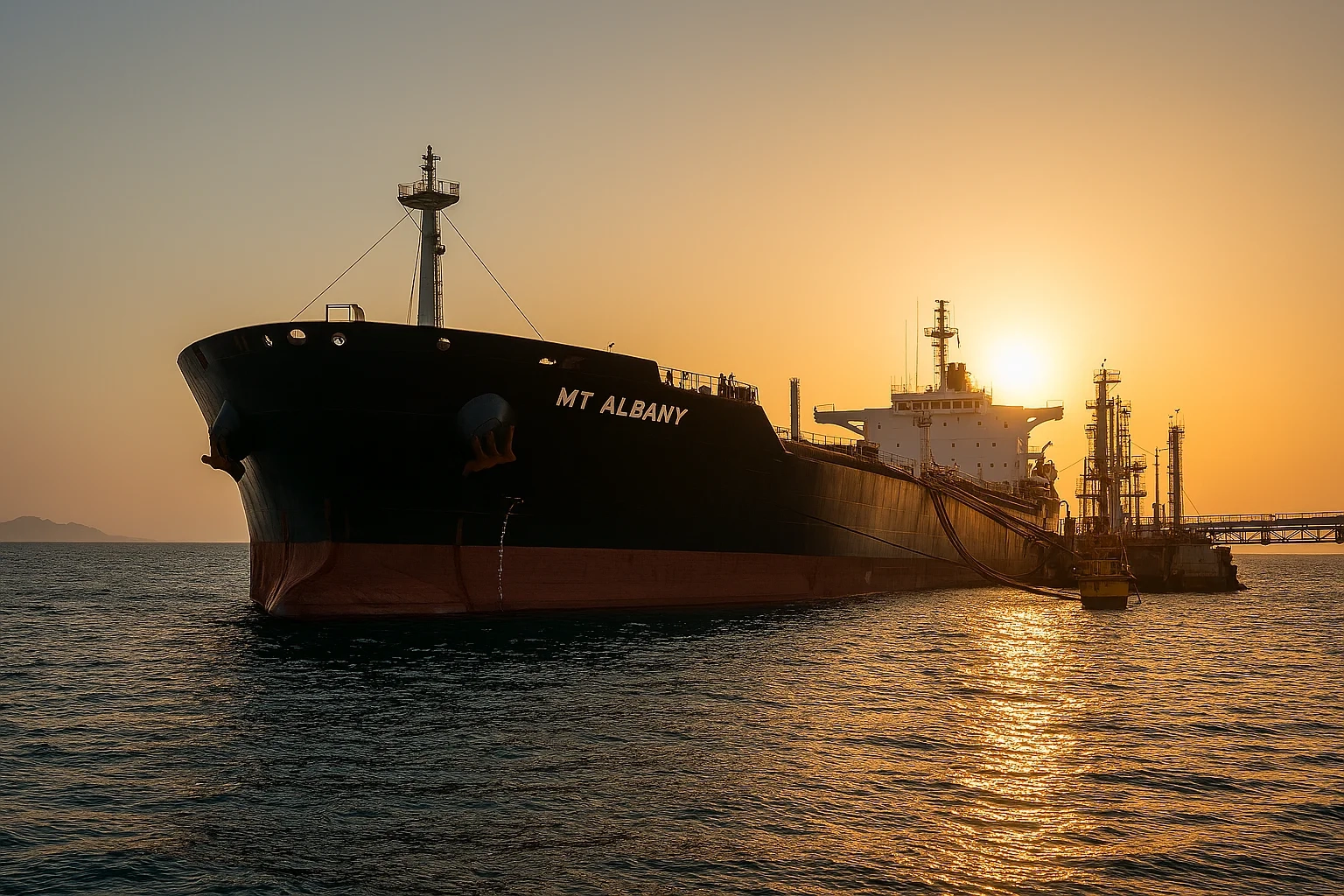
Pakistan’s energy sector is witnessing a strategic transformation with the docking of the MT Albany at Cnergyico’s Single Point Mooring (SPM) terminal near Hub, Balochistan. The vessel carried one million barrels of premium West Texas Intermediate (WTI) crude, making this the country’s second U.S. oil shipment in as many months.
This delivery follows the inaugural cargo in October and precedes a third shipment scheduled for January 2026. Collectively, the three consignments represent an investment exceeding $200 million, underscoring Islamabad’s intent to diversify beyond its traditional reliance on Middle Eastern suppliers such as Saudi Arabia and the UAE.
Officials describe the imports as part of a broader U.S.–Pakistan trade framework, designed to strengthen economic ties while enhancing energy security. The initiative is anchored by Cnergyico’s deep‑water SPM terminal, which can accommodate large Aframax and Suezmax tankers—a capability unavailable at Karachi’s shallow ports. This infrastructure allows Pakistan to import larger volumes at once, reducing freight costs per barrel and making long‑haul shipments financially sustainable.
The choice of WTI crude adds another layer of economic and environmental advantage. As a light, sweet crude, WTI is easier to refine into high‑value fuels like gasoline and diesel, while producing fewer emissions. Moreover, WTI often trades at a discount to the Dubai/Oman benchmark, offsetting the higher transport costs from the U.S. Gulf Coast and making American oil competitive against regional alternatives.
Cnergyico’s current refining strategy focuses on low‑sulfur crudes such as WTI and Nigeria’s Bonny Light, aligning with both cost optimization and environmental performance goals. Analysts suggest that this move into the Atlantic Basin crude market enhances Pakistan’s bargaining power with traditional suppliers, shields the economy from regional volatility, and lays the foundation for a more resilient and cleaner energy future.