

By Suhail Warraich
(Originally published in Daily Jang – English adaptation)
Intentions Belong to God, Not to Critics
Actions are judged by intentions, and only Almighty God truly knows what lies in the heart. Everyone has the right to analyse actions and evaluate outcomes, but questioning someone’s intention is neither appropriate nor within anyone’s authority. No human being can truly know another’s intent. Those who attack intentions, therefore, are among the most misguided people.
Doubting Patriotism Reflects Ill Intent
Until something is proven, doubting a person’s patriotism or sincerity reflects nothing but the ill intent of the doubter. In recent months, during the foreign visits of the Prime Minister and the Field Marshal, certain self-proclaimed “brave defectors” and malicious critics hurled barbs that were not only factually incorrect but also based on narratives riddled with errors.
How Pakistan’s Foreign Policy Is Actually Formed
In Pakistan, foreign visits and foreign policy are never improvised. They are the result of deep deliberation involving the military, the government, the Foreign Office, intelligence agencies, policy think tanks, and at times even friendly foreign states. In principle, the intentions behind foreign visits should never be questioned.
National Interest Drives Every Foreign Visit
In my humble view, whenever a Pakistani Prime Minister, Foreign Minister, or Chief of Army Staff travels abroad, the sole objective is Pakistan’s national interest. Their intention is always to secure benefits for the country and elevate its standing.
Results May Vary, Intentions Do Not
Outcomes may not always meet expectations, and criticism is valid when results fall short. But it is a fact that whether generals or politicians, their foreign engagements are driven by national interest. From Sir Zafarullah Khan to Ishaq Dar, every one of them has tried—without exception—to strengthen Pakistan.
Reassessing Leaders Judged Harshly by History
Even leaders often criticized in history, such as Sikander Mirza and Yahya Khan, should not have their intentions doubted. Regardless of outcomes, they sought Pakistan’s betterment. Sikander Mirza laid the foundation for strong ties with Iran, while Yahya Khan played a bridge role in China–US relations, highlighting Pakistan’s strategic importance.
Pakistan’s Rising Diplomatic Standing After War
Today, Pakistan stands at a far stronger diplomatic position. After victory in the recent war, Pakistan has emerged as a key player on the international stage. The foreign visits of Field Marshal General Asim Munir have elevated Pakistan’s global relevance.
From US Neglect to Strategic Relevance
Whether critics accept it or not, it is a fact that a Pakistan once side-lined by the United States has now emerged as one of the most important countries in South Asia and the Muslim world.
Turning Trump’s Hostility into Strategic Praise
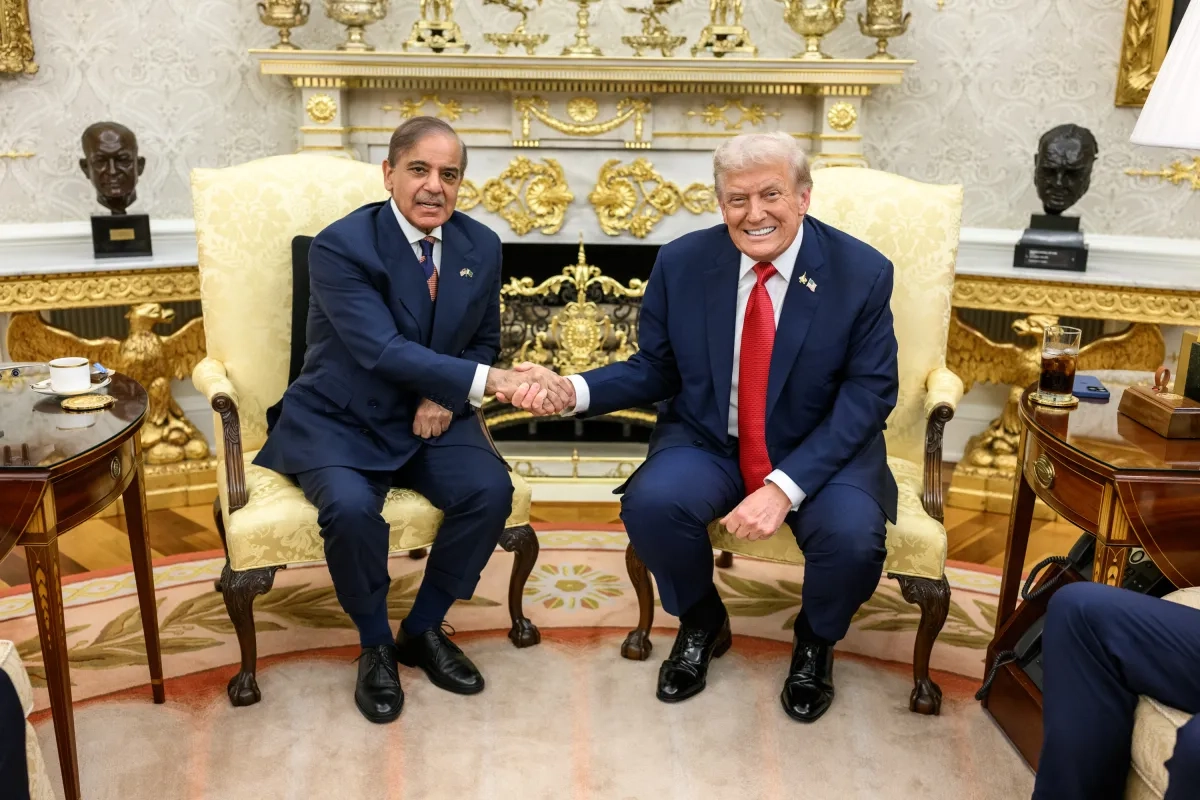
There were fears that with President Trump’s return, relations might turn hostile, especially given his past accusations against Pakistan and India’s efforts to build an anti-Pakistan front in Washington. Yet the Field Marshal’s diplomatic team reversed the narrative. Despite Trump’s unpredictability, his consistent praise for Pakistan is unprecedented—and indirectly critical of India and Prime Minister Modi.
Pakistan’s Historic Alignment with the Muslim World
Since its creation, Pakistan has maintained close ties with Muslim countries of the Middle East, while Israel has remained opposed, an approach laid down by Quaid-e-Azam Muhammad Ali Jinnah and followed ever since. During Zulfikar Ali Bhutto’s era, Pakistan reaped major economic and defence benefits from these relationships.
Repairing Strained Middle East Relations
Under Imran Khan, early warmth with Middle Eastern states eventually turned into coldness and disengagement. Saudi Arabia, the UAE, Kuwait, and Qatar all developed issues with Pakistan. The Field Marshal’s repeated visits reversed this trend—restoring trust, policy alignment, and diplomatic balance.
Libya Visit Controversies and National Interest
Rumours spread during the Libya visit were deeply unfortunate. Every foreign visit, no matter how controversial, carries potential benefit for Pakistan. Speculation about military appointments risked harming national interests rather than serving them and should have been avoided.
How Pakistan Changed the India Narrative Through Strength
Before the recent Pakistan–India war, India, especially under Modi, worked to isolate Pakistan globally. Pakistan’s decisive response, answering bullets with artillery and one strike with ten, was Field Marshal General Asim Munir’s strategic call. For the first time, India was rattled, and Modi accepted a ceasefire out of fear.
A Rare Moment of Muslim Revival in History
As a student of Muslim history, one finds victories mostly in distant centuries. The fall of Baghdad, Granada, and Dhaka weakened the narrative of Muslim strength. Yet this war restored courage and once again raised the Muslim banner on the global stage.
Disagreement Is Legitimate, Malice Is Not
No mortal is free from error. Questioning intentions, however, is fundamentally wrong. One may disagree with the political decisions of the Prime Minister and the Field Marshal—as this journalist often does—but refusing to acknowledge courage and foreign policy success amounts to malice.
The Journalist’s Duty: Criticism with Responsibility
Journalists must scrutinize power, and criticism is natural. But spreading negativity where positive outcomes are evident is not journalism—it is distortion.
Diplomacy Today, Economic Gains Tomorrow
The economic impact of diplomatic visits may not be immediate, but credibility leads to economic benefits. The US decision on F-16 parts, Pakistan–Saudi defence cooperation, improved Iran ties, leadership on Gaza, and inclusion in global decision-making forums are major diplomatic successes.
From the Margins to the Centre of the World
Pakistan was once pushed to the margins of global politics. Today, it is reaching for the stars. In such circumstances, criticism of this diplomatic front is baseless, futile, and unjustified.