
 AI
AI
- All Pakistan Petrol Pump Owners Association warns of supply crisis.
- Oil Marketing Companies accused of imposing restrictive quotas.
- Association urges Prime Minister for immediate intervention.
Related Posts
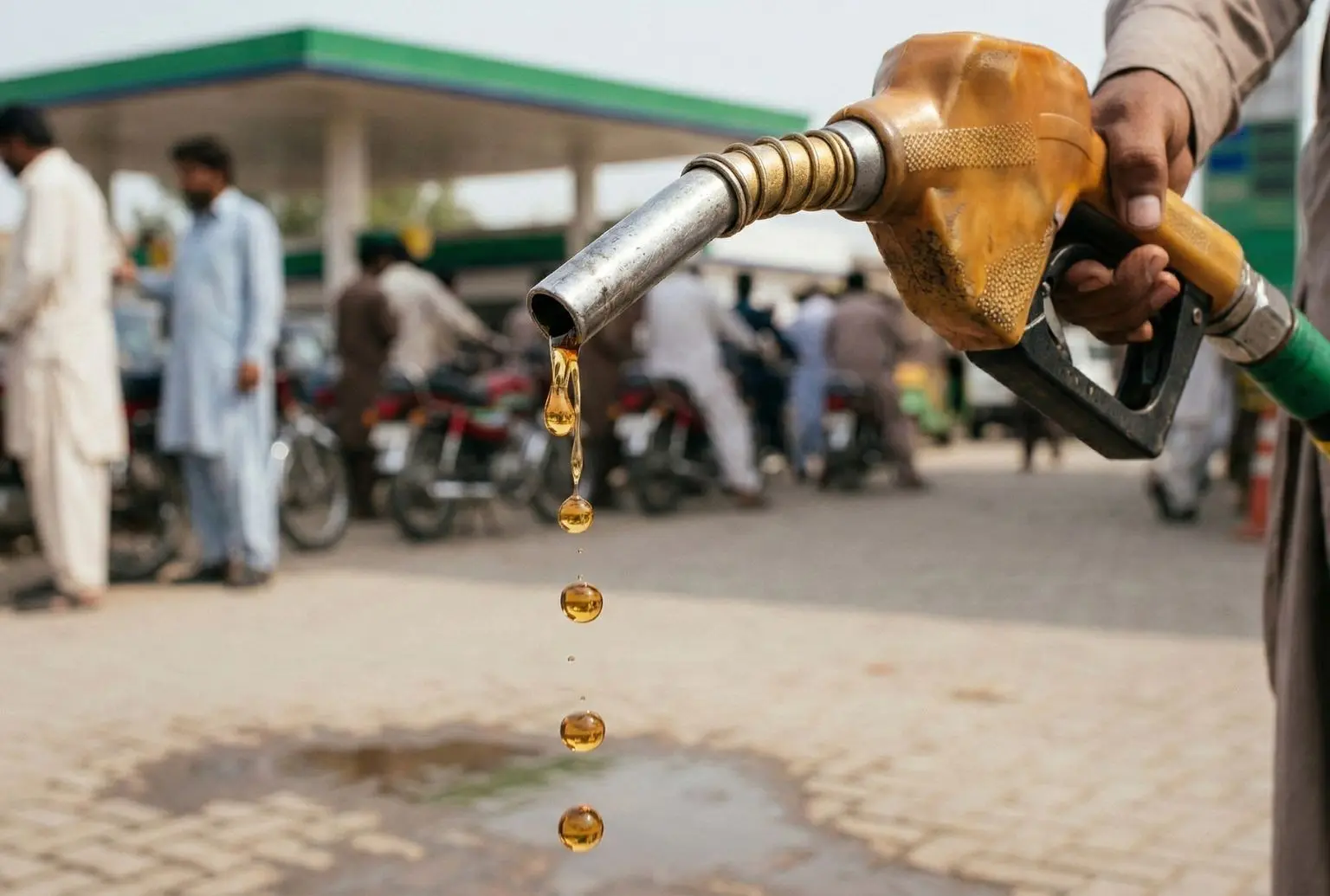
The energy landscape in Pakistan faces a new challenge as representatives of the fuel retail sector voice serious concerns regarding the stability of the supply chain. The All Pakistan Petrol Pump Owners Association has officially reached out to the Prime Minister to highlight an emerging crisis that could disrupt the daily lives of millions. This communication underscores a growing friction between the retail outlets and the larger oil marketing companies. According to Express News, the association believes that recent administrative decisions by these companies are creating unnecessary bottlenecks in the distribution of essential fuels. The primary concern revolves around the implementation of restrictive measures that have limited the flow of petroleum products from depots to the pumping stations. At the heart of the matter is the assertion that oil marketing companies have initiated a quota system without sufficient consultation with stakeholders. This system effectively caps the amount of fuel a retail station can order, regardless of the actual demand in specific localities. By restricting these volumes, the distribution network is experiencing a significant slowdown. Petrol pump owners argue that this is not merely an administrative shift but a move that could lead to an artificial petroleum product shortage across various regions. The association has emphasized that such shortages are often the catalyst for panic among the general public, leading to long queues and social unrest. In their letter, they have called for an immediate review of these policies to ensure that the supply remains commensurate with national requirements.
Organizational Concerns and the Letter to the Prime Minister
The formal letter sent to the Prime Minister serves as a critical distress signal from the retail sector. It outlines how the current operational environment is becoming increasingly unsustainable for pump owners. The All Pakistan Petrol Pump Owners Association claims that the lack of transparency in how quotas are calculated and distributed is creating an uneven playing field. Some stations are receiving significantly less than their historical averages, making it impossible to meet the needs of commuters and industrial consumers alike. This situation is particularly precarious in high traffic urban centers where the demand for motor gasoline and high speed diesel is constant. The association has urged the federal government to step in and mediate between the retailers and the oil marketing companies to find a balanced resolution. Furthermore, the letter points out that the petroleum product shortage is not a result of a physical lack of fuel in the country but rather a failure in the logistics and allocation framework. By highlighting this distinction, the association is putting the onus on the marketing companies and the regulatory bodies to fix the internal mechanisms of the industry. They believe that if the government does not act swiftly, the perception of a shortage will become a self fulfilling prophecy. Once the public believes that fuel might become unavailable, the resulting surge in demand can overwhelm even a healthy supply chain, creating a cycle of scarcity that is difficult to break.
Deciphering the Quota System and Its Distribution Impact
The quota system in question appears to be a management strategy used by marketing firms to control inventory levels. However, when applied broadly without considering regional nuances, it often leads to localized deficits. For a petrol pump owner, a quota means they are prohibited from ordering additional supplies even if their tanks are near empty. This restriction is being viewed as a breach of the standard operating procedures that typically govern the relationship between suppliers and retailers. The owners contend that their primary responsibility is to ensure the continuous availability of fuel for the public, a task that is being hindered by these new limitations. They are demanding that any future changes to supply protocols be made only after thorough consultation with the association. From a technical perspective, the distribution impact of such a system is profound. It disrupts the predictable cycle of fuel replenishment. When a station is limited by a quota, it cannot optimize its storage capacity. This leads to a situation where some stations may have excess fuel while others in the same vicinity are forced to shut down their nozzles. This inconsistency is what the All Pakistan Petrol Pump Owners Association identifies as the precursor to a broader petroleum product shortage. They argue that the energy sector requires a fluid and responsive distribution model rather than one constrained by rigid and often arbitrary numerical caps.
Operational Hurdles for Oil Tankers and Logistics Firms
Beyond the administrative hurdles, the physical transportation of fuel is also facing severe delays. The association has reported that oil tankers are being forced to wait for extended periods at loading depots. In some instances, tankers are stuck for hours or even days before they can receive their allocated volumes. These delays have a cascading effect on the entire supply chain. When a tanker is delayed at the source, the petrol pump it serves remains empty for longer, increasing the risk of a petroleum product shortage at the point of sale. The logistics of fuel distribution are highly sensitive to time, and any interruption in the movement of tankers can lead to immediate shortages in remote or high demand areas. This logistical bottleneck is also placing a financial strain on the transport sector. Tanker owners and operators rely on frequent trips to remain profitable. Long waiting times at depots reduce the number of deliveries they can make, leading to operational losses. The petrol pump owners have expressed solidarity with the transporters, noting that the entire ecosystem is being stressed by the current inefficiencies. They have called for a streamlining of the loading process and a removal of any artificial barriers that prevent tankers from moving fuel quickly from the depots to the retail stations. Without efficient logistics, even a surplus of fuel at the refineries or ports will not prevent a shortage at the local level.
Anticipated Socioeconomic Repercussions of Fuel Scarcity
The potential for a petroleum product shortage carries heavy socioeconomic implications for Pakistan. Fuel is the lifeblood of the economy, powering everything from public transport and private vehicles to industrial machinery and agricultural equipment. Any perceived or actual scarcity can lead to an immediate spike in the cost of transportation, which in turn inflates the prices of essential commodities like food and medicine. The association has warned that the public’s anxiety regarding fuel availability can quickly turn into frustration, leading to protests and disruption of public order. In a country already grappling with economic challenges, a fuel crisis is the last thing the citizenry can afford. Moreover, the uncertainty in the fuel market affects business confidence. Small businesses that rely on daily deliveries and logistics are particularly vulnerable to fluctuations in fuel availability. If a petroleum product shortage becomes a reality, it could stall economic activity in various sectors. The association’s decision to reach out to the Prime Minister reflects the gravity of these concerns. They are advocating for a proactive approach to prevent a full scale crisis. By addressing the distribution issues now, the government can maintain stability in the market and ensure that the energy needs of the nation are met without interruption or artificial price hikes.
Proposed Policy Framework and Regulatory
Requirements To resolve the current impasse, the All Pakistan Petrol Pump Owners Association has proposed a set of policy changes. Foremost among these is the demand for mandatory consultation between oil marketing companies and retail representatives before any changes to supply volumes or distribution methods are implemented. They believe that a collaborative approach will lead to more realistic and effective policies. Additionally, they are calling for the strengthening of regulatory oversight to ensure that marketing companies do not abuse their position by imposing restrictive quotas that could lead to a petroleum product shortage. A more transparent reporting system for inventory and supply would help build trust among all stakeholders in the energy sector. In conclusion, the warning issued by the petrol pump owners is a call for systemic reform and immediate administrative action. The threat of a petroleum product shortage is a complex issue that involves logistics, corporate policy, and government regulation. By addressing the grievances of the retailers and ensuring a smooth flow of fuel from depots to pumps, the government can safeguard the interests of both the industry and the public. The All Pakistan Petrol Pump Owners Association remains committed to working with the authorities to ensure that Pakistan’s energy supply chain remains robust and resilient against any potential disruptions.
Frequently Asked Questions
Q:What is causing the petroleum product shortage in Pakistan?
A:The potential shortage is being attributed to a quota system implemented by oil marketing companies, which restricts the amount of fuel delivered to retail stations despite high demand.
Q:How has the All Pakistan Petrol Pump Owners Association responded?
A:The association has written a formal letter to the Prime Minister seeking government intervention to end the quota system and ensure timely fuel supplies.