
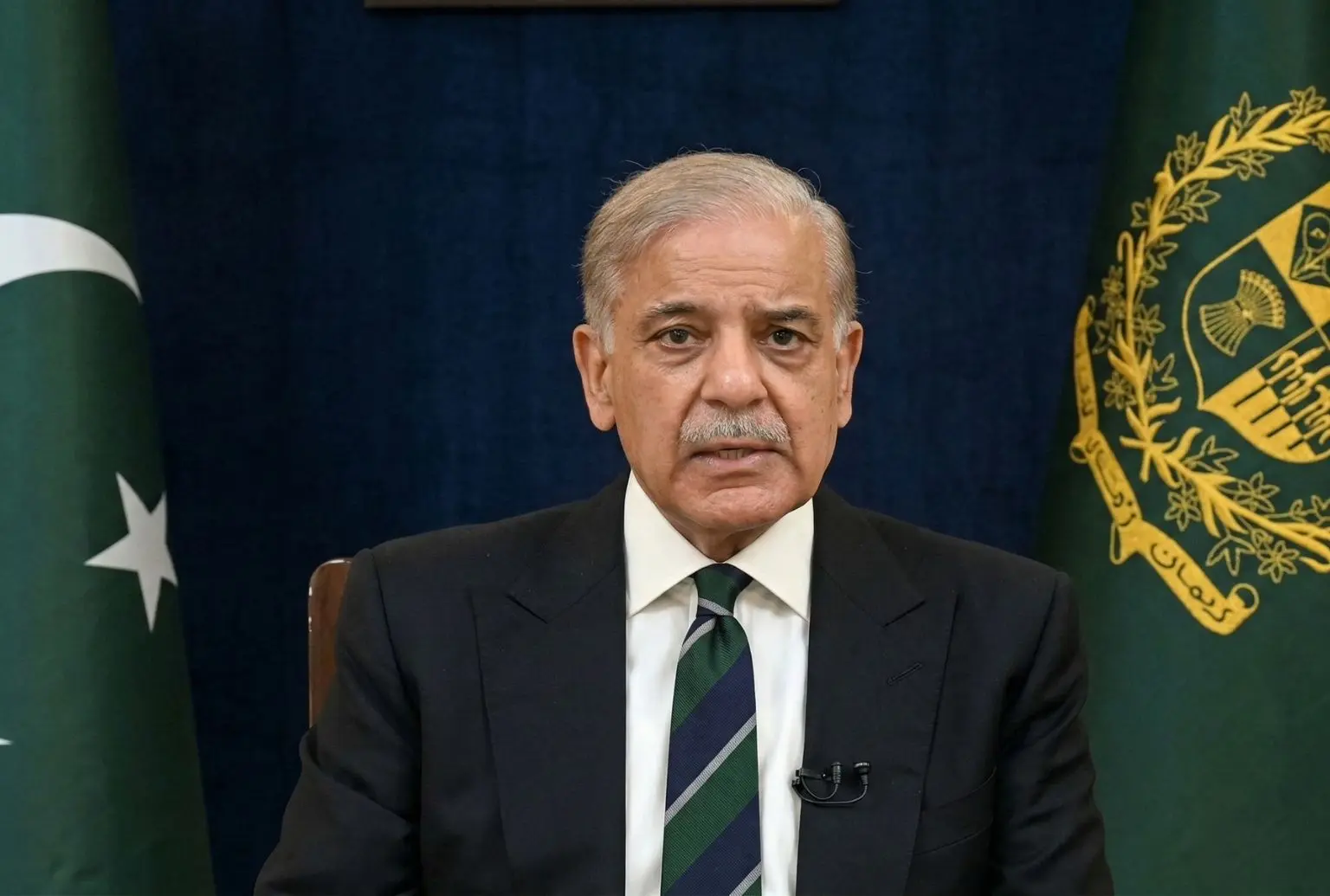
 Screen Grab
Prime Minister Shehbaz Sharif addressed the nation to announce a series of drastic austerity measures aimed at mitigating the impact of the Middle East crisis on Pakistan. These steps include significant changes to the working week, educational schedules, and government spending to ensure national stability during these uncertain times.
The Prime Minister emphasized that the escalating tensions in the Middle East have directly impacted global energy markets and national security. He noted that the government had to make difficult choices to protect the common man from the worst effects of global inflation and fuel price volatility.
Drastic Energy Saving Steps
The Prime Minister announced that all government and private offices will now operate under a 50 percent work from home policy for their staff. This measure is designed to significantly reduce the daily consumption of fuel and electricity across the country while maintaining essential services for the public.
Also Read: Petrol Pump Owners Warn PM About Petroleum Product Shortage
In addition to the remote work policy, the government has introduced a three day weekend for public offices to further conserve energy resources. These offices will remain open for four days a week with one additional holiday provided to ensure a reduction in the national energy load.
Educational institutions are also part of this emergency strategy as all schools will remain closed for the next two weeks. For higher education students, the Prime Minister directed that all classes must transition to online platforms immediately to avoid any disruption in the academic calendar while saving travel costs.
Middle East Crisis Impact
The Prime Minister highlighted the grave situation in the Middle East where conflict has led to a significant loss of human life and regional instability. He expressed deep concern over the displacement of families and the threats to global peace resulting from the ongoing military actions in the region.
Also Read: Middle East Crisis Explained: Death Toll, Refugees, Global Impact
Pakistan has officially condemned the attacks on Iran and expressed sorrow over the martyrdom of Iranian citizens during the recent strikes. The Prime Minister reiterated that Pakistan stands in solidarity with brotherly Muslim nations including Saudi Arabia, Qatar, Kuwait, and Turkey during this period of trial.
The global impact of this tension has seen crude oil prices jump from 60 dollars to over 100 dollars per barrel in a very short span. This rapid increase poses a severe threat to the national economy, agriculture, and transport sectors which are heavily dependent on imported energy from the Gulf region.
Protecting Pakistan Economy
Reflecting on the domestic economic situation, the Prime Minister stated that the recent increase in petroleum prices was a painful but necessary decision. He mentioned that while his heart felt for the poor, the necessity of maintaining financial discipline left the government with very few alternatives.
Also Read: Oil Prices Surge as UAE and Kuwait Close Stock Markets
The government has implemented a 50 percent cut in the fuel quota for all government departments to lead by example in the austerity drive. This reduction applies to all official vehicles except for those used in emergency services such as ambulances and public transport buses.
Further financial sacrifices include a total freeze on salaries for cabinet members, ministers, and advisors for the next two months. Members of the assembly will also see a 25 percent reduction in their pay while high ranking officers in Grade 20 and above will contribute two days of salary to the relief fund.
Upcoming Economic Outlook
The Prime Minister warned that oil prices might continue to rise in the coming days if the international situation does not stabilize soon. However, he assured the public that the government is working tirelessly to ensure that the burden on the average citizen remains as minimal as possible through internal adjustments.
A strong warning was issued to hoarders and illegal profiteers who might try to exploit the current situation for personal gain. The Prime Minister stated that the iron hand of the law would move against anyone found manipulating the prices of essential commodities or fuel during this crisis.
In his concluding remarks, the Prime Minister called upon the elite and wealthy segments of society to step forward and support the nation. He emphasized that the history of Pakistan is filled with sacrifices by the working class, and now it is the turn of the affluent to show social responsibility.
Austerity Plan FAQs
What are the new rules for government office fuel quotas?
All government departments will face a 50 percent reduction in their fuel quotas for the next two months to save national resources. Emergency services like ambulances and public transport are exempt from these cuts to ensure public safety and mobility.
How will the work from home policy be implemented in Pakistan?
Fifty percent of the staff in non essential services will work from home while offices will follow a four day work week. This policy does not apply to critical sectors such as banking, industry, and agriculture which must continue full operations.