

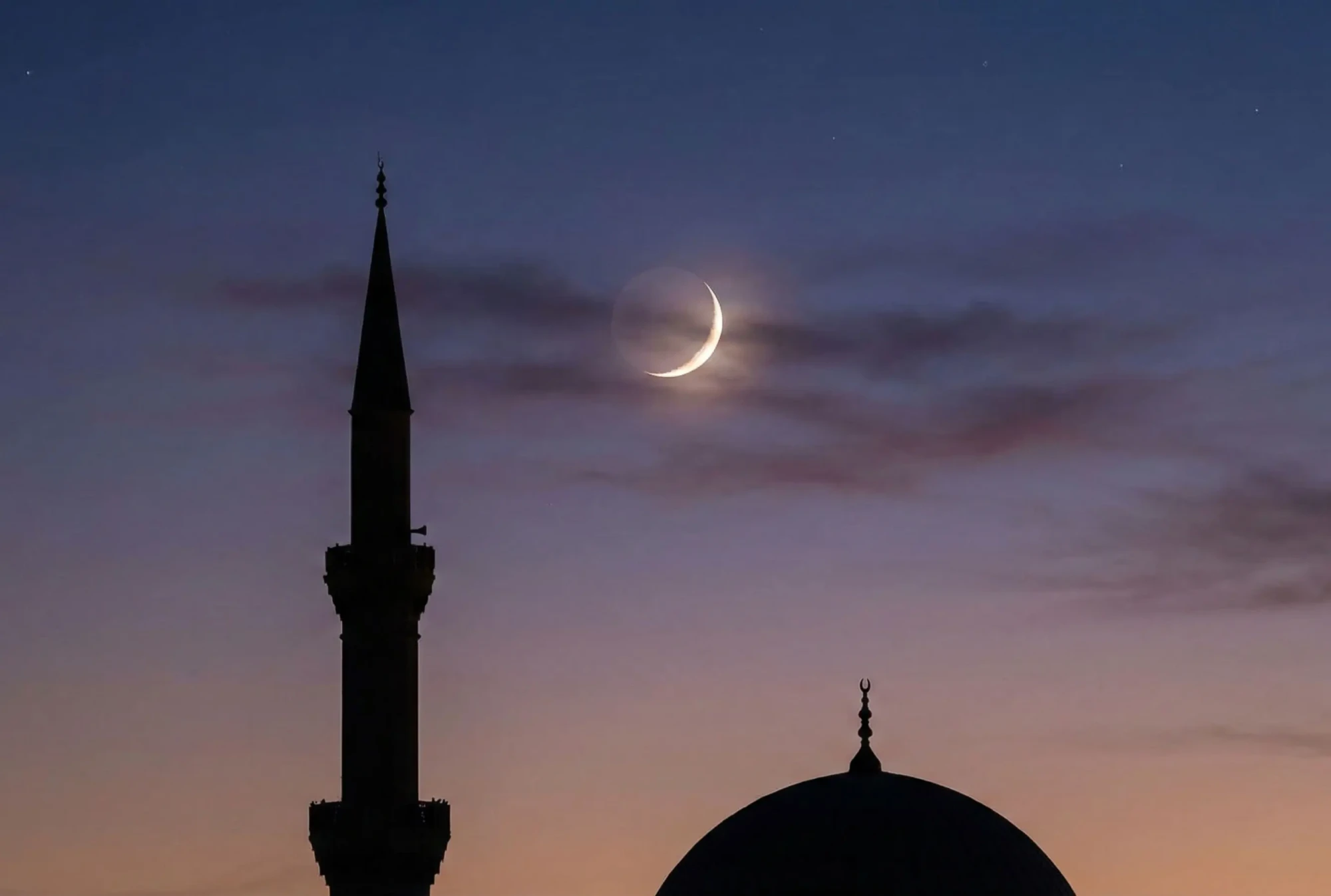
- Ramadan moon expected to appear on February 18, 2026.
- Moon birth predicted for 5:01 PM on February 17.
- Clear weather likely to aid crescent sighting across Pakistan.
Moon Birth and Scientific Data
The scientific data indicates that the new moon for Ramadan 1447 Hijri will be born on February 17, 2026. Based on Pakistan Standard Time, the birth of the moon is expected at 5:01 PM. This astronomical birth is the first step in the cycle that leads to the traditional sighting of the crescent. For the moon to be visible to the naked eye, it must reach a specific age and altitude by the time the sun sets on the following day.
Expected Sighting Date
Following the birth of the moon, the crucial window for sighting will be the evening of February 18, 2026, which marks the 29th of Shaban 1447 AH. Experts from the Pakistan Meteorological Department have stated that the chances of seeing the crescent on this evening are very bright. If the moon is sighted as predicted, the first day of fasting for Ramadan 2026 will likely be observed on February 19. The age of the moon at the time of sunset on the 18th is expected to be sufficient for clear visibility in most regions.
Weather and Atmospheric Conditions
Atmospheric experts have also analyzed the potential weather patterns for February 18. According to the current forecast, the weather in most parts of Pakistan is expected to remain clear or only partially cloudy. Such conditions are ideal for the Ruet-e-Hilal committees and the general public to observe the sky. Clear horizons in the southern and central provinces like Sindh and Punjab will further enhance the likelihood of a successful sighting.
Regional Visibility Windows
To assist the public and the sighting committees, the department has calculated the exact times when the moon-sighting window will close in different areas. In Balochistan, the window will remain open until 7:47 PM, providing the longest duration for observation. In Sindh, the time is set until 7:24 PM, while in Khyber Pakhtunkhwa, it is 7:13 PM. Punjab residents will have until 7:08 PM to observe the sky. For the northern regions, the times are 6:58 PM for Azad Kashmir and 6:53 PM for Gilgit-Baltistan.
The Role of the Ruet-e-Hilal Committee
While these scientific predictions are highly accurate, the final decision remains with the Central Ruet-e-Hilal Committee. This body, which includes religious scholars and technical representatives, gathers evidence from various parts of the country before making an official announcement. The data provided by the Pakistan Meteorological Department serves as a vital technical guide to help the committee verify the authenticity of any reported sightings, ensuring a unified start to the holy month across the nation.