

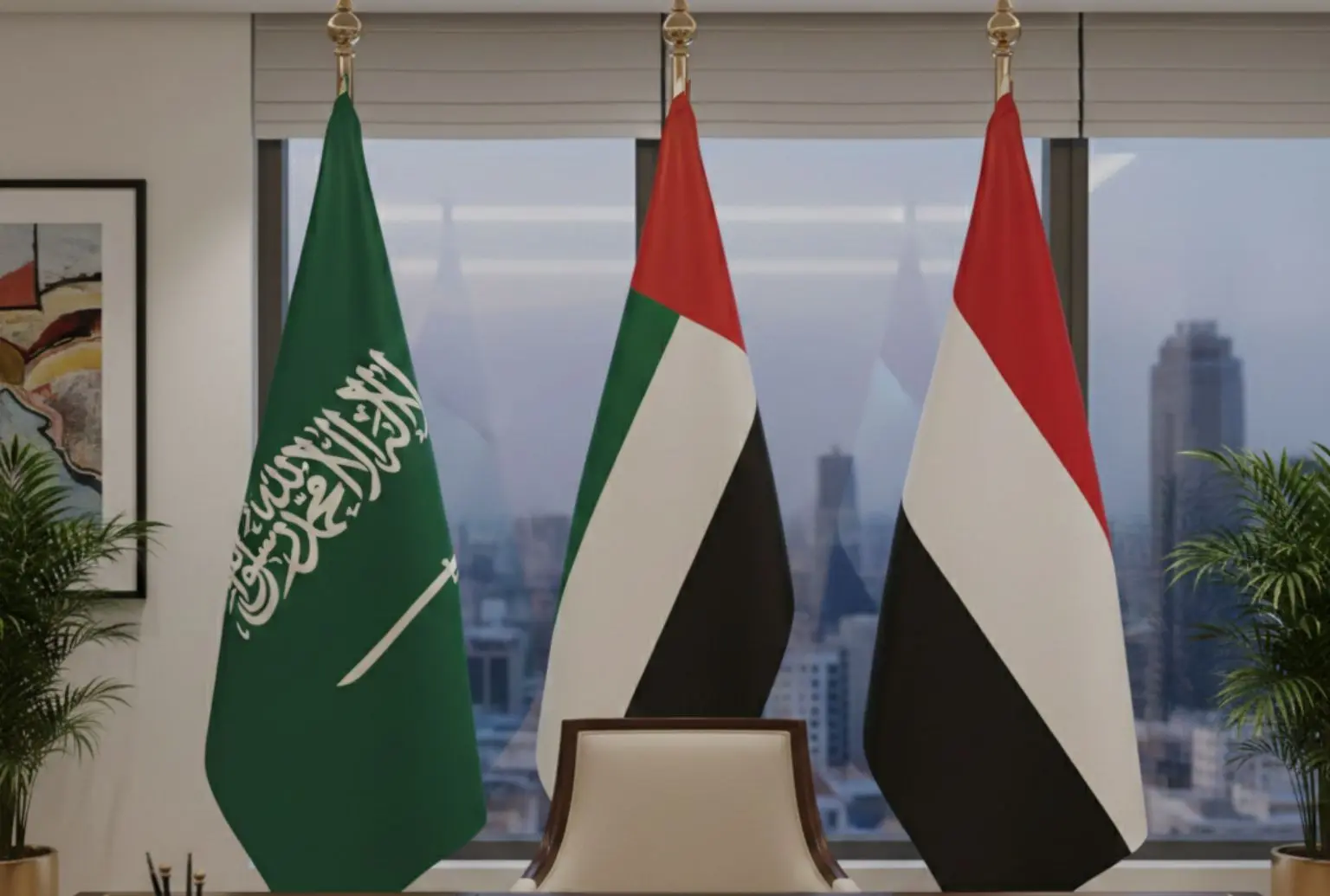
Riyadh/Sanaa: The long-standing alliance between Saudi Arabia and the United Arab Emirates (UAE) faces its most severe test to date. In an unprecedented move, the Saudi Ministry of Foreign Affairs has issued a 24-hour ultimatum for the UAE to withdraw all military personnel from Yemen. This follows a high-stakes aerial operation by the Saudi-led coalition against unauthorized military shipments arriving at a Yemeni port.
The Air Raid at Mukalla Port
According to official statements from the Saudi-led coalition spokesperson, Turki al-Maliki, Saudi fighter jets carried out a “limited and surgical” strike on the strategic Mukalla Port. The operation targeted a large cache of weapons and combat vehicles.
Saudi intelligence reports claim that two vessels arriving from the UAE’s Fujairah Port entered the harbor under the cover of darkness after disabling their mandatory Automatic Identification System (AIS) tracking. The equipment was reportedly destined for the Southern Transitional Council (STC), a separatist group that has recently tightened its grip on southern Yemen.
A Threat to Saudi National Security
The tension is not merely about a shipment; it is about geography. The Saudi Foreign Ministry expressed grave concern over the STC’s recent military push into the provinces of Hadramaut and Al-Mahra.
Why these provinces matter:
- Hadramaut: A massive, oil-rich province that shares a long, porous border with Saudi Arabia.
- Al-Mahra: Yemen’s easternmost province, bordering Oman, which is vital for regional stability and anti-smuggling operations.
Riyadh views the UAE’s continued financial and military backing of the STC in these border regions as a direct violation of coalition principles and a “red line” for Saudi sovereignty.
The 24-Hour Ultimatum and Regional Fallout
Citing a formal request from the Yemeni Presidential Leadership Council (PLC), headed by Rashad al-Alimi, Saudi Arabia has demanded the total cessation of UAE military presence within 24 hours. The statement warned that Riyadh will not tolerate “any threat to the regional peace” and is prepared to take “all necessary measures” to eliminate such risks.
Historical Context: The 2014 Conflict
While both nations entered Yemen in 2014 to combat Houthi rebels, their strategic goals have since diverged. Saudi Arabia remains committed to a unified Yemen under the central government. In contrast, the UAE has increasingly supported the STC’s vision of an independent South Yemen, a move that critics say has created a “war within a war.”
As of Tuesday, UAE officials have remained silent, but regional observers suggest that the involvement of high-level military leadership, including Field Marshal-level strategic oversight in Riyadh, indicates that Saudi Arabia is no longer willing to settle for diplomatic compromises.
Source & Transparency: This report is based on official briefings from the Saudi Ministry of Foreign Affairs, the Saudi Press Agency (SPA), and on-the-ground reporting from BBC Arabic and Al Jazeera regarding coalition movements in Mukalla.