
 Screen Grab
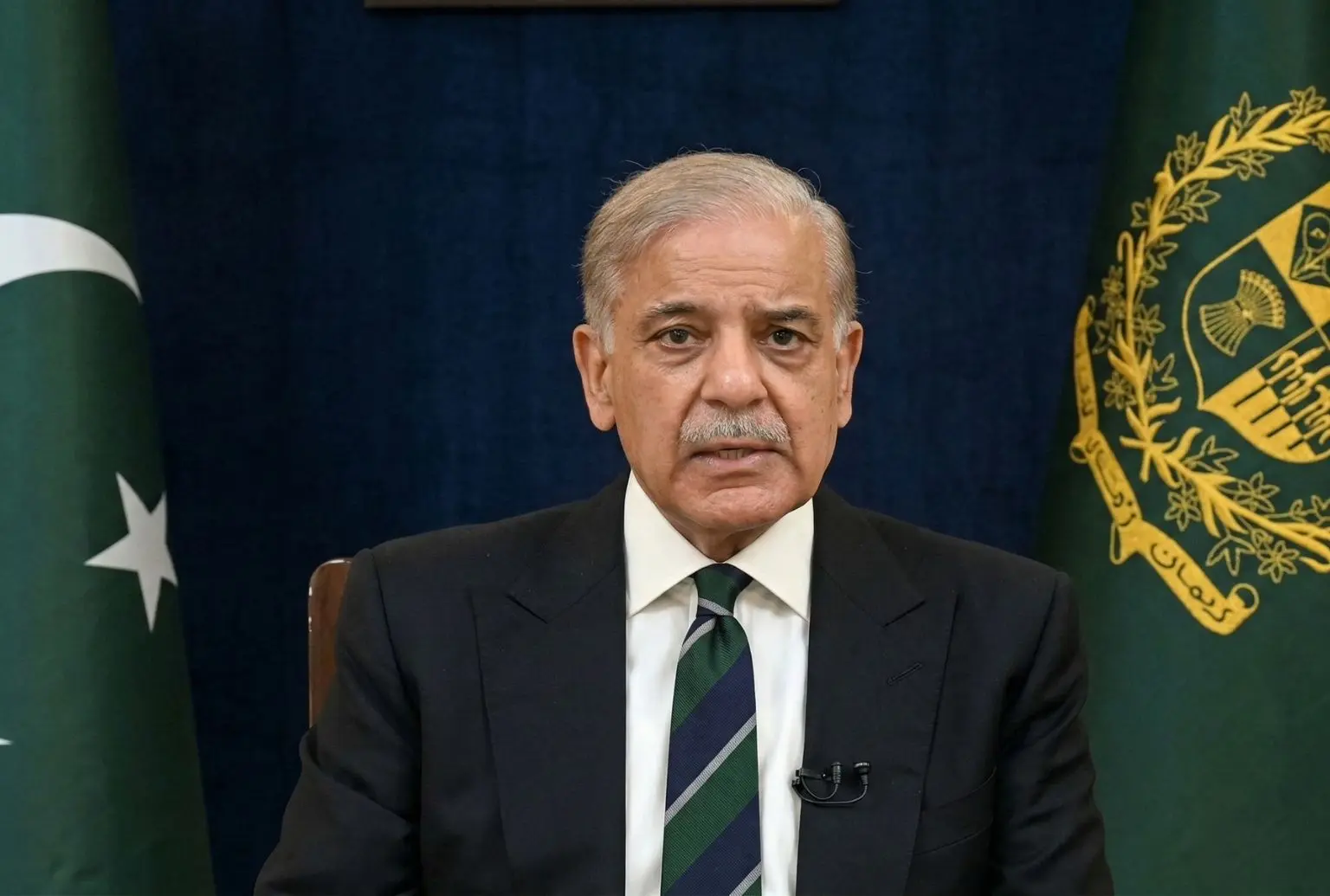
Prime Minister Shehbaz Sharif announced on Friday that the federal government is currently absorbing the impact of surging global oil prices to shield the public. Speaking in a televised address to the nation, as reported by BBC, the Prime Minister emphasized that while the state is bearing this financial burden, it is not a sustainable long-term solution.
Relief Amid Crisis
The Prime Minister provided a detailed breakdown of the recent fuel price summaries submitted to the federal government. On March 13, a proposal was presented to increase the price of petrol by 50 rupees and diesel by 74 rupees per litre. The Prime Minister rejected this proposal to prevent an immediate financial shock to the domestic consumers.
By rejecting these recommendations, the federal government reportedly absorbed a fiscal burden of approximately 24 billion rupees. This decision was made to ensure that the common man does not face the brunt of international market fluctuations. The Prime Minister noted that his administration is prioritizing public relief over budgetary constraints during this volatile period.
A second summary was received on March 20 which proposed even steeper increases for the current fortnight. The recommendation suggested raising petrol prices by 76 rupees and diesel prices by 177 rupees per litre. Shehbaz Sharif stated that the government once again declined this hike to maintain price stability within the country.
The cost of rejecting the second summary is estimated to be around 45 billion rupees in additional government spending. This brings the total subsidy burden for the current month to a significant level for the national exchequer. The Prime Minister highlighted that these measures are intended to prevent a massive surge in the cost of living.
Global Market Trends
During his address, Shehbaz Sharif pointed toward the deteriorating security situation in the Middle East as a primary factor for the price surge. He mentioned that attacks on energy installations in brotherly countries have significantly disrupted global supply chains. These geopolitical tensions have led to an unprecedented rise in crude oil prices across the world.
The Prime Minister noted that international oil prices have jumped from 72 dollars per barrel to a historic limit of 158 dollars. This dramatic increase occurred within a span of only three weeks, creating a global energy emergency. Pakistan remains highly vulnerable to these external shocks due to its heavy reliance on imported fuel products.
The volatility in the Gulf region has forced energy prices to reach levels that the Prime Minister described as sky high. He explained that the global market is currently experiencing a period of extreme uncertainty and instability. Such a rapid escalation in prices has made it difficult for developing nations to manage their import bills effectively.
The Prime Minister also touched upon the impact of these international trends on the national budget and foreign exchange reserves. He stated that the government has had to implement strict cuts in its own departmental spending. These internal austerity measures are being taken to create the fiscal space required to subsidize fuel for the general population.
Economic Burden Analysis
Shehbaz Sharif clarified that while the government is currently footing the bill, this strategy is not a permanent fix. He stressed that the state cannot indefinitely bear the entire weight of rising international commodity prices. The sustainability of such subsidies depends heavily on the future trajectory of the global energy market.
The Prime Minister emphasized that the federal government has already reduced its own expenditures to accommodate these subsidies. He urged the nation to understand the gravity of the economic situation and the limitations of the state. Every effort is being made to keep the prices of essential commodities within the reach of the common people.
The financial impact of these subsidies is being felt across all sectors of the economy. The Prime Minister noted that the government had to make difficult choices to ensure that the wheels of the economy keep turning. He reiterated his commitment to transparency regarding the economic challenges facing the country.
The Prime Minister also discussed the broader implications of fuel prices on the transportation and manufacturing sectors. He explained that a direct pass through of international prices would have led to an immediate spike in transportation costs. This would have inevitably resulted in higher prices for food items and other essential goods across the country.
Future Inflation Warnings
Looking ahead, the Prime Minister warned that the crisis might gain further intensity and duration. He stated that the threat of a prolonged global energy shortage is becoming more real with each passing moment. If the situation in the international market does not stabilize, the government may have to reconsider its pricing policy.
Shehbaz Sharif warned that if the current trends persist, the possibility of further price adjustments cannot be ruled out. He cautioned that a continued rise in global oil could trigger a new wave of inflation in the country. This inflationary pressure would be a direct result of external factors beyond the control of the national government.
The Prime Minister concluded his address by calling for national unity and a focus on austerity. He urged citizens to be mindful of their energy consumption as the country navigates this difficult period. The government remains focused on finding a balance between fiscal responsibility and providing relief to the vulnerable segments of society.