

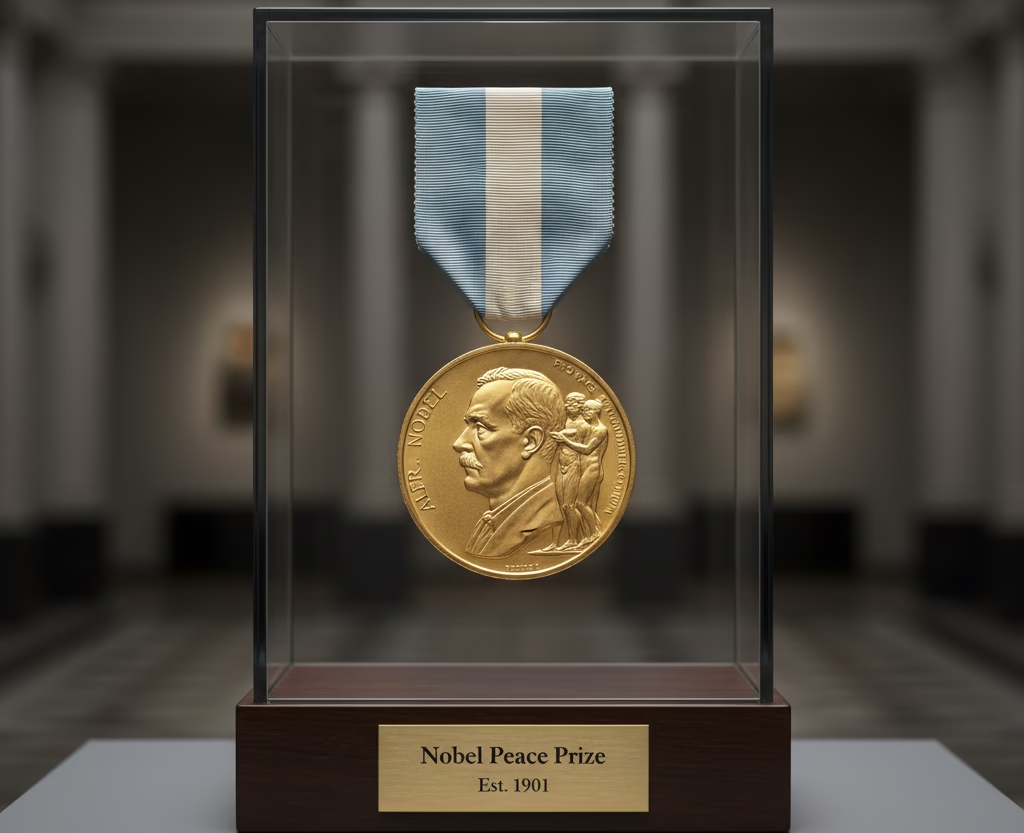
The Nobel Peace Prize is widely regarded as the world’s most prestigious honour. This year, its selection process has been cast into the spotlight, shadowed by a months-long public campaign from a figure no less prominent than United States President Donald Trump.
Trump has openly expressed his desire to win the coveted award, a feat achieved by four American presidents before him: Barack Obama in 2009, Jimmy Carter in 2002, Woodrow Wilson in 1919, and Theodore Roosevelt in 1906.
Of these winners, only Carter received the prize after leaving office. Obama’s selection was notable as it came less than eight months into his first term—a similar early-presidency position that Trump finds himself in now.
According to sources within the Nobel Committee, the decision is the result of a year-long, painstaking process. A five-member committee meets to debate the merits and shortcomings of each candidate. The journey to the announcement begins with a strict nomination deadline of January 31. Committee members themselves can also put forward names, but they must do so by the first committee meeting in February.
Following this, the committee convenes approximately once a month. A final decision is typically reached by August or September, although it can come later, as was the case this year. The Nobel Committee acknowledges it is accustomed to working under pressure from potential candidates and their supporters who feel they are deserving of the prize.
Berit Reiss-Andersen, the Chair of the Norwegian Nobel Committee, told Reuters, “All politicians want to win the Nobel Peace Prize.”
“We hope that the ideals behind the Nobel Peace Prize are what all political leaders should strive for,” she explained. “We see the attention, whether in America or around the world, but beyond that, we operate as we always have.”
(Source: Independent News)