

- Trump claims interim presidency role.
- Follows Maduro’s dramatic New York arrest.
- US to manage Venezuelan oil assets.
The political landscape of the Western Hemisphere was dramatically altered this
week following an unprecedented declaration from Washington.
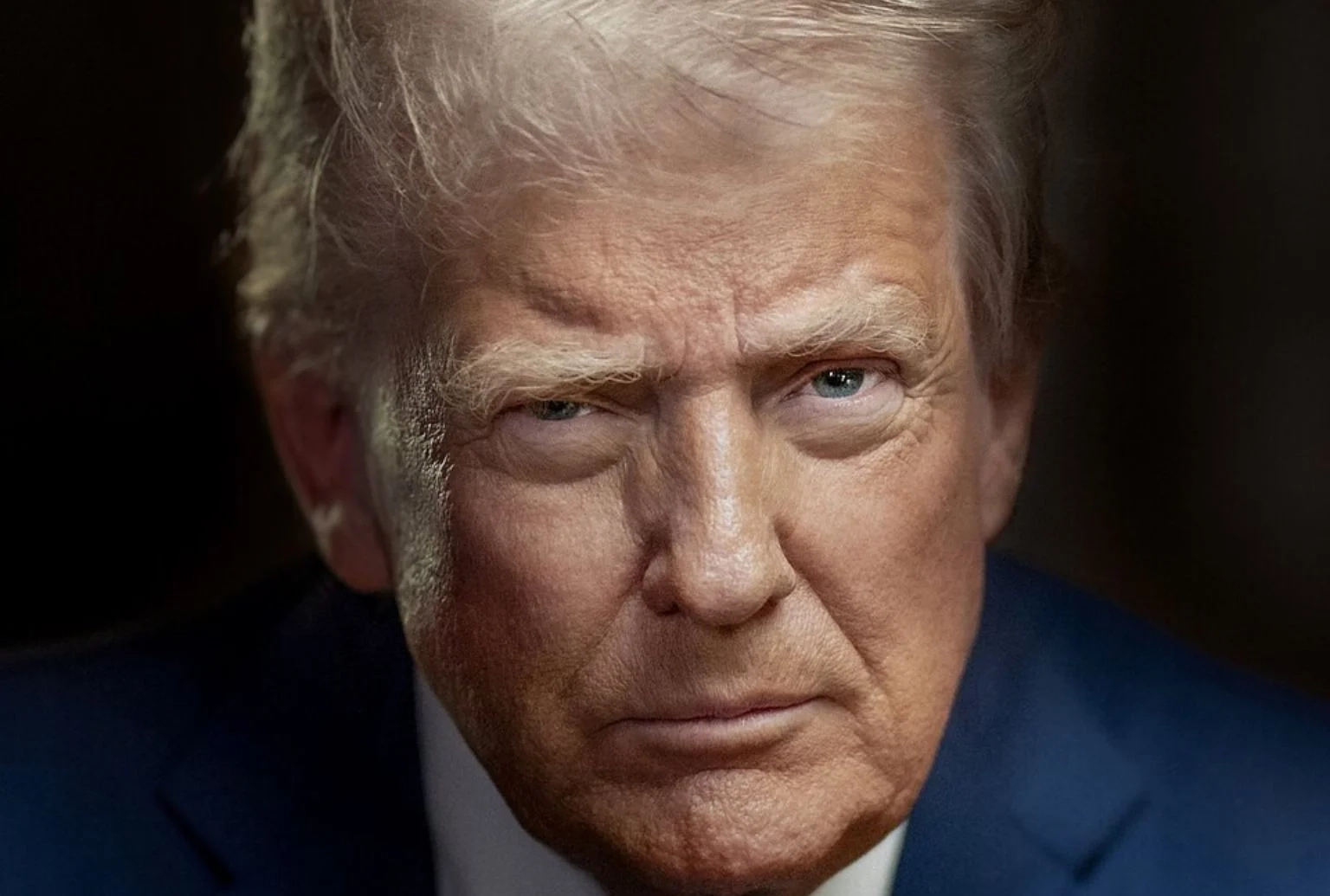
President Donald Trump shared a highly scrutinized image on his Truth Social platform, designating himself as the “Acting President of Venezuela,” effective January 2026.
The image, which paired his official photograph with the text, also reiterated his status as the 45th and 47th President of
the United States.
This self-declaration is not isolated; it is the capstone of aggressive US intervention in the South American nation. Recently, the US military executed an operation in Venezuela resulting in the swift capture of sitting President Nicolás Maduro. Maduro and his wife, Cilia Flores, were subsequently transferred to New York and arraigned on grave charges related to narcotics trafficking and arms violations.
US officials have been clear that America intends to supervise the political transition during this interim phase. While Trump asserts his personal claim to the acting presidency, Venezuelan Vice President and Oil Minister Delcy Rodríguez has reportedly taken the interim presidential oath, indicating a potentially complex power struggle on the ground.
The primary focus of the US administration under President Trump appears to be Venezuela’s vast natural resources. President Trump stated that the US would assume oversight of Venezuela’s significant oil revenue throughout the transitional period. The stated purpose is to ensure these funds are used for the benefit of both the Venezuelan and American populations. Furthermore, President Trump claimed that Venezuela is slated to provide the United States with a substantial supply, estimated between 30 and 50 million barrels of oil, to be sold at prevailing market prices.
The combination of military action, the arrest of a sitting head of state, and the explicit claim of transitional leadership over another sovereign nation, particularly one rich in oil, has ignited fervent international discussion. Analysts suggest this action significantly escalates the debate regarding national sovereignty and the limits of geopolitical intervention, cementing a new and controversial chapter in US-Latin American relations.