

 X
X
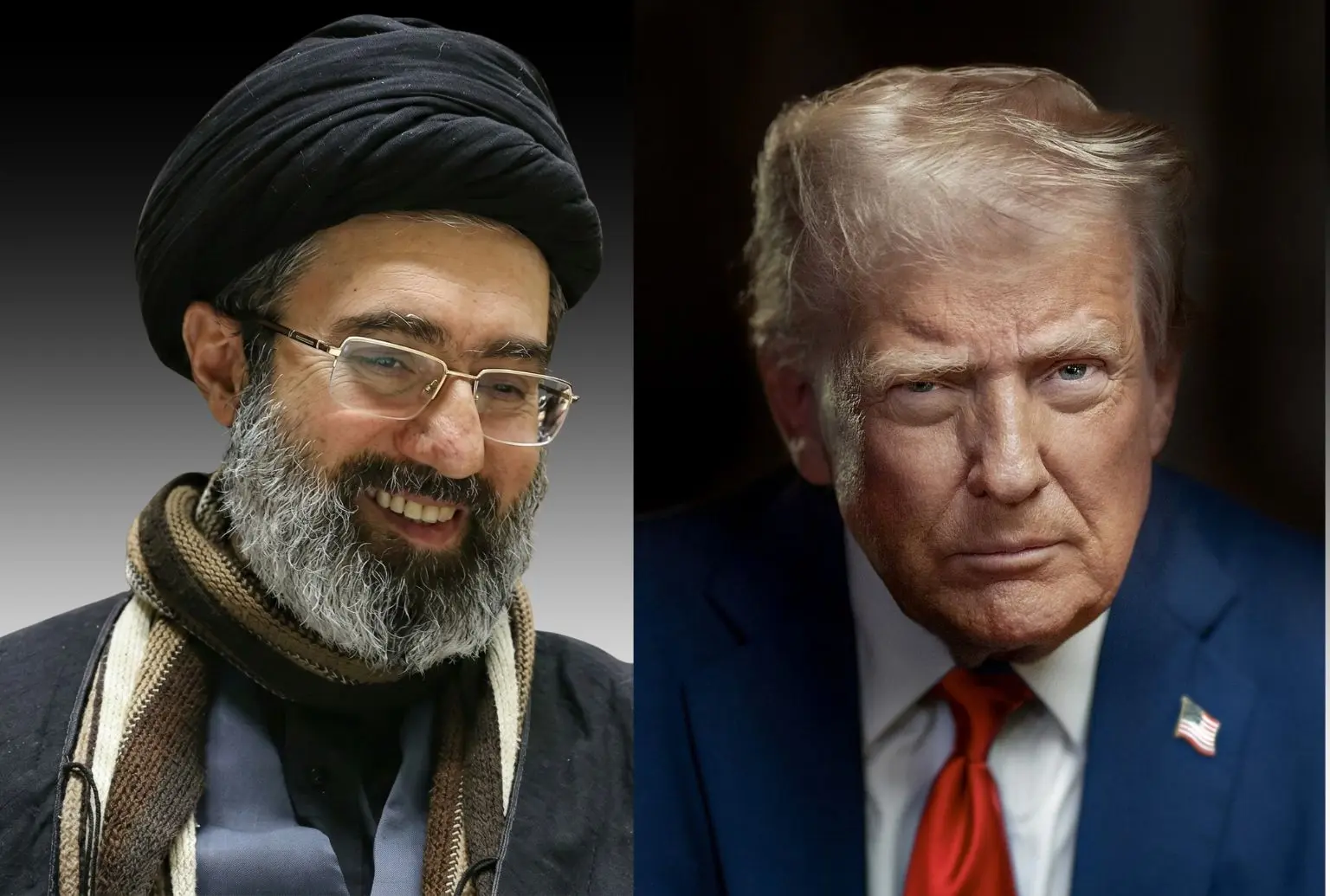
According to reports from international media outlets, Iranian Foreign Minister Abbas Araghchi has stated that his country is not currently engaged in negotiations with the United States to end the ongoing conflict. This clarification follows claims from White House Press Secretary Karoline Leavitt suggesting that productive discussions were already underway between the two nations.
Minister Araghchi confirmed that messages have been received from Washington through various friendly nations regarding a fifteen point plan. He emphasized that the exchange of these messages does not constitute formal negotiations or direct dialogue at this stage. The minister indicated that senior leadership in Tehran is currently reviewing the ideas presented in the American document.
Diplomatic Proposals Surface
The reported American proposal includes strict requirements for the Iranian government to cease all efforts toward obtaining nuclear weapons capabilities. It demands that Tehran dismantle its existing nuclear facilities and stop all uranium enrichment activities immediately. These points align with long standing American foreign policy goals regarding Iranian regional influence and military capacity.
Further demands in the plan require Iran to significantly limit the range and quantity of its missile programs. The United States also insists that Tehran terminate financial and military support for regional proxies including Hezbollah in Lebanon, Hamas in Gaza, and Houthi rebels in Yemen. Such measures are intended to reduce the volatility of the current Middle Eastern security landscape.
A critical component of the American proposal involves the immediate reopening of the Strait of Hormuz to ensure free maritime passage. The closure of this strategic waterway has led to a significant increase in global oil and gas prices. International economists warn that continued blockage could trigger a global recession due to energy supply chain disruptions.
Regional Conflict Origins
The current hostilities began on February 28 following a series of air strikes conducted by American and Israeli forces against Iranian targets. Iran responded by targeting American allies within the Persian Gulf region which rapidly escalated the localized tension into a broader military confrontation. This cycle of violence has resulted in significant casualties and infrastructure damage across multiple territories.
Israeli media outlet Channel 12 reported that these fifteen demands are largely identical to the terms offered before the outbreak of the war. Prime Minister Benjamin Netanyahu has previously stated his intention to neutralize Iranian leadership to ensure Israeli national security. This strategy has been described by Israeli officials as cutting the head of the octopus to disable its regional limbs.
Iran maintains that its nuclear activities are entirely peaceful and that it has no intention of developing atomic weaponry. However, Tehran suspended international inspections of its nuclear sites following heavy bombing raids on its military bases last November. This lack of transparency has heightened concerns among global nuclear watchdog agencies regarding the true status of Iran’s technical progress.
Mediation Efforts Underway
Reports suggest that Pakistan has played a central role in delivering the American proposals to the Iranian government. Other regional powers including Turkey and Egypt are also actively involved in diplomatic efforts to broker a sustainable ceasefire. The Egyptian Foreign Minister confirmed a recent discussion with his Iranian counterpart to explore potential pathways for de-escalation.
President Donald Trump has expressed a strong interest in concluding the conflict through what he describes as a strategy of wrapping up the war. He recently mentioned that Iranian negotiators had offered a significant gift related to the energy sector. While he did not provide specific details, he indicated that he is working with the right people to achieve a resolution.
The American diplomatic mission is being led by Middle East envoy Steve Witkoff and presidential advisor Jared Kushner. Their strategy is reportedly modeled after previous peace frameworks used to address conflicts between Israel and various regional actors. Success however depends on the willingness of both Tehran and Tel Aviv to accept a formal ceasefire agreement before substantive talks begin.
Future Security Outlook
The White House has issued stern warnings that failure to accept the proposed terms could lead to an unprecedented military escalation. Press Secretary Karoline Leavitt cautioned that the President is prepared to create a scenario of extreme hardship for the Iranian regime. She stressed that Tehran should not underestimate the resolve of the American administration in this matter.
Iran has responded with five specific conditions of its own which include a total cessation of assassinations targeting its political and military leaders. Tehran is also demanding financial compensation for war damages and the maintenance of full control over the Strait of Hormuz. These competing conditions suggest that a quick resolution remains elusive despite the intensity of international mediation.
Meanwhile the United States continues to deploy additional military personnel and hardware to the region to maintain pressure. Observers suggest these forces could be used to forcibly reopen maritime routes or occupy strategic Iranian territories if diplomacy fails. The presence of these troops serves as a physical manifestation of the threats issued by the White House during this tense period.
Frequently Asked Questions
What are the main US-Iran Conflict Demands?
The primary demands include the total dismantling of Iran’s nuclear program, ending missile development, and stopping the funding of regional proxies like Hezbollah and Hamas.
How is the US-Iran Conflict Demands affecting the economy?
The closure of the Strait of Hormuz has caused a spike in global energy costs, raising fears of a worldwide recession if maritime trade is not restored soon.