

 Digitally Generated
The Strategic Calculation Behind the Potential Collapse of the American Petrodollar Era
The evolving confrontation between the United States and Iran has transcended regional border disputes and ideological posturing. It is rapidly transforming into a structural threat against the foundational pillars of the global financial system. According to Chinese Canadian educator and geopolitical analyst Professor Jiang Xueqin, the current escalation is the culmination of two decades of meticulous Iranian preparation. Washington finds itself entangled in a grueling war of attrition that its military industrial complex is ill equipped to fight. The stakes extend far beyond the immediate geography of the Middle East. They reach directly into the heart of the American economy, threatening the dominance of the petrodollar and the stability of modern technological investments.
The Vulnerability of Gulf Infrastructure
Professor Jiang argues that Iran views this conflict through a profound ideological lens, treating it as a definitive struggle against Western hegemony. However, their strategy is grounded in highly pragmatic asymmetrical warfare. Through a sophisticated network of allied proxy groups including the Houthis, Hezbollah, Hamas, and various regional militias, Tehran has spent years studying American military doctrine and psychological responses. A critical testing phase occurred last June during a twelve day exchange that allowed Iranian forces to gauge the operational capacities of both American and Israeli defense systems. Following this, Tehran utilized an eight month window to refine its offensive architecture.
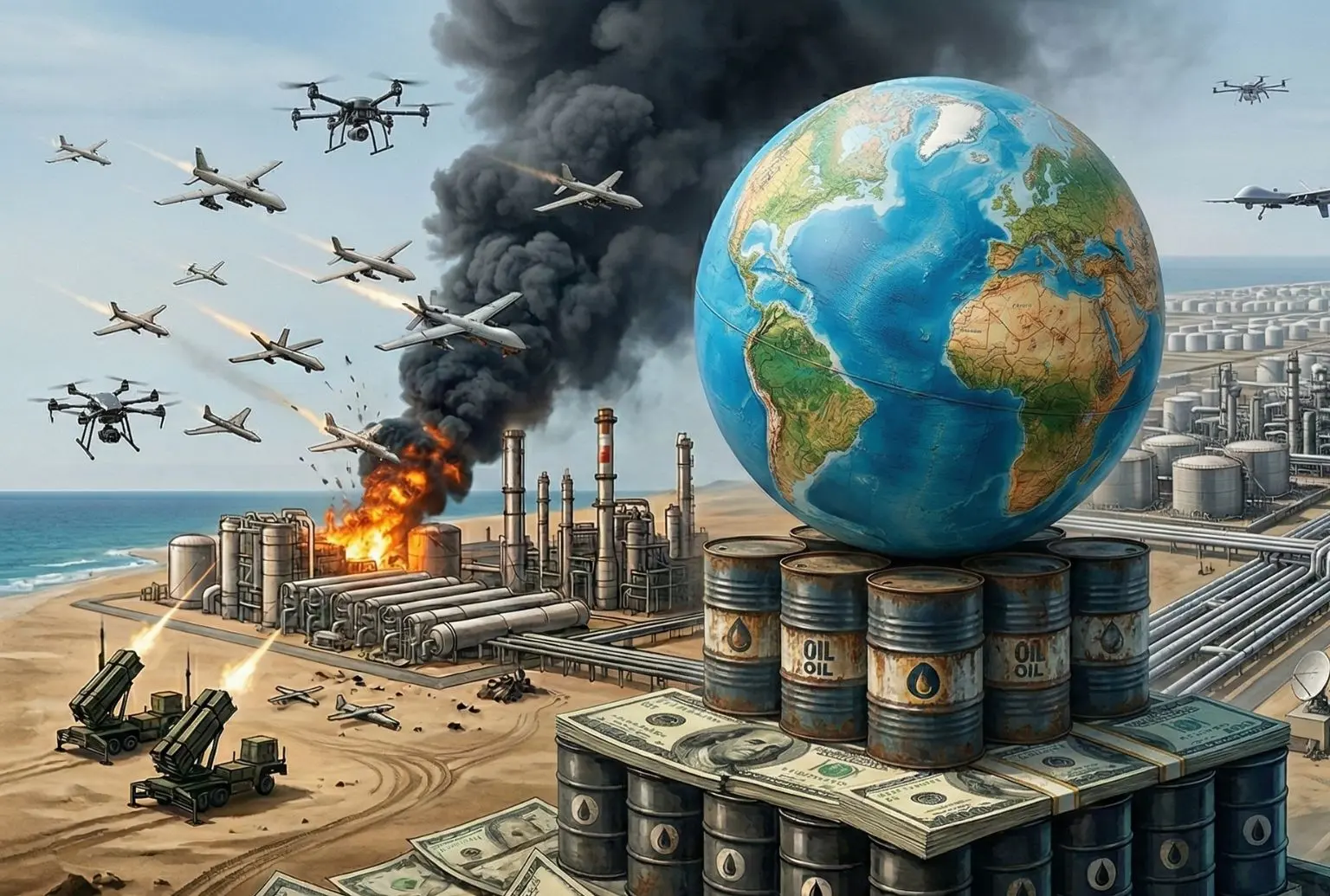
The primary target of this refined strategy is not merely the United States military presence, but the broader economic ecosystem that sustains American global power. The Gulf Cooperation Council nations represent the weakest link in this chain. Iran has recognized that striking directly at the United States is less effective than crippling the energy and civil infrastructure of Washingtons closest regional allies. Desalination plants stand out as the most critical vulnerability. Countries like Saudi Arabia and the United Arab Emirates rely on these facilities for roughly sixty percent of their fresh water supply. A fleet of inexpensive drones, costing roughly fifty thousand dollars each, could devastate a major facility supplying Riyadh. A city of ten million people could face catastrophic water shortages within two weeks. The practical closure of the Strait of Hormuz chokes off vital supply lines, considering Gulf nations import ninety percent of their food through these maritime routes. This reality places the very existence of nations like Saudi Arabia, Bahrain, and Qatar under immediate threat.
The Petrodollar and the Artificial Intelligence Bubble
The vulnerability of the Gulf states presents an existential crisis for the American economy. The modern United States financial system relies heavily on the petrodollar recycling mechanism. Gulf nations sell their energy resources exclusively in American dollars and subsequently reinvest those massive capital reserves into United States financial markets. Currently, a significant portion of this Gulf capital is propping up the booming artificial intelligence sector and financing massive data center expansions across America.
If Iran successfully disrupts the flow of Gulf oil or forces these nations to divert their wealth into emergency defense measures, the influx of foreign capital into Wall Street will abruptly halt. Professor Jiang warns that this disruption would burst the current artificial intelligence investment bubble. He describes the current trajectory of the American financial system as dangerously speculative, suggesting that a collapse of Gulf investments could trigger a catastrophic domestic economic contraction. The petrodollar system, which has cemented the dollar as the global reserve currency for decades, faces unprecedented peril.
The Asymmetry of Modern Warfare
The tactical realities on the ground further exacerbate Washingtons strategic dilemma. The American military apparatus was explicitly designed after the Second World War to project overwhelming technological superiority during the Cold War. It relies on highly complex and astronomically expensive weapon systems designed for conventional state on state combat. This model is proving wholly unsustainable in the current theater.
The economic imbalance of the present conflict is staggering. The United States frequently deploys interceptor missiles costing millions of dollars each to neutralize basic drones that cost a fraction of that amount. This financial mismatch perfectly illustrates a war of attrition where the wealthiest power can be bled dry by a patient adversary utilizing cheap accessible technology. According to the analysis, this unsustainable dynamic marks the beginning of the end for the perception of American military invincibility. As this realization spreads globally, the transition toward a multipolar world order accelerates.
The Dilemma of Ground Intervention
Air superiority alone has historically proven incapable of executing successful regime change or permanently neutralizing a deeply entrenched adversary. The elimination of the Iranian threat would necessitate a massive deployment of ground forces. Over the coming months, immense pressure will likely mount from both Israel and Gulf nations demanding direct American military intervention to secure their survival. If the Gulf monarchies fall, the petrodollar falls with them.
However, the political appetite for a Middle Eastern ground war is virtually nonexistent among the American public. Early public opinion polls indicated massive opposition to even preliminary airstrikes. This places the United States government in an impossible position. Gulf states may eventually face a stark choice between paying billions of dollars to Tehran to buy peace or desperately coercing the United States into a ground invasion that could spark a broader global catastrophe.
Regional Desperation and Hidden Motives
The internal pressures within Saudi Arabia add another volatile layer to the crisis. For Riyadh, a theocratic Iran represents a permanent existential threat. The Saudi economy remains overwhelmingly dependent on petroleum exports. Ambitious domestic diversification efforts, including luxury tourism initiatives, competitive gaming ventures, and the futuristic Neom city project, are struggling to generate the necessary alternative revenue streams. Saudi leadership allegedly views absolute control over regional oil and the removal of the Iranian government as vital for their long term survival. Reports suggest Riyadh has actively encouraged aggressive strikes against Iran, even offering the use of its airspace to allied forces.
Professor Jiang identifies three potential driving forces behind the continuation and escalation of this conflict. First is the inherent hubris of powerful empires, where past successes breed a dangerous overconfidence that ignores shifting global realities. Second is the pursuit of domestic political advantage. Certain political figures could leverage a wartime emergency for personal and electoral gains, especially considering the deep financial ties between Gulf sovereign wealth funds and prominent American political families. Finally, there is an eschatological dimension. Various global elite factions and ideological groups view a sweeping conflict in the Middle East as a necessary catalyst for achieving deeply held end times theological objectives or establishing new global paradigms.
The confrontation unfolding in the Middle East is far more than a regional security crisis. It is a meticulously calculated assault on the financial and military architecture that has sustained American global dominance for over half a century. As inexpensive drones neutralize million dollar defense systems and the threat of infrastructure collapse looms over the Gulf, the foundational elements of the petrodollar era are fracturing. The decisions made in Washington over the coming months will determine not only the fate of the Middle East but the future structure of the entire global economy.