
Riyadh’s Statement of Support
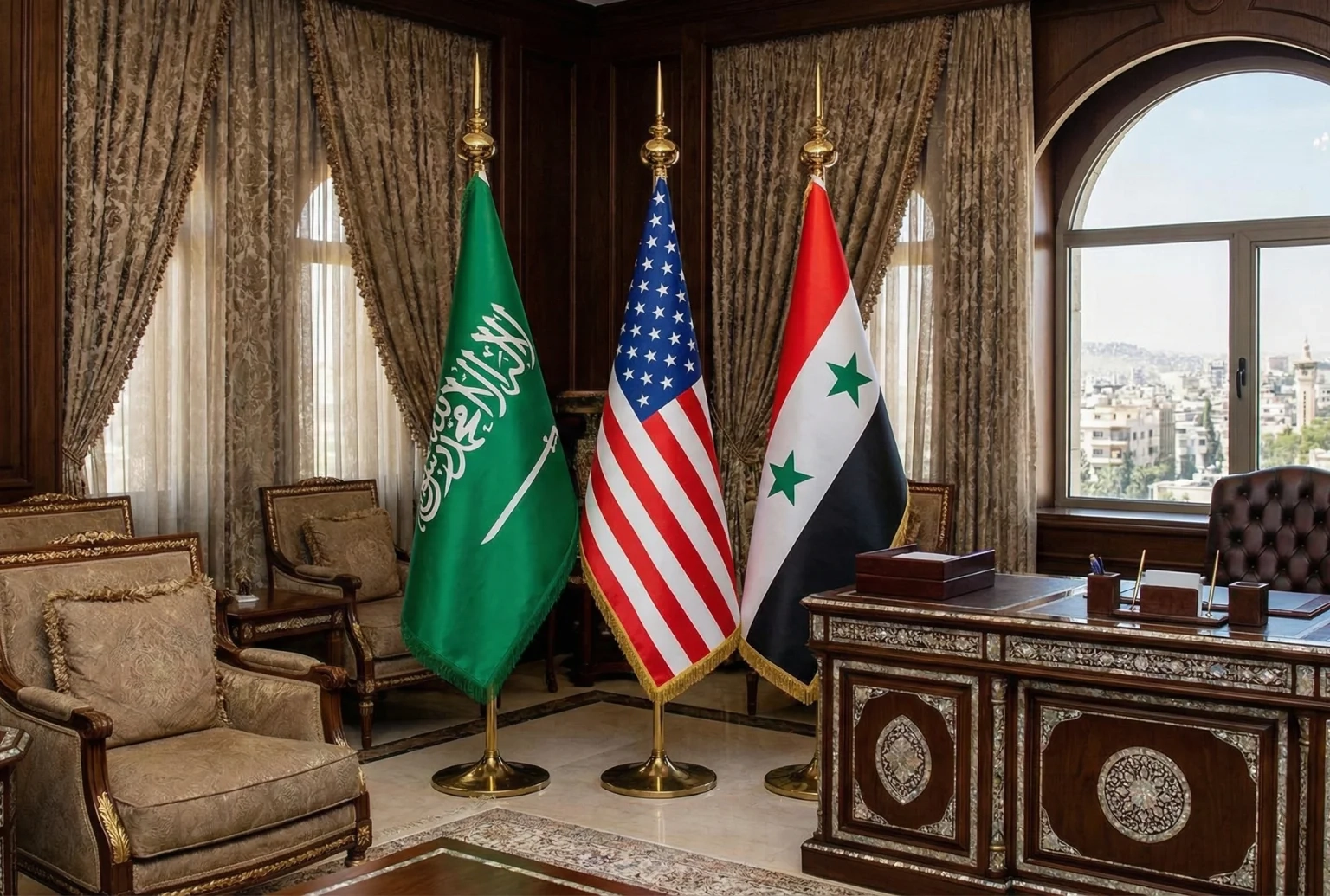
Saudi Arabia has welcomed the United States’ decision to lift the Caesar Act sanctions on Syria, describing it as a historic step toward stability and reconstruction. In a statement, the Saudi Ministry of Foreign Affairs said the move would support Syria’s stability, prosperity, and development, fulfilling the aspirations of the Syrian people.
The ministry praised the “positive role” of US President Donald Trump, noting that the process began with his announcement during a May 2025 visit to Riyadh and culminated in his signing of the 2026 National Defense Authorization Act, which formally repealed the Caesar Act. Riyadh extended congratulations to Syria’s leadership and people, emphasizing its commitment to stand with Damascus during what it called a historic phase of rebuilding a united, sovereign, and secure Arab state free from terrorism and external interference.
Background on the Caesar Act
The Caesar Act, enacted in 2019, imposed sweeping sanctions on Syria’s government, financial system, and any entities supporting them. It targeted Syrian institutions as well as foreign backers, including Russian and Iranian financiers, along with companies investing in Syria’s infrastructure.
International media reports highlight that the sanctions were originally intended to pressure Damascus over human rights abuses during the civil war. However, critics argued that the restrictions blocked reconstruction projects and hindered Syria’s reintegration into global financial markets.
Syrian and Regional Reactions
Damascus welcomed the repeal, calling it the result of years of diplomatic lobbying by Syrian expatriates, US‑based Syrian organizations, and allied states. The Syrian Central Bank governor, Abdelqader al Hosri, said the move removes a major legal obstacle to Syria’s participation in the international financial system. He acknowledged that Syria’s credit rating may initially remain low but stressed that the repeal opens opportunities for a sovereign rating and access to global capital markets.
Regional states, including Turkey and Gulf countries, also praised the US decision, framing it as the beginning of a new chapter of recovery, reconstruction, and cautious international re engagement.
Saudi Arabia’s Diplomatic Role
International outlets note that Riyadh played a significant role in pressing Washington to lift the sanctions. During Trump’s 2025 visit, Saudi officials reportedly used their diplomatic leverage to argue that ending unilateral restrictions was essential for Syria’s reconstruction and the return of refugees.
Saudi Foreign Minister Prince Faisal bin Farhan reiterated that the Kingdom stands with the Syrian people, supporting efforts to rebuild institutions, restore stability across all territories, and create conditions for displaced citizens to return home.
The Road Ahead
The repeal of the Caesar Act marks a turning point in Syria’s post war trajectory. While challenges remain, including rebuilding infrastructure, restoring trust in financial institutions, and addressing political divisions, the lifting of sanctions is expected to unlock investment opportunities and accelerate reconstruction projects.
For Saudi Arabia, the move also strengthens its regional diplomacy, positioning Riyadh as a key player in shaping Syria’s reintegration into the Arab and international community.