

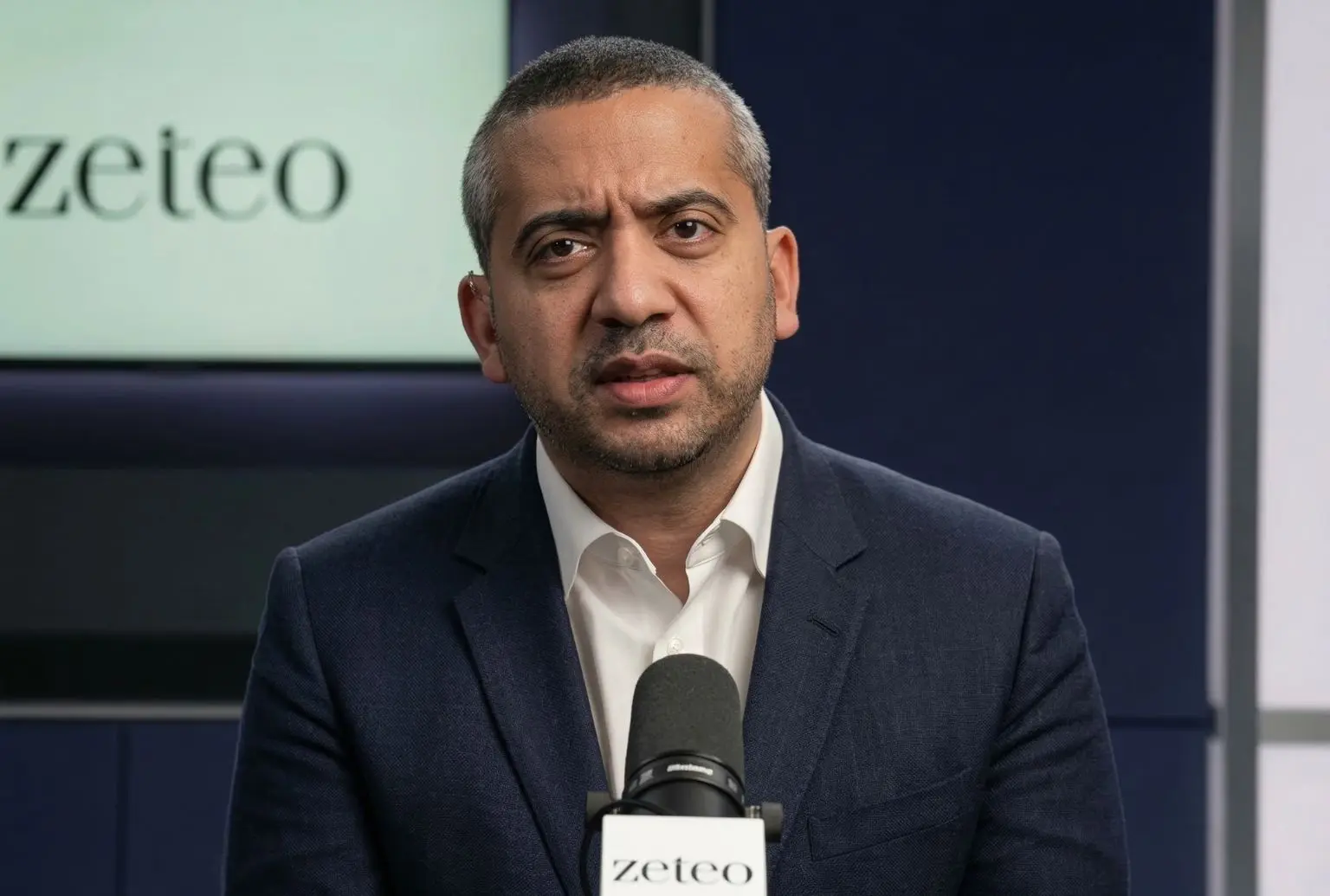
 Screen Grab
In a detailed interview with Times News, prominent broadcaster Mehdi Hasan has voiced strong opposition to the recent US military strikes in Iran conducted by the Trump administration. Hasan characterized the military action as a war lacking justification. He argued that the operations proceeded without a coherent long term strategy
Strike Strategy
Hasan argued that the administration has failed to articulate a clear mission or an effective exit strategy for its military operations. He pointed to specific statements from Secretary of State Marco Rubio as evidence of this confusion. Rubio indicated the United States struck first because officials believed Israel was preparing to attack Iran.
Also read: Who Is The Secretive 56 Year Old Cleric Now Controlling Irans Future?
Hasan dismissed this logic as a complete distortion of the traditional definition of an imminent threat. He believes that pre-emptive strikes based on the actions of a third party create a dangerous precedent. This approach lacks the tactical foresight necessary for maintaining international order and regional stability.
The broadcaster emphasized that military force should always be a measure of last resort rather than a primary tool. He noted that the lack of planning suggests the administration is reacting to events rather than leading them. This reactive posture could lead to a prolonged conflict with no clear end in sight.
Nuclear Verification
The discussion also focused on the claims surrounding Iran’s nuclear capabilities which have been used to justify military force. Hasan cited official reports from the International Atomic Energy Agency to challenge these assertions. According to these findings Iran does not currently possess an active nuclear weapons program.
This factual contradiction suggests that the military action was based on flawed intelligence or political motivation. Hasan highlighted that Iranian officials were actually engaged in good faith negotiations with the United States just weeks before. These talks were disrupted by the sudden shift toward kinetic military action.
Also read: US B-1 Bomber Arrives at RAF Fairford Amid Iran Missile Concerns
The abandonment of diplomatic progress is viewed as a significant setback for non proliferation efforts in the region. Hasan argues that destroying the trust built during negotiations makes future agreements nearly impossible. He insists that verification through international monitors is more effective than unilateral strikes.
Regional Blowback
The interview addressed the heightened risk of terrorism and regional instability following the assassination of a foreign head of state. Hasan warns that such actions will inevitably provoke blowback and increase the likelihood of retaliatory attacks. He drew direct parallels to the warnings given by experts before the 2003 Iraq War.
Rather than securing the region these strikes may have created a power vacuum and fueled extremist sentiment. Hasan believes that the cycle of violence will only escalate if the United States continues to bypass international law. The potential for unintended consequences remains a primary concern for seasoned security analysts.
Also read: Middle East Crisis Explained
Hasan also took a moment to commend the British government for its refusal to participate in the military action. He was particularly critical of former Prime Minister Tony Blair for suggesting that the United Kingdom should have joined. Current leadership was described as being smart for ignoring advice that would lead to further involvement in Middle Eastern conflicts.
Diplomatic Future
While acknowledging the long standing grievances between Washington and Tehran Hasan insists that diplomacy is the only viable path forward. He argued that decade long issues cannot be solved through illegal warfare or tactical strikes. A sustainable peace requires a commitment to dialogue and the recognition of mutual interests.
One of the most striking points in the interview was the mention of tactical incompetence regarding the strikes. Hasan claimed that the United States accidentally killed the very Iranian leaders they had reportedly intended to negotiate with later. This error highlights a catastrophic lack of coordination between military and diplomatic branches.
Also read: The Truth On Modern US-Iran Conflict Dynamics Is Now Revealed
The broadcaster concluded that the current trajectory will only worsen international relations and put more lives at risk. He called for a return to established diplomatic frameworks and a departure from unilateral military interventions. The focus should remain on de-escalation rather than the expansion of military presence in the Persian Gulf.
Frequently Asked Questions
What is the primary criticism of the US military strikes in Iran?
Critics like Mehdi Hasan argue that the strikes lack a clear strategic plan and a valid justification under the definition of an imminent threat.
Does Iran have a nuclear weapons program according to the IAEA?
According to reports from the International Atomic Energy Agency cited in the interview Iran does not possess an active nuclear weapons program.
What are the predicted consequences of the military action?
Analysts warn that the strikes could lead to increased regional terrorism and blowback while undermining long term diplomatic efforts in the Middle East.