

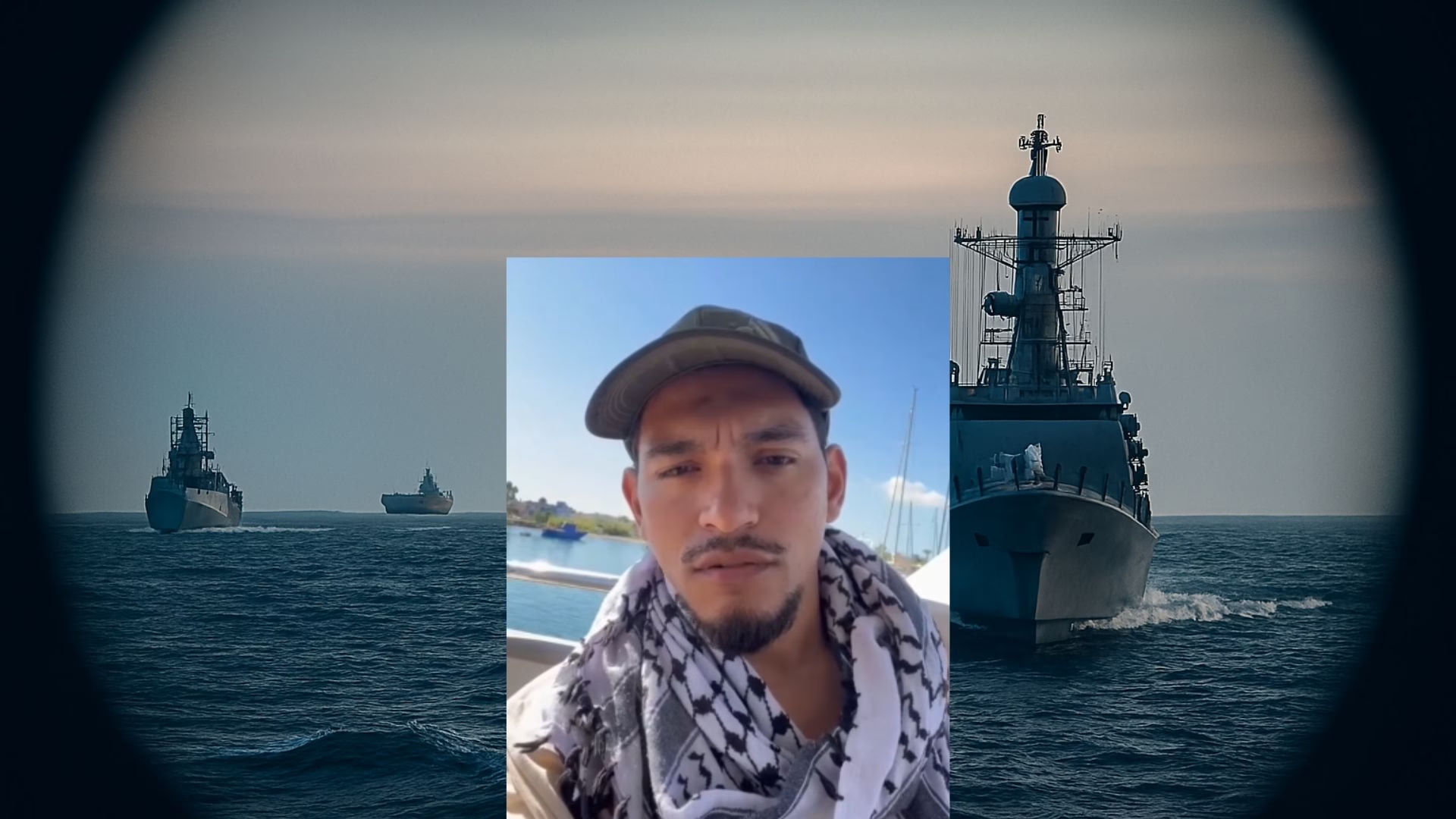
Lahore – Uzair Nizami, a Lahore-born Pakistani citizen, recently became one of only two Pakistanis to join the Sumud Flotilla, a multinational convoy attempting to deliver humanitarian aid and highlight the plight of Palestinians. The other Pakistani participant was former Senator Mushtaq Ahmad Khan.
In an interview on Dawn News’ program Zara Hat Kay, Nizami recounted his experiences, describing the voyage as both dangerous and transformative. He emphasized that his decision to join the flotilla had been made in 11th hour.
A Decision Rooted in Conviction
Nizami explained that he and his colleagues had been discussing Palestine for months. “We had already decided to join the Sumud Flotilla,” he said. After contacting the organizers, he was told Pakistan’s representation would be welcomed. His family, friends, and students encouraged him, remarking that he was not just speaking about solidarity but proving it through action.
Prepared for the Risks
Before departure, participants were briefed on the dangers. “We were told it was possible we might be killed instantly. Yet, despite knowing this, we set sail leaving behind our homes, our families, and everything we owned,” Nizami recalled.
The Voyage Across Rough Seas
The flotilla, initially larger, was reduced to 44 ships due to technical issues. Nizami’s vessel, the “mother boat”, carried people from multiple countries and was tasked with coordinating the convoy. The sea journey was grueling, with 8–10 foot waves battering the ship and destroying its interior. At night, Israeli drones hovered dangerously close, conducting surveillance. Instead of instilling fear, this only strengthened the resolve of the passengers.
The Interception: Israeli and Indian Warships
The most dramatic moment came when the flotilla was intercepted. “We were chased for nearly an hour by 12 massive warships,” Nizami said. “Among them, one clearly carried the Indian flag.”
This claim, if accurate, suggests that India may have provided naval support to Israel during the interception, a detail that adds a controversial dimension to the encounter. While international media has reported Israeli naval actions against the flotilla, Nizami’s testimony introduces a new angle by alleging visible Indian involvement.
Symbolism Over Supplies
The flotilla’s purpose was not only to deliver aid but also to send a symbolic message. “The humanitarian supplies were an emblematic gesture to remind the world of its responsibility toward Palestine,” Nizami emphasized.
The convoy carried nationals from 44 countries, with strong European representation. Nearly 500 people had intended to reach Gaza, but only a fraction managed to sail due to logistical and visa hurdles. From Pakistan, six were initially set to join, but only two succeeded: former Senator Mushtaq Ahmad Khan and Uzair Nizami.
Arrival in Cyprus and Return
After navigating international waters for 24 hours under constant threat, his boat reached Cyprus. From there, Nizami eventually returned to Lahore via Qatar.
A Pakistani Voice in Global Solidarity
For Pakistan, Nizami’s participation marked a rare moment of direct involvement in an international humanitarian mission of this scale. His claim about the Indian warship sailing alongside Israeli forces will likely fuel further debate about regional alignments in the Gaza conflict.
As he concluded in his interview, “We knew Israeli aggression could lead to any outcome. But we also knew that silence was not an option.”