
 Meta
Meta

While missiles dominate headlines, a quieter story is unfolding at sea.
War is often presented to the world as loud. It roars through breaking news alerts, flashes across screens and carves its presence into public consciousness through images of fire, destruction and retaliation. The same scenario is presented in case of ongoing tensions among the United States, Israel and Iran.
It shows all that familiar script of missiles launched, alliances tested and power displayed in most visible, forceful form. But wars are never only fought in the open.
Far away from such bullets, missiles noise, away from spectacle, there are quieter movements that happen or take place that carry some deep meaning. In the geopolitical world, not every decision is made. Not every signal is shown or spoken. Some are simply allowed to pass literally.
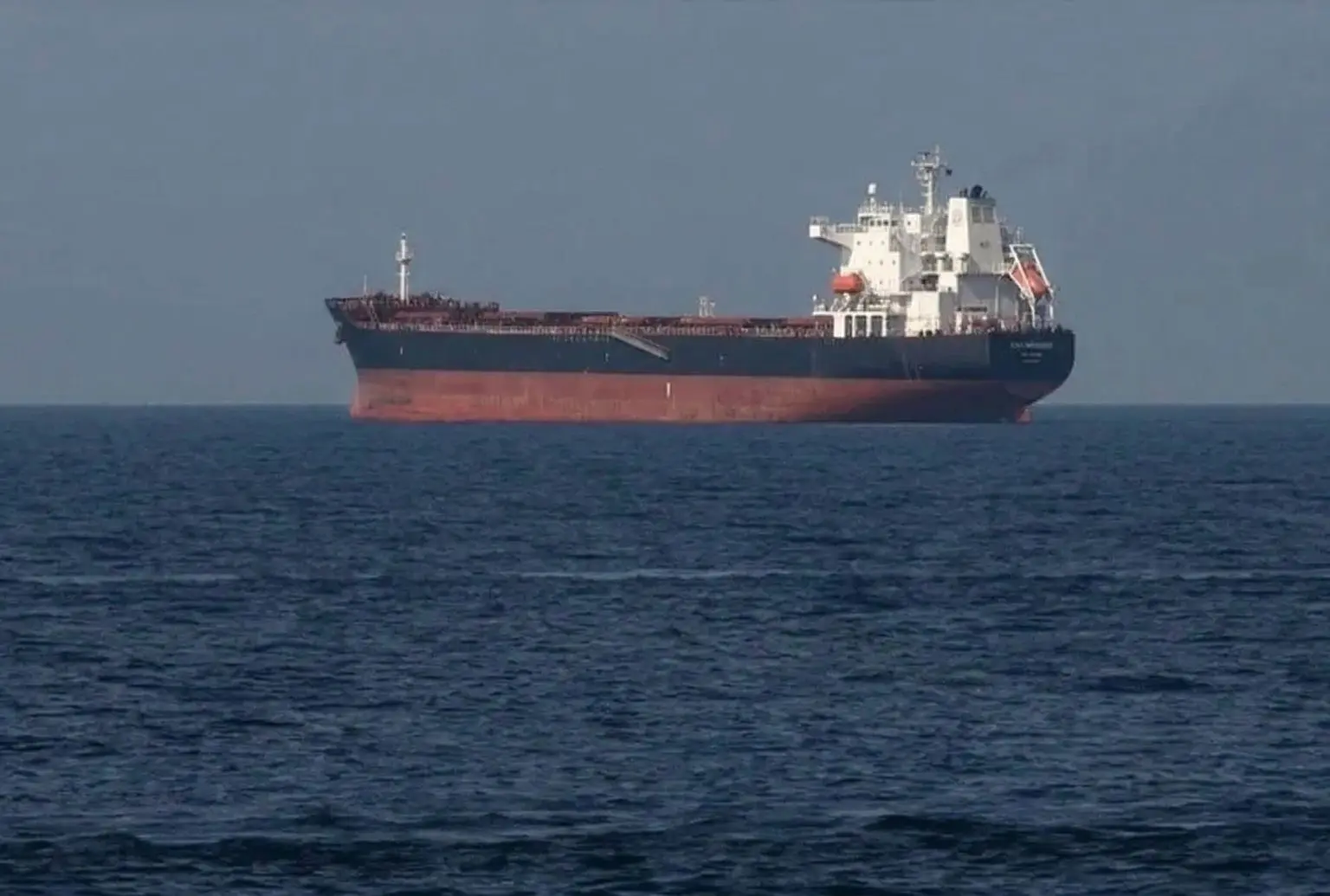
And in the narrow, geopolitically charged waters a strait of Hormuz, such a movement has been taking place. Not of warships. Not of fleets preparing for confrontation. But of Pakistani flagged vessels granted passage in a moment when access itself has become a form of power.
The Strait of Hormuz is not just a waterway. It is the world’s most important chokepoint which allows 20 percent of the world’s oil to pass. In times of stability, it is too busy. In times of conflict it becomes tense watched, calculated and at times restricted. Today it stands at the center of a growing crisis.
Naval presence has intensified. Every moment through these waters is now weighed and questioned. And yet, during this intense tightening environment, a quiet exception has emerged.
At first glance, it may seem like a logistical detail. A minor operational allowance in a large conflict. But in geopolitics, nothing is ever just logistical. Permission is never accidental. And in times of war, even the smallest Corridor can reveal the largest truths.
The immediate question is simple: why Pakistan? Why in such a region that is defined by suspicion and strategic hostility, would one state allow another such consistent passage while tensions remain high?
The answer lies not in a single policy but in a carefully maintained posture one that Pakistan has spent years, if not decades shaping. It is not aligned militarily with Iran, nor is it positioned as an adversary. At the same time, it maintains complex, multifaceted relationships with key global and regional players, including the United States and Gulf states.
This positioning is not accidental. It is exclusively deliberate. In Islamabad, diplomatic efforts have been underway quiet meetings, indirect communications, attempts to ease tensions between parties who no longer trust direct dialogue. Pakistan has stepped into the role of bridge, carrying messages where formal channels have fractured.
And in such roles trust becomes currency. The passage of ships, then, is not merely about trade. It is about that trust, which Pakistan had gained through diplomacy. In times of peace, diplomacy is conducted through systems, agreements, and formal negotiations. Allowing Pakistani vessels to pass through a sensitive maritime choke point during the period of tensions is one such decision. It clears some things at once:
That Pakistan is not viewed as an adversary.
That its neutrality is recognized and valued.
That it remains a channel worth keeping open.
In a region where access can be denied as a show of strength, granting access becomes an equally powerful gesture. It is, in diplomacy without words and more importantly, diplomacy that works.
Pakistan has a power that knows how to balance relationships. In West Pakistan lies Iran, with which it shares a border with Iran and religious ties. In south and west lies Gulf states, as Pakistan has deep economic and strategic ties with Saudi Arabia, and has long, complex and strategic relations with the US. These relationships do not always align. Sometimes they offer demands to pull in different directions. Maintaining balance among them is not easy. It demands calculation at times and sometimes silences too.
Still, Pakistan has balanced its position during this conflict, which is mostly tough, it needs appreciation. This is a different kind of strength.
While the attention is on the Strait of Hormuz, the implications extend beyond it. If instability in key choke points continues, alternative routes and safe harbor will gain importance. In these facilities, like Karachi Port, take on new significance not as replacement but as complement.
According to the Reports, the annual volume transshipment was 8300 containers in 2025, but during this conflict the cargo transshipment reached 8860 containers in 21 days. Such a shift does not happen overnight. But crises often accelerate what was already possible. And those are prepared geographically, diplomatically and strategically standard to benefit.
For years, Pakistan has often been viewed through limited lenses security concerns, economic strain, political instability. These narratives are not entirely unfounded. But they are incomplete. They overlook moments like this. Moments where the state acts not as a passive observer but a capable participant shaping outcomes, even if subtly. Maintaining balance in a polarized environment requires discipline, patience and wisdom to know when to speak and when to remain silent.
It also requires credibility. And credibility once established reveals itself in ways that may not be visible but are always meaningful. The passage of ships is one such moment undramatic, almost invisible, yet deeply revealing for those willing to look beyond the obvious.
In conflicts measured by Firepower, true strength is rarely the loudest. It is found in those who sustain balance, preserve access and retain trust when everything else begins to fracture. And in the end, the real question is not who dominated the moment, but who shaped what came after it.