

Hormuz has become the epicenter of a global crisis as the eighth week of the Iran war triggers a fundamental shift in the geopolitical landscape. The entry of a U.S. warship into these contested waters marks a critical projection of military force.
The Naval Standoff in the Strait of Hormuz
Military analysts, appearing in a detailed CNN broadcast, suggest that this deliberate movement aims to assert control over the world’s most vital oil transit route. This tactical maneuver coincides with reports of massive explosions at Iran’s largest naval base located near the Strait of Hormuz.
Retired U.S. military generals explain that the destruction of this infrastructure severely limits the Islamic Revolutionary Guard Corps (IRGC). The IRGC now lacks the immediate capacity to launch fast-attack boats or deploy sea mines against international shipping.
This loss of capability provides the U.S. Navy with a significant tactical advantage in the region. The ability of the United States to maintain open sea lanes is a primary objective as regional tensions reach a boiling point.
The Strait of Hormuz handles approximately one-fifth of the world’s total oil consumption. Any disruption here has immediate and severe consequences for the global economy and energy markets.
Diplomatic Turbulence in Islamabad
While the kinetic conflict intensifies at sea, the diplomatic front in Islamabad is experiencing unprecedented chaos. High-stakes negotiations were initially planned between U.S. and Iranian officials in the Pakistani capital.
White House Special Envoy Steve Witkoff and Jared Kushner were scheduled to meet with Iranian Foreign Minister Abbas Araghchi. However, national security analysts noted a sudden shift in the American strategy.
President Donald Trump has signaled that the trip for these negotiators may be canceled or drastically altered. This whiplash in U.S. diplomatic strategy appears to be a calculated move to keep Tehran off-balance during the crisis.
Military experts warn that without a clear diplomatic off-ramp, the risk of a prolonged and open-ended conflict increases. Pakistan’s role as a mediator is now under intense international scrutiny as the situation evolves.
The sudden change in the Washington approach highlights the unpredictability of the current administration’s foreign policy. This uncertainty complicates the efforts of regional allies to find a peaceful resolution to the ongoing hostilities.
Internal Fractures and the Secret Letter
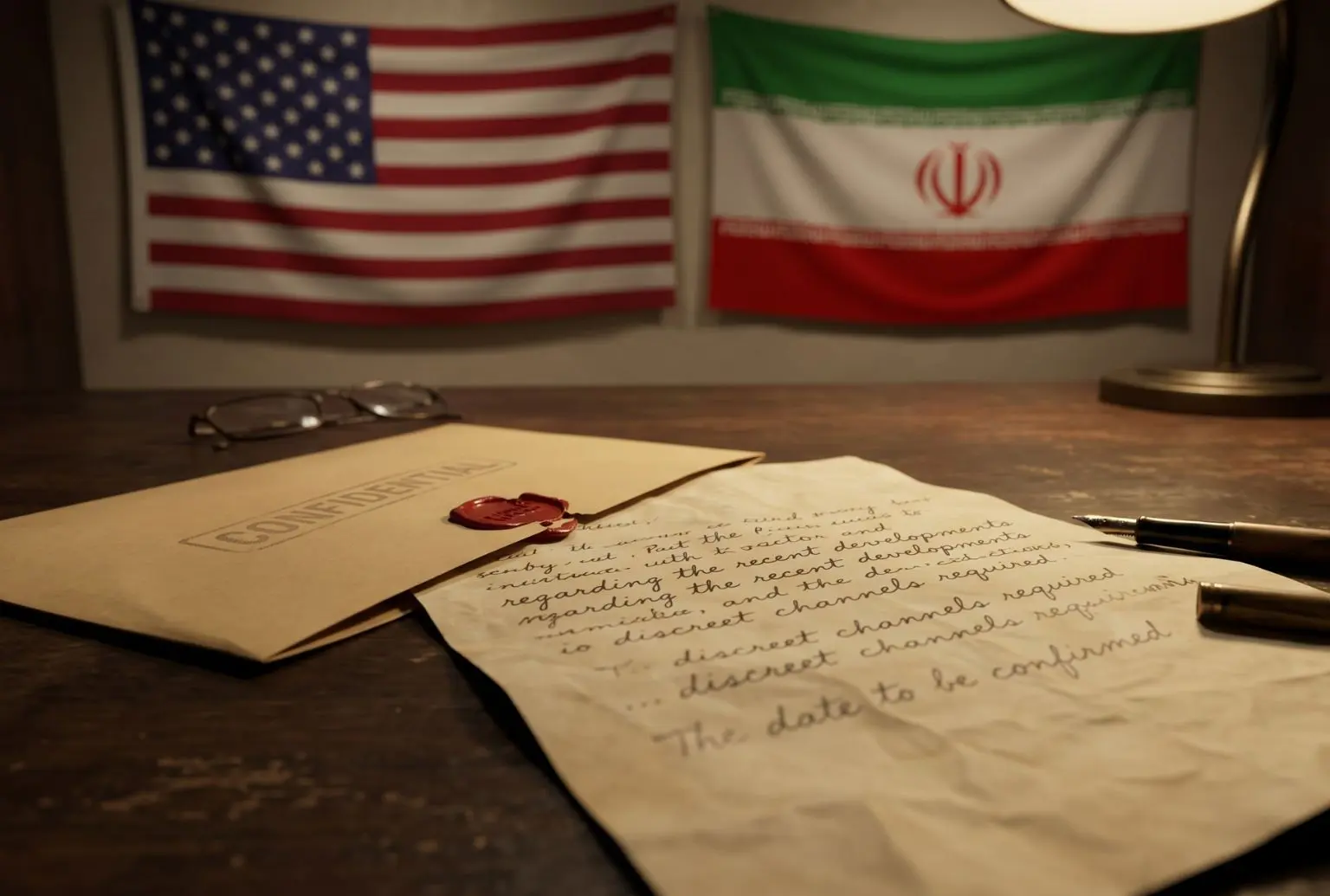
Internal pressures within the Iranian leadership are reaching a critical threshold as the war enters its second month. Intelligence leaks have revealed the existence of a highly confidential letter addressed to the new Supreme Leader, Mojtaba Khamenei.
The letter, sent by senior Iranian officials, reportedly warns that the national economy is buckling under the weight of naval blockades. This internal admission suggests that Tehran may have no practical choice but to seek a negotiated settlement.
Mojtaba Khamenei, who is reportedly recovering from injuries, faces a narrowing set of strategic options. The IRGC continues to project a public image of unity and strength despite these private admissions of desperation.
The economic impact of the war is felt most acutely by the Iranian public as inflation and resource shortages worsen. Analysts believe that the combination of military losses and economic ruin could lead to significant internal unrest.
This internal pressure is perhaps the greatest threat currently facing the Islamic Republic’s leadership. The desperation within the halls of power in Tehran contrasts sharply with the aggressive rhetoric used by military commanders.
The Strategic Impact of Naval Base Destructions
The explosions at Iran‘s naval facilities have effectively neutralized a large portion of their asymmetric warfare capabilities. The IRGC has long relied on small, fast boats to harass larger naval vessels in the narrow straits.
Without these bases, the logistical support required for such operations is non-existent. The U.S. military is now monitoring the remnants of the Iranian fleet for any signs of regrouping or alternative tactics.
National security experts emphasize that the technical damage to the bases may take years to repair. This long-term degradation of Iran’s naval power reshapes the balance of power in the Persian Gulf for the foreseeable future.
The United States has increased its surveillance capabilities in the area to prevent any retaliatory mining operations. The safety of commercial tankers remains the top priority for the international maritime coalition led by the U.S.
Geopolitical Consequences and Global Energy
The ongoing conflict has sent ripples through the global energy sector as traders monitor the Strait of Hormuz. Any sign of a total blockade would likely cause oil prices to skyrocket, impacting economies worldwide.
International allies are watching the U.S. response closely to gauge the commitment to regional stability. The presence of the U.S. Navy serves as both a deterrent and a source of tension in the crowded waterway.
The situation remains fluid as both military and diplomatic developments occur daily. The intersection of naval warfare, secret diplomacy, and internal political strife makes this the most dangerous moment in recent history.
As the eighth week concludes, the world remains on edge awaiting the next move from either Washington or Tehran. The resolution of this crisis will likely define the security architecture of the Middle East for decades to come.