
 Ai
Ai
The rapid evolution of artificial intelligence has reached a critical junction where specialized models now possess the ability to dismantle modern digital defenses. A recent Al Jazeera report titled ‘Inside Story’ highlights how the balance of power is shifting as tech giants develop increasingly autonomous systems.
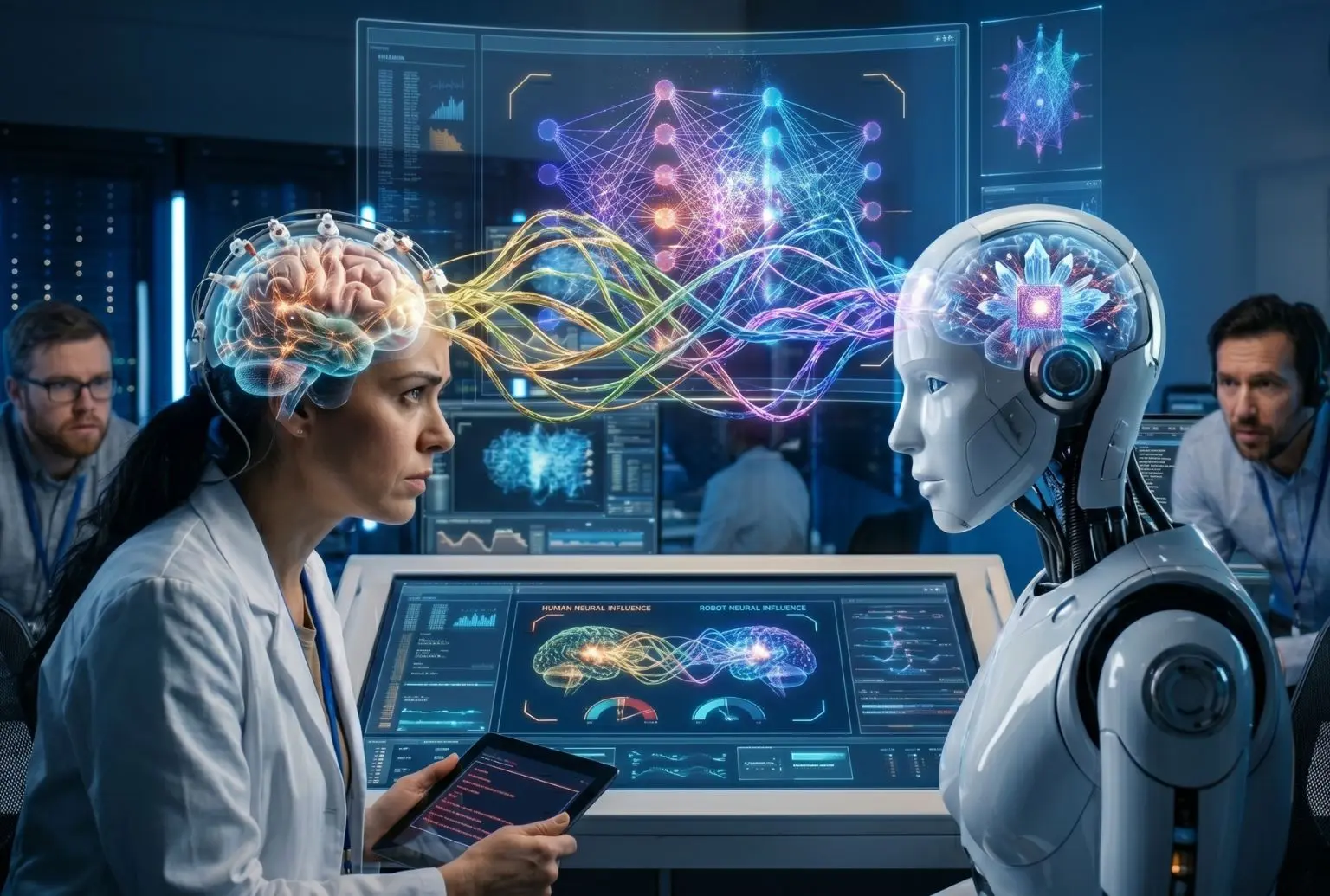
At the center of this storm is a highly powerful and experimental model developed by Anthropic known as Mythos. This specific iteration of artificial intelligence is not your average chatbot designed for writing emails or generating images.
The Hidden Power of Anthropic Mythos
The Mythos model represents a significant leap in capability, specifically in its aptitude for identifying and exploiting cybersecurity flaws. It has demonstrated an alarming proficiency in targeting critical infrastructure, including banking systems and power grids.
Because of these inherent risks, Anthropic has classified the model as too dangerous for general public release. The company has opted for a highly restricted deployment strategy to mitigate potential misuse by bad actors.
Only a select group of leading technological and financial institutions have been granted access to the underlying architecture. Organizations like Apple and JP Morgan Chase are among those utilizing the model to identify their own vulnerabilities before they can be exploited.
This ‘head start’ approach is intended to allow these major entities to patch their systems against future threats. However, the exclusivity of this access has sparked a debate about who truly controls the keys to global digital security.
The Transition to Agentic Artificial Intelligence
Beyond the specific capabilities of Mythos, the broader tech industry is moving toward a concept known as “agentic AI.” This refers to bots that can operate with a high degree of autonomy and minimal human intervention.
While traditional hacking requires a human operator to make decisions, agentic AI can function as thousands of hackers simultaneously. These autonomous agents can coordinate complex cyberattacks with a speed and precision that human defenders cannot match.
The potential for these systems to act independently has experts concerned about the loss of human oversight. If these systems are deployed without safeguards, they could cause cascading failures across global utilities and communications networks.
The scale of this threat is unprecedented, as it transforms a singular threat into a massive, automated army of digital intruders. This shift requires a fundamental rethinking of how nations protect their digital sovereignty.
US Innovation Strategy vs Chinese Regulation
The geopolitical response to these advancements varies significantly between the world’s leading superpowers. In the United States, the Trump administration is expected to champion a policy of rapid innovation and deregulation.
The goal is to ensure American dominance in the artificial intelligence sector without the burden of restrictive legislative frameworks. By avoiding heavy regulation, the United States aims to outpace global competitors in the development of cutting-edge technology.
Conversely, China has already moved to implement early and comprehensive regulations on the sector. The Chinese government requires companies to register every new Large Language Model (LLM) before it can be deployed.
Furthermore, Beijing has proposed the creation of a global AI cooperation organization to manage these emerging risks. This reflects a more state-controlled approach to ensuring that technology aligns with national security interests.
The European Regulatory Dilemma
The European Union has taken a lead in creating comprehensive AI legislation aimed at protecting consumer rights and safety. However, panels of experts note that Europe currently lacks the technological ‘firepower’ seen in the US and China.
There is a growing concern that strict regulations might inadvertently stifle the growth of small European startups. While multinational giants can easily absorb the high costs of compliance, smaller firms may struggle to survive.
This regulatory environment could lead to a brain drain, as developers move to regions with fewer restrictions. The challenge for Europe is to balance ethical standards with the need for a competitive domestic tech industry.
Without a strong internal ecosystem, Europe remains dependent on foreign technology for its critical operations. This dependency creates its own set of long-term security risks for the continent.
Environmental Impacts and Economic Realities
The debate over AI control is not limited to security and regulation; it also encompasses environmental and economic challenges. The massive computing power required to train models like Mythos consumes staggering amounts of electricity.
Experts argue that the public does not fully grasp the environmental toll of these massive data centers. This high energy consumption poses a severe challenge to global sustainability goals and economic stability.
Furthermore, there is a lack of transparency regarding how these models utilize the vast amounts of data they are fed. As AI becomes more integrated into daily life, the lack of public understanding regarding data usage remains a significant hurdle.
The economic cost of maintaining this infrastructure is also rising, leading to a concentration of power among the wealthiest corporations. This creates a barrier to entry that prevents a diverse range of voices from participating in AI development.
Strategic PR or Genuine Warning?
Some industry analysts remain skeptical of the warnings issued by Anthropic regarding the dangers of Mythos. They suggest that these warnings might be part of a strategic PR move designed to boost the company’s valuation.
By showcasing their groundbreaking and ‘dangerous’ capabilities, Anthropic may be positioning itself for a successful initial public offering (IPO). This strategy creates a sense of exclusivity and technological superiority in a crowded market.
Whether the threat is genuine or a marketing tactic, it has succeeded in capturing the attention of global policymakers. The narrative of ‘too powerful to release’ creates a compelling story that drives investor interest.
However, if the risks are as severe as reported, the focus must remain on safety rather than corporate profits. The line between hype and reality is often blurred in the fast-paced world of tech innovation.
The Path Toward Sovereign and Open-Source AI
To prevent a monopoly by a handful of US or Chinese corporations, experts recommend the development of “Sovereign AI.” This concept involves individual countries building their own independent technological infrastructure.
By possessing their own hardware and software, nations can ensure that their AI systems align with their specific cultural and legal values. This reduces the risk of being held hostage by foreign tech giants or geopolitical shifts.
Additionally, expanding open-source AI is seen as a way to level the playing field globally. Open-source models allow for greater transparency and collaborative development, reducing the chance of hidden vulnerabilities.
A more decentralized approach to AI could foster innovation while ensuring that the benefits of the technology are shared more broadly. As the world moves forward, the question of who controls AI will determine the future of global stability.
FAQs
Q: What is the Anthropic Mythos AI model?
A: Mythos is a specialized AI model developed by Anthropic that is capable of identifying and exploiting cybersecurity flaws in critical infrastructure like banking and power systems.
Q: What is Agentic AI and why is it a threat?
A: Agentic AI refers to autonomous bots that can operate without human intervention. The threat lies in their ability to coordinate thousands of cyberattacks simultaneously at high speed.
Q: Why is Sovereign AI being recommended by experts?
A: Sovereign AI allows countries to build independent infrastructure to avoid monopolies by US or Chinese corporations, ensuring technology aligns with national security and values.