
 Screen Grab
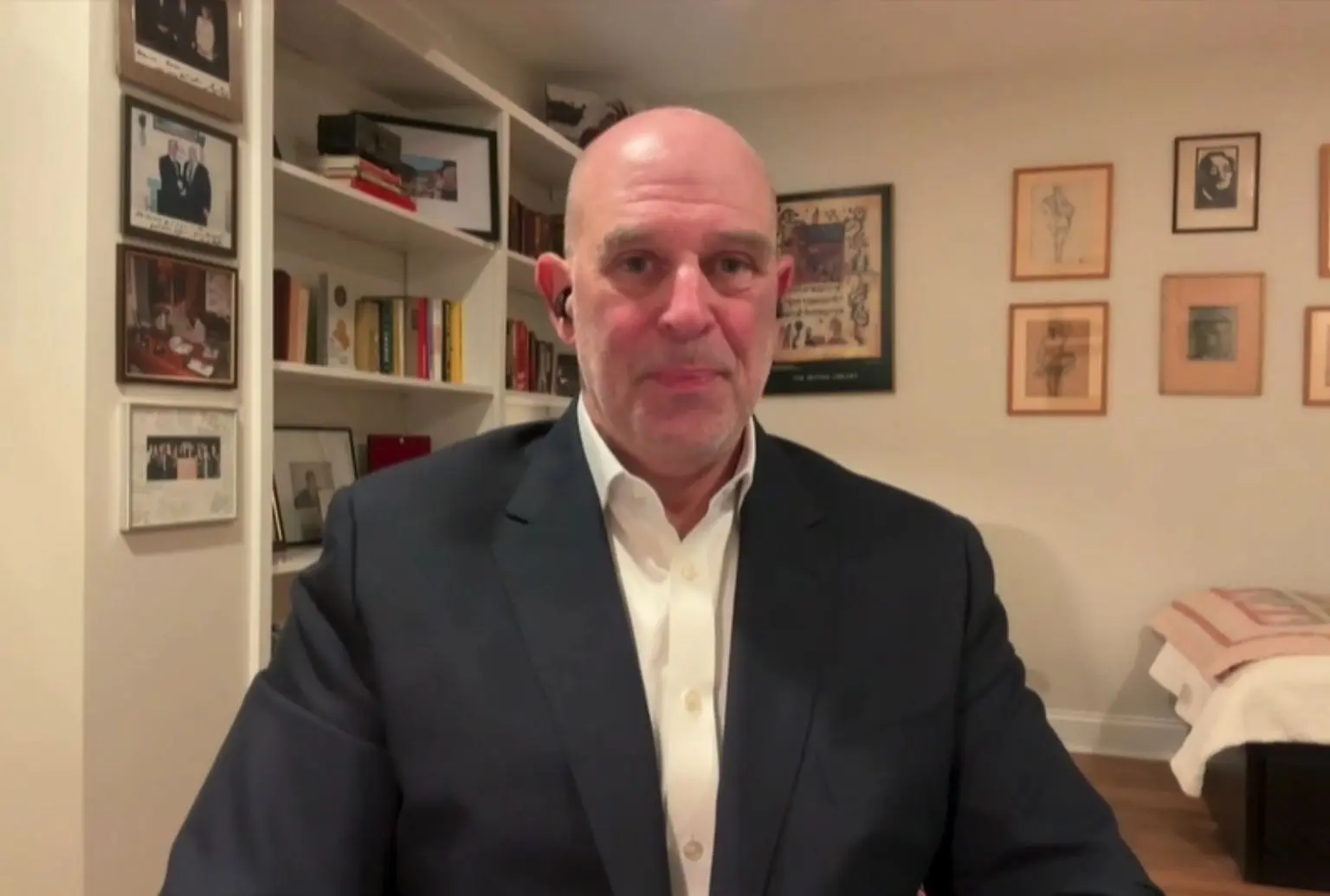
The strategic standoff between the United States and Iran is entering a critical phase as experts evaluate the long-term viability of a maritime blockade. Former US Ambassador to Bahrain, Adam Ereli, suggests that Tehran is uniquely positioned to weather intense economic pressure.
Speaking on Al Jazeera’s ‘This is America,’ Ereli noted that while seizing vessels and blocking ports is a coherent policy, its success depends on factors beyond military might. The effectiveness of such a strategy is increasingly tied to the internal political landscape of the United States.
Strategic Preparedness of the Islamic Republic
Iran has spent years developing sophisticated methods to bypass international restrictions and maintain its economic flow. They have reportedly established alternative means of storing and selling their oil to global markets despite Washington’s oversight.
This level of preparation suggests that Tehran anticipated a scenario involving a total blockade of its primary shipping lanes. Their resilient infrastructure allows them to survive a sanctions regime that many Western observers previously thought would be crippling.
The Intersection of Foreign Policy and Elections
A significant hurdle for the Trump administration is the looming shadow of domestic electoral cycles. Adam Ereli pointed out that Donald Trump remains highly sensitive to the shifting political winds within the United States.
The current strategy against Iran often finds itself in direct conflict with the administration’s domestic electoral objectives. Policymakers must decide whether to prioritize a long-term foreign blockade or maintain the stability required for a successful re-election campaign.
Evaluating the Patience of the American Electorate
The sustainability of a blockade is not just a matter of naval logistics; it is a question of political endurance. Ereli argued that Iran’s patience might actually outlast that of the American people and the White House.
Prolonged involvement in Middle Eastern maritime disputes can become a political liability if it leads to rising energy costs or military overextension. Consequently, the “patience” of the administration is constantly being measured against the potential backlash from voters at home.
Alternative Oil Routes and Economic Resilience
Even if the United States successfully restricts traditional shipping routes, Iran maintains several layers of economic defense. Their ability to utilize grey-market networks and regional partnerships provides a necessary buffer against total isolation.
This resilience forces the United States to constantly adapt its enforcement mechanisms, which requires significant resources and diplomatic capital. As the standoff continues, the question remains which side will be forced to blink first under the pressure of global and domestic scrutiny.