

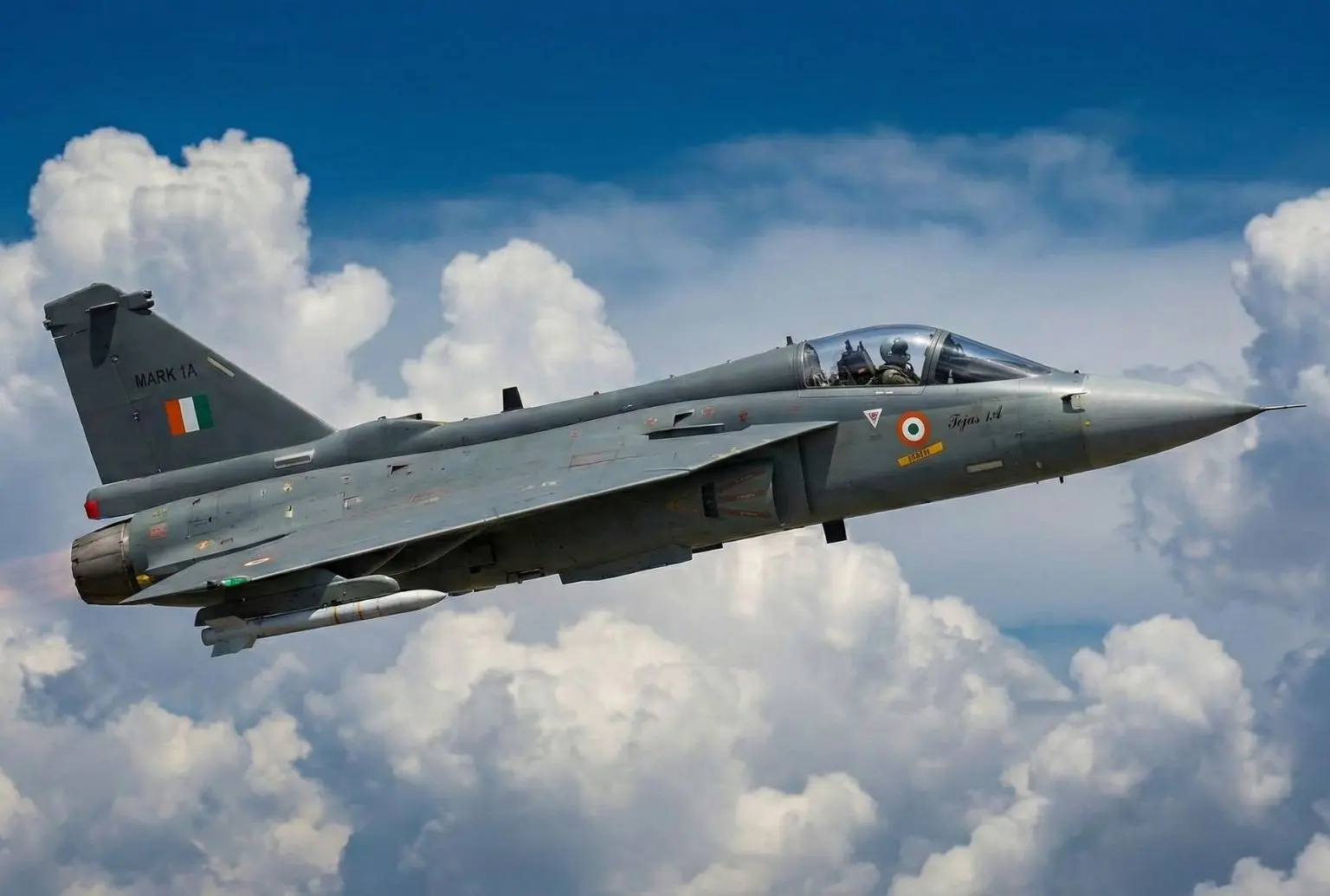
 Digitally Created
- IAF grounds all 30 Tejas fighter jets after crash.
- Pilot safely ejected during the latest training mission accident.
- Third major crash since induction triggers emergency safety audit.
The Latest Mishap
According to official reports, the aircraft was involved in a standard sortie when technical complications arose during the final approach to the runway. The jet hit the ground with significant force, leading to structural failures that rendered the airframe beyond immediate repair. While the safe ejection of the pilot is a relief for the IAF, the loss of another frontline asset has triggered an emergency safety review across the entire Tejas squadron to identify potential systemic flaws.
Pattern of Failures
This grounding is not an isolated response but the culmination of a worrying trend of accidents involving the Tejas platform. This latest event marks the third such crash since the aircraft’s formal induction into the force. Previous notable incidents include a crash near Jaisalmer in 2024 and a highly publicized accident during the Dubai Airshow in 2025. These recurring failures have dented the image of the Tejas as a reliable indigenous alternative to foreign fighter jets.
Production and Delivery Delays
Compounding the operational crisis is the ongoing delay in the delivery of the more advanced Mk1A variants. The IAF was expecting a steady rollout of these upgraded jets to bolster its aging fleet, but production bottlenecks and technical hurdles have pushed timelines back significantly. The grounding of the existing Mk1A and Mk1 units further exacerbates the capability gap, leaving the Air Force with fewer operational platforms during a critical period of regional tension.
Comprehensive Safety Audit
In response to the grounding, a high-level committee has been established to conduct a thorough safety audit of every single aircraft in the fleet. Engineers from Hindustan Aeronautics Limited (HAL) and IAF technical teams are scrutinizing the flight control systems, landing gear mechanisms, and engine performance data. The fleet will remain stationary until every unit passes a rigorous certification process, ensuring that no further assets or lives are put at risk due to mechanical inconsistencies.
Impact on Operational Readiness
The temporary removal of 30 fighter jets from active service poses a significant challenge to India’s aerial defense posture. With the IAF already struggling to maintain its sanctioned squadron strength, the absence of the Tejas fleet forces a heavier reliance on older platforms like the MiG-21 and Sukhoi-30MKI. Military analysts suggest that this setback may force India to reconsider its procurement strategies and speed up the acquisition of multi-role fighter aircraft from international vendors to maintain a credible deterrent.