
 AI
AI
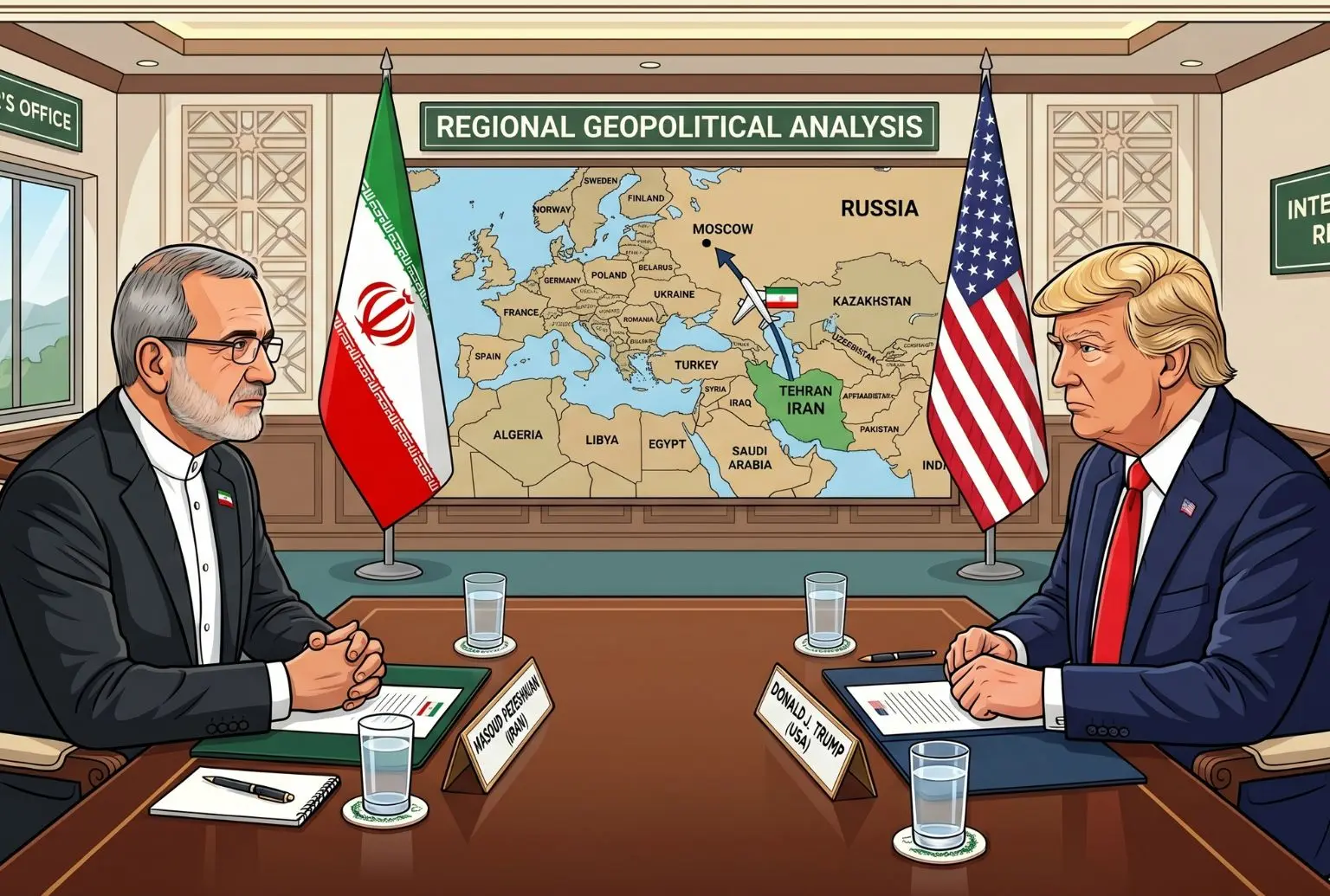
Iran has embarked on an unprecedented diplomatic marathon across several continents to reshape the geopolitical landscape of the Middle East. This mission is led by the Iranian Foreign Minister, Dr. Abbas Araghchi, who has been engaging in high-stakes negotiations with key regional and global players.
During a detailed analysis in a recent vlog, Dr. Moeed Pirzada outlined how this diplomatic offensive is designed to reach the highest levels of power in Washington. The journey began with a significant visit to Pakistan, where the Iranian envoy made a deliberate choice to bypass a concurrent American delegation.
The Strategic Significance of the Oman Negotiations
From Islamabad, the diplomat traveled to Oman, a country that has historically served as a bridge between Tehran and the West. Pirzada claims that the primary focus of the discussions in Muscat was the future management of the Strait of Hormuz.
Reports suggest that Iran and Oman are currently drafting a legal framework to jointly administer this vital maritime artery. This administrative shift would see the armed forces of both nations collaborating to ensure security and regulate traffic through one of the world’s most critical energy corridors.
Russia Provides a Diplomatic Shield
The diplomatic circuit then moved to St. Petersburg, where Araghchi held a pivotal meeting with President Vladimir Putin and Sergey Lavrov. This high-level exchange also included the head of Russian Military Intelligence, signaling a deep security-based cooperation.
Following these talks, the Russian Ambassador to the United Nations expressed public support for Iran’s sovereign rights over the Strait of Hormuz. According to Pirzada, this endorsement provides Tehran with a massive diplomatic shield against Western naval interventions in the region.
A Direct Proposal Reaches the Situation Room
Upon his return to Pakistan, Araghchi met with the Chief of Army Staff, General Asim Munir, to finalize a structured proposal. This document was subsequently forwarded to the United States President-elect, Donald Trump, for urgent review.
Trump reportedly analyzed the proposal within the high-security environment of the Situation Room. While some reports indicate a technical rejection due to a lack of immediate nuclear concessions, the American leader has remained unusually quiet on social media regarding the matter.
Inside the Step-by-Step Peace Plan
The core of the Iranian proposal is a phased approach aimed at de-escalating decades of tension. The first step requires the United States to end its current naval blockade, in exchange for Iran reopening the Strait of Hormuz under a joint sovereignty agreement with Oman.
Once maritime security is established, the second phase would involve direct discussions on the controversial nuclear issue. Pirzada suggests that this structured timeline is intended to provide both sides with a face-saving mechanism to avoid further military conflict.
Global Economic Pressure and Sanctions Relief
This diplomatic push is gaining traction among several major powers, including Saudi Arabia, Qatar, and Egypt. These nations are increasingly concerned about the impact of a prolonged blockade on global oil prices and regional stability.
In Europe, specifically Germany, politicians like Friedrich Merz have hinted at the necessity of lifting sanctions. The heavy toll the current economic blockade is taking on the German economy is forcing a re-evaluation of long-standing foreign policies toward Tehran.
Bypassing the Blockade: The Indian Maneuver
While negotiations continue, Iran has found creative ways to maintain its economic survival. Pirzada highlighted unverified reports of 34 Iranian oil tankers successfully reaching India by navigating close to the coastlines of Iran and Pakistan.
By utilizing the “innocent passage” provision of international law, these vessels were able to completely bypass United States naval assets stationed in international waters. This maneuver demonstrates Tehran‘s ability to maintain its energy exports despite the intense pressure of a global blockade.
The Future of US-Iran Relations
The coming weeks will be critical in determining whether the Trump administration will pivot toward a deal or maintain its “maximum pressure” campaign. The Iranian diplomatic offensive has placed the ball firmly in Washington‘s court.
As Russia continues to provide military and diplomatic backing, the cost of a confrontation in the Strait of Hormuz continues to rise. For now, the world watches closely to see if this detailed proposal can finally break the cycle of hostility in the region.