
 X
X
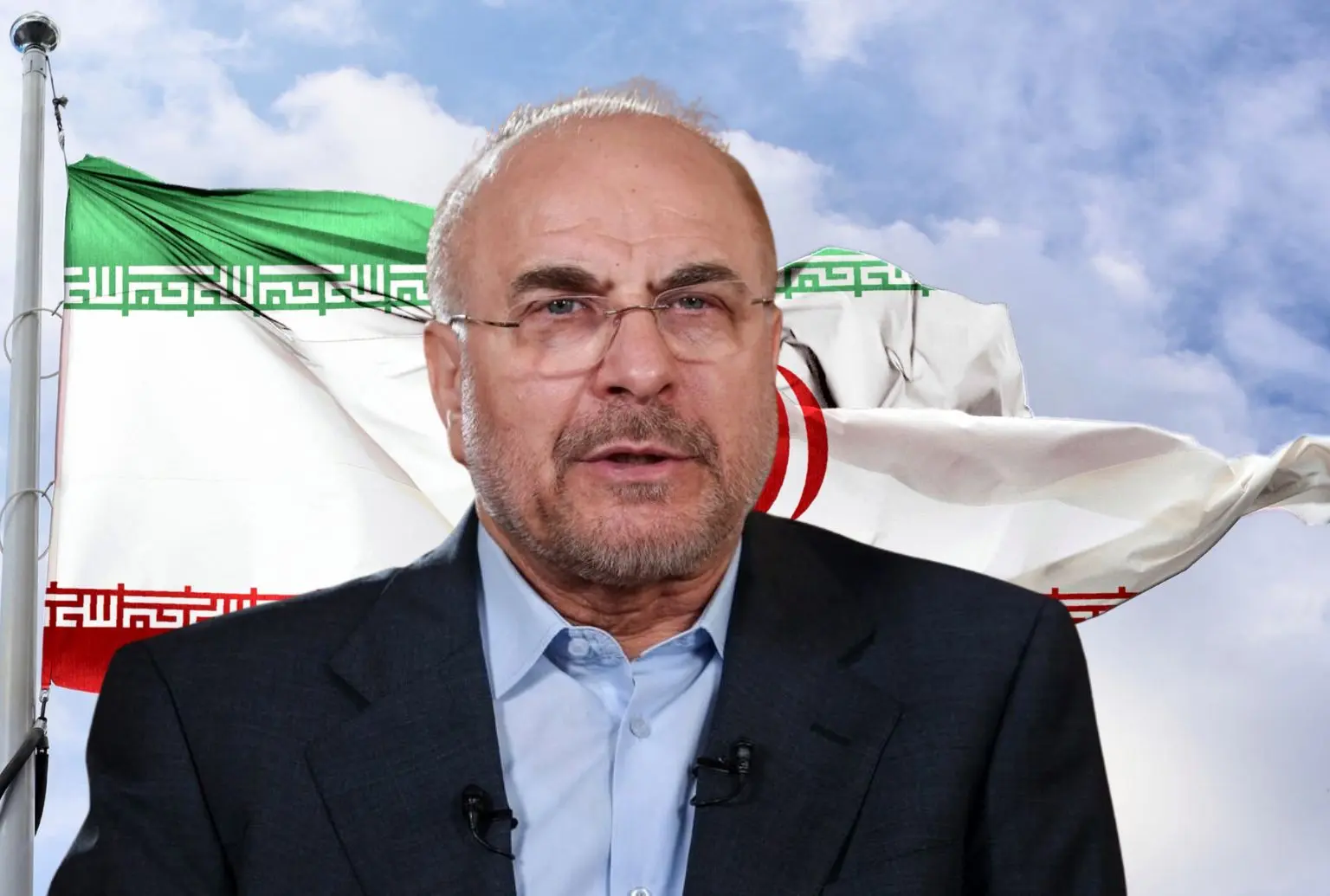
According to a report by the news website Politico, two U.S. administration officials revealed on Monday that Donald Trump’s administration is quietly considering Iranian Parliament Speaker Mohammad Baqer Qalibaf as a potential partner. The officials suggested that Qalibaf could eventually lead the country and serve as a pragmatic negotiator for upcoming diplomatic efforts between the two nations.
White House officials reportedly view Mohammad Baqer Qalibaf as a figure capable of leading Iran during the next phase of the ongoing regional conflict. Sources told Politico that he is seen as an operative partner who could engage in meaningful talks with the Trump administration regarding a comprehensive settlement. Although no final commitment has been made by Washington, he is currently regarded as a top candidate under internal review.
The U.S. administration is reportedly exploring several candidates who might be willing to reach a sustainable deal to end current hostilities. One official stated that while Qalibaf is considered a strong option, the United States must test his reliability before making any definitive political decisions. These sensitive deliberations are taking place as the security situation in the Middle East remains highly volatile.
The sources, who spoke on the condition of anonymity, indicated that the White House is not yet ready for a final alignment with any specific individual. They emphasized the need to evaluate multiple figures within the Iranian political structure to ensure a successful negotiation process. This strategic approach aims to identify leaders who are genuinely interested in de-escalating the current four week war.
Trump Strike Delay
This development follows a sudden announcement by U.S. President Donald Trump regarding a five day postponement of planned military strikes on Iranian power plants. Writing on his Truth Social platform, Trump claimed that extremely good and constructive negotiations had taken place over the last two days. The delay was ordered just hours before a critical deadline that threatened to intensify the ongoing military campaign.
The Pentagon received specific instructions from the President to hold all offensive operations against energy infrastructure until the diplomatic window is fully assessed. Trump emphasized that the primary goal is to reach a final and comprehensive solution to the regional hostilities. This unexpected pause suggests a strategic shift toward exploring back channel communication and potential political transitions within Tehran.
President Trump stated that the recent discussions focused on resolving the broader conflict that has now entered its fourth week. He indicated that the outcomes of these talks would determine the next steps for the U.S. military presence in the region. The decision to delay the strikes was framed as an opportunity for diplomacy to take precedence over further escalation.
Military analysts suggest that the postponement allows both sides to evaluate their positions without the immediate pressure of a devastating strike. The focus on Iranian power plants indicates that the U.S. is targeting critical infrastructure to leverage political concessions. Trump’s social media post has since generated significant debate among international observers regarding the legitimacy of these reported talks.
Tehran Denies Talks
The Iranian Foreign Ministry quickly dismissed the claims made by President Trump, characterizing them as a tactical move to gain time for military planning. Officials in Tehran argued that the U.S. leader is attempting to stabilize global energy prices and create artificial market stability. They maintained that any solutions for de-escalation must originate from Washington since Iran maintains it did not initiate the conflict.
Iranian Parliament Speaker Mohammad Baqer Qalibaf personally addressed the reports on the social media platform X, stating that no negotiations with the United States have occurred. He labeled the news as fake and suggested it was intended to manipulate global oil and financial markets for political gain. Qalibaf further claimed that such reports are used to help the U.S. and Israel escape the current strategic deadlock.
The Fars news agency cited an Iranian official who confirmed that there are no direct or indirect contacts currently happening between Tehran and Washington. This contradiction highlights the significant gap between the public narratives of the two governments during the crisis. Iranian authorities continue to insist that any reduction in tension requires a change in American foreign policy rather than personnel shifts.
Spokespeople for the Iranian ministry suggested that Trump’s announcement was a calculated effort to manage domestic expectations and international pressure. They emphasized that Iran remains prepared to defend its sovereignty against any potential aggression despite the temporary delay in strikes. The denial from Tehran complicates the U.S. narrative of a pending diplomatic breakthrough in the region.
Regional Security Shifts
If the United States persists in identifying a preferred partner within the Iranian system, it could lead to significant internal friction within the Islamic Republic. Analysts suggest that mentioning specific names like Qalibaf might be a strategy to gauge the reaction of the Iranian public and the political elite. However, the lack of official consensus in Tehran makes any immediate breakthrough unlikely without formal diplomatic channels.
The next few days will be crucial in determining whether the five day strike delay leads to a broader ceasefire or a renewed military push. Observers are closely watching for any signs of movement in the global energy markets as a result of these high stakes rumors and official denials. The Trump administration continues to balance heavy military pressure with a search for a sustainable political outcome.
International diplomats are monitoring the situation to see if a third party mediator will emerge to bridge the gap between Washington and Tehran. The prospect of Qalibaf taking a leading role in future negotiations remains a subject of intense speculation in regional security circles. For now, the conflict remains in a state of precarious suspension as both nations wait for the next move.
The potential for a leadership shift in Iran could redefine the geopolitical landscape of the Middle East for years to come. Whether the U.S. can successfully cultivate a pragmatic partner remains an open question amidst the cycle of military threats and public denials. The world remains focused on the impending deadline and the possibility of a diplomatic resolution to the crisis.