

 Ministry of Foreign Affairs
Turkey, Pakistan, Saudi Arabia, and Egypt are reportedly exploring the formation of a strategic Islamic Defense Alliance to enhance regional stability. The discussions focused on military coordination and the geopolitical impact of ongoing conflicts in the Middle East, signaling a shift in traditional security paradigms across the region.
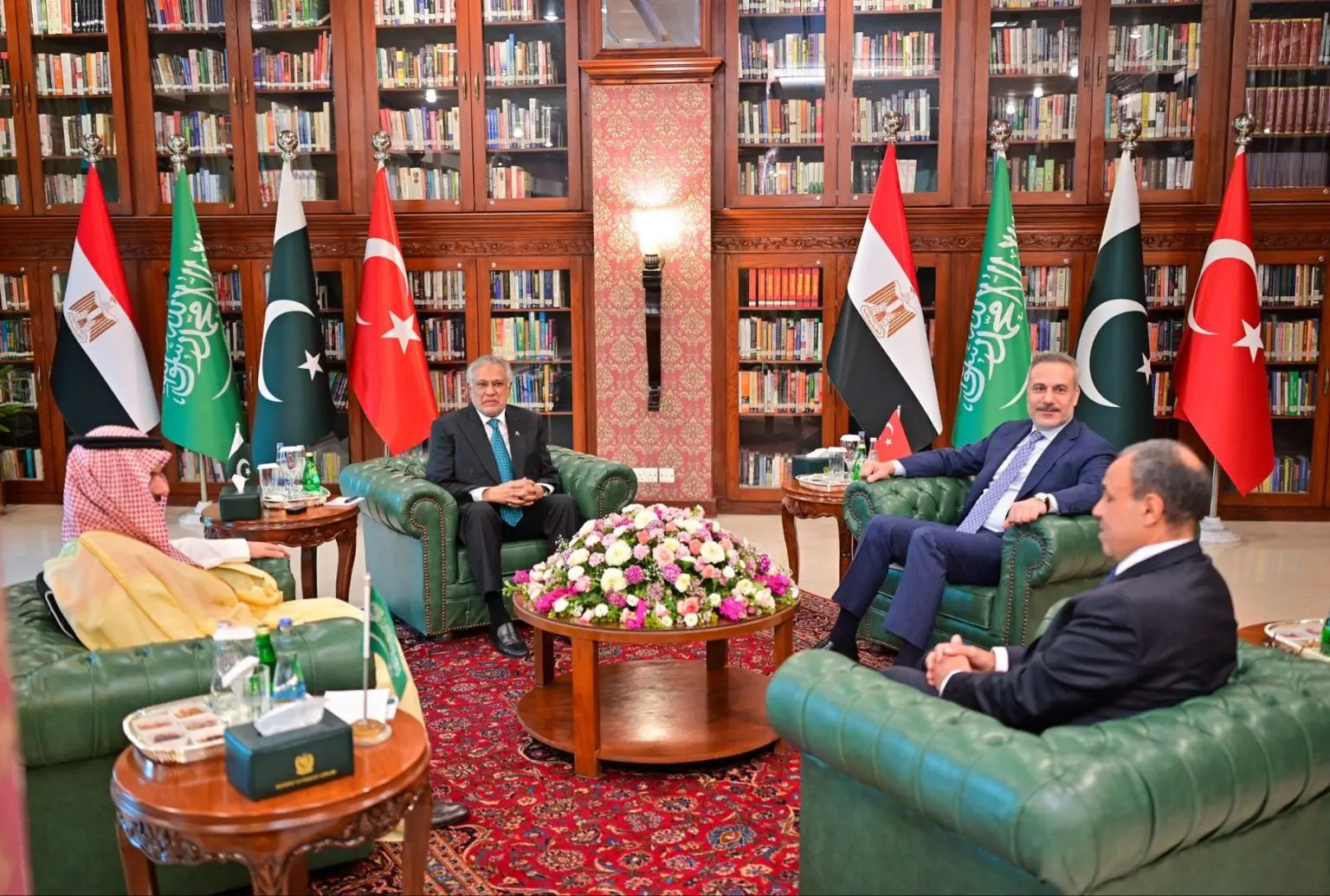
The Turkish pro-government newspaper Turkiye, as reported by the BBC, stated that recent talks in Islamabad regarding the Iran conflict indicate a move toward this four-nation alliance. The meeting featured representatives from all four countries who analyzed the potential military synchronization required to navigate current regional tensions.
During the summit held on March 31, officials emphasized that the protection of shared interests is now a priority for these major Muslim nations. The participants reviewed the strategic implications of the Iran war and how it affects the sovereign security of neighboring states in South Asia and the Middle East.
Strategic Regional Background
A Turkish official cited in the report noted that the strategic positioning of the United States and Europe in the Islamic world is increasingly viewed as a challenge. The official claimed that Western policies often prioritize specific interests that may conflict with the stability of Middle Eastern nations.
The Islamabad meeting stressed the urgent need for new concepts of security and stability that originate within the region itself. Leaders expressed a collective desire to reduce reliance on external security architectures that have dominated the area for decades.
Several principled decisions were reached during the Islamabad sessions to formalize future cooperation. The participating nations agreed that the next round of high-level talks would take place in Turkey to further define the operational framework of this emerging partnership.
International Reaction Overview
Analyst Ahmet Khan suggested that the inclusion of Egypt and Saudi Arabia alongside Turkey and Pakistan sends a powerful message to the global community. He noted that the alliance signifies a transition where the Islamic world intends to take control of its own strategic destiny and decision-making processes.
The Israeli media has closely monitored these developments, with reports describing the potential alliance as a significant concern for regional power balances. The Jerusalem Post analyzed the shift, noting that Turkey’s influence appears to be growing as other regional actors face internal or external pressures.
The analysis further suggested that Ankara is positioning itself as a primary candidate for regional leadership among Muslim-majority nations. This development is seen as a direct response to the perceived vacuum in consistent regional security leadership and the ongoing humanitarian crises affecting the territory.
Future Security Implications
The concept of a NATO-style alliance for Muslim nations has been a recurring theme in Turkish media and political discourse for several years. Proponents argue that such a structure would allow these countries to solve regional security issues without intervention from global superpowers.
Yilmaz Bilgen, the author of the Turkiye report, is known for his nationalist perspective on regional affairs. While his reporting often reflects a specific ideological lens, the consistency of these discussions indicates a serious level of diplomatic engagement between the four capitals involved.
If formalized, the Islamic Defense Alliance could fundamentally alter the military landscape of the Middle East and South Asia. The combined military capabilities of Turkey, Pakistan, Saudi Arabia, and Egypt would represent one of the most formidable conventional forces in the world today.