
 Meta
Meta
In a recent and comprehensive analytical report, prominent political commentator Ather Kazmi shared a detailed breakdown of the multifaceted crises currently facing Pakistan. The analysis touches upon the deteriorating health of political prisoners, the high-stakes diplomatic maneuvering in the Middle East, and the systemic hurdles within the country’s own administrative structures.
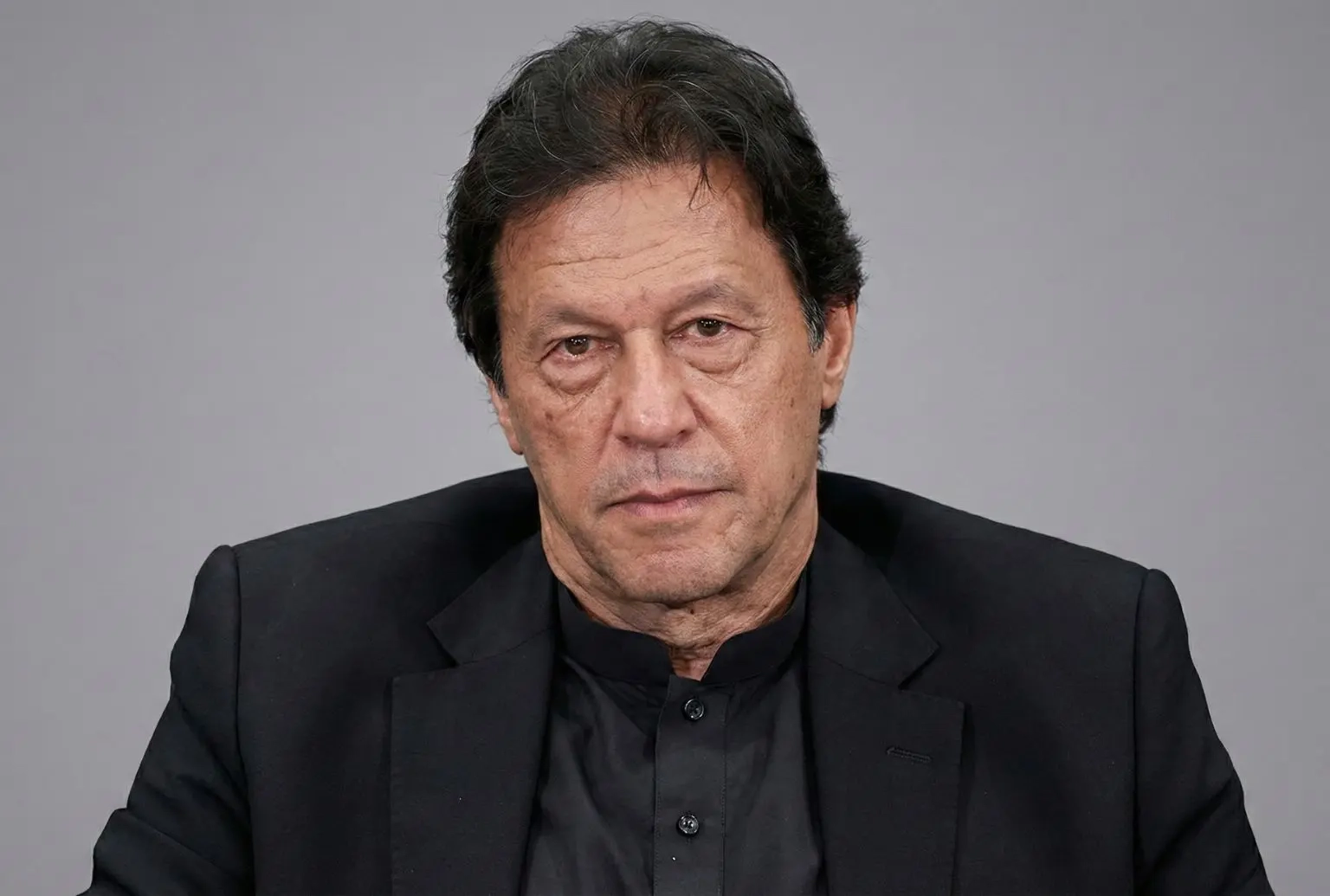
The discourse begins with a somber look at the conditions of Imran Khan and other PTI leaders currently in detention. Ather Kazmi points out that for nearly five months, the former Prime Minister has been denied fundamental access to his family members, medical professionals, and legal representation.
Health Concerns for PTI Leadership and Prisoners
Specific alarms have been raised regarding a persistent eye infection that Imran Khan is reportedly battling. Ather Kazmi notes a concerning and unusual pattern within the PTI ranks regarding this specific ailment.
The analyst highlights that Bushra Bibi and activist Sanam Javed are both suffering from similar eye issues while in custody. This suggests a potential lack of hygiene or medical neglect within the correctional facilities of Pakistan.
According to reports from Sanam Javed‘s husband, she and her colleague Aliya have been confined to a cramped barrack shared with individuals struggling with drug addiction. This environment has persisted for months without adequate medical intervention for their worsening conditions.
Ather Kazmi suggests that if the government does not restore visitation rights and medical access by the end of April, the PTI may be forced to pivot. This could result in a “Final Call” for protests or a radical shift in their political strategy.
Global Diplomatic Maneuvering in the Middle East
Moving to the international stage, Ather Kazmi details Pakistan‘s active, yet discreet, role in regional de-escalation. The visit of Iran‘s Foreign Minister to Islamabad following a trip to Oman signals a critical phase in Middle Eastern diplomacy.
The analyst explains that a massive diplomatic effort is underway involving Russia, China, Turkey, and Saudi Arabia. The primary objective is to prevent the US-Iran-Israel friction from erupting into a full-scale regional war.
Key events noted in the report include a direct telephone conversation between the leadership of Saudi Arabia and Iran. Furthermore, the Russian Defense Minister’s visit to North Korea is seen as a strategic movement in this global chess game.
According to Ather Kazmi, regional powers are no longer seeking temporary pauses in conflict. Instead, they are pushing for a permanent ceasefire backed by UN Security Council guarantees to prevent Israel or the US from resuming hostilities abruptly.
Islamabad Reopens After Severe Economic Disruption
The domestic impact of political instability was recently felt through the massive traffic restrictions in Islamabad and Rawalpindi. Ather Kazmi reports that these closures caused immense distress to the general public and paralyzed local commerce.
High-end hospitality businesses, including restaurants and major hotels near the Red Zone, reported losing over half of their revenue. The paralysis of the capital’s commercial heart highlights the high cost of current security protocols.
Deputy Prime Minister Ishaq Dar recently announced via social media that the roadblocks around Serena Hotel and the Red Zone have been removed. While he thanked the public for their patience, the economic damage to the business community remains a point of contention.
Public Accountability and the Price of Free Speech
The analysis also covers the recent incident involving religious scholar Tahir Ashrafi in London. Tahir Ashrafi was reportedly heckled and questioned by individuals during his visit to the United Kingdom.
Ather Kazmi emphasizes that while respect for scholars is vital, public figures must expect scrutiny in free societies. He notes that the freedom of movement in the West often allows for such direct, albeit uncomfortable, public interactions.
Drawing from his experience at the BBC, the analyst recalled a UK police officer’s perspective on civil liberties. The officer explained that a free society cannot limit the rights of the majority just to suppress a few disruptive individuals.
A recent ban by Pakistan Railways on vlogging and filming without a formal NOC also drew sharp criticism from Ather Kazmi. He argues that this restrictive “NOC culture” actively damages Pakistan’s tourism potential and international image.
The host contrasted this with his experiences in Indonesia, where he was allowed to film on public transport without bureaucratic interference. He believes such restrictions are counterproductive in a digital age where travel content serves as free promotion for the country.
The Struggle Against Bureaucratic Hurdles and Corruption
Finally, the report addresses the pervasive issue of systemic corruption within the Capital Development Authority (CDA). Ather Kazmi referenced comments by Mohsin Naqvi regarding the necessity of bribes to complete basic administrative tasks.
To illustrate the severity, the analyst shared the story of a former top-tier diplomat with immense political connections. Despite his elite status, the diplomat was allegedly forced to pay a bribe of 1 lakh rupees to process a routine housing application.
Without this illegal payment, the diplomat faced a deliberate delay of over six months. This anecdote underscores the reality that even the most well-connected citizens are not immune to the predatory practices of the bureaucracy.
In his concluding remarks, Ather Kazmi called for immediate government accountability to dismantle these corrupt structures. He stressed that without transparency in the CDA and other institutions, Pakistan’s internal stability will continue to suffer.