
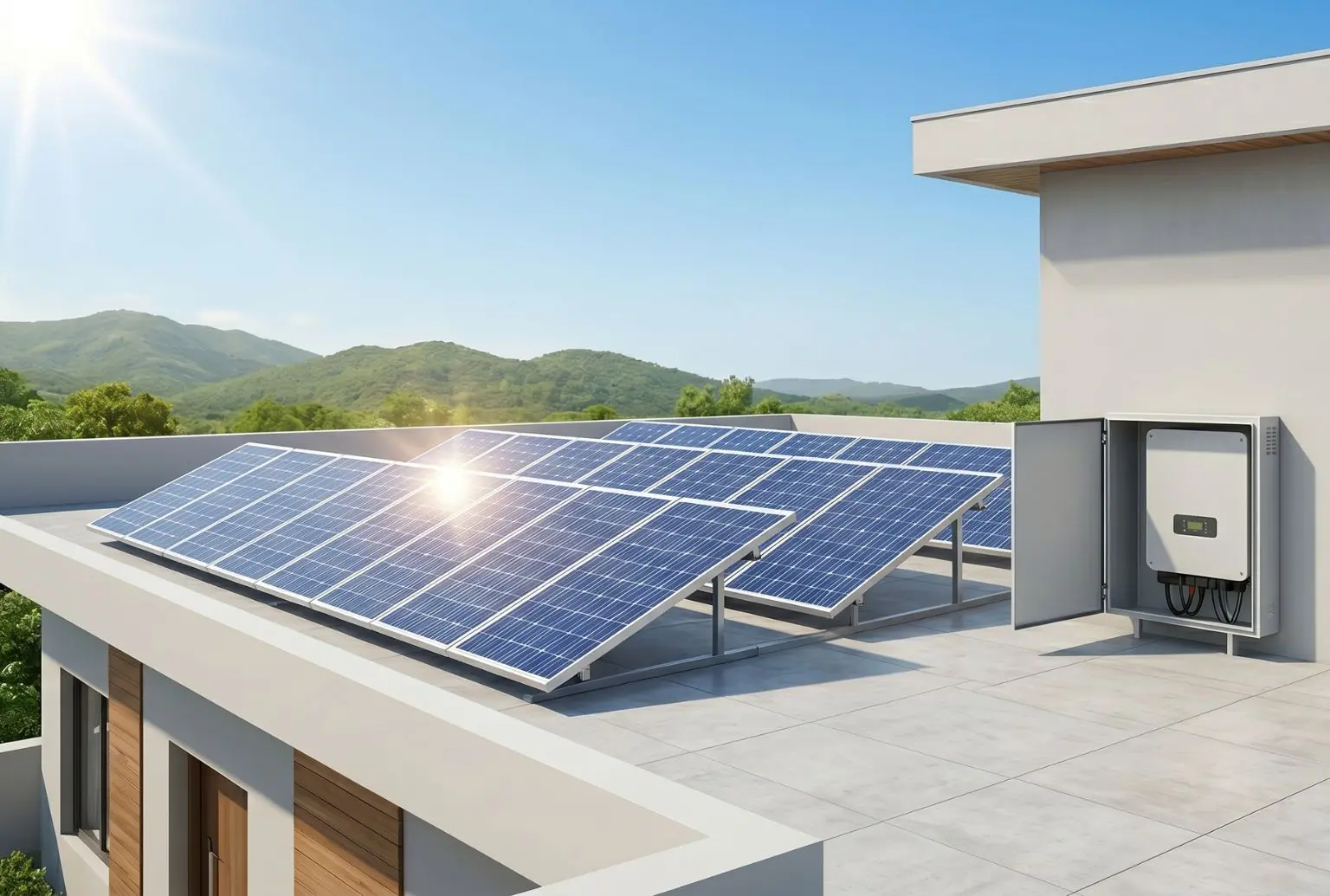
The federal Power Division has formally approached the National Electric Power Regulatory Authority (NEPRA) with a request to abolish licensing and fee requirements for solar consumers. This specific proposal targets users with solar installations of up to 25 kilowatts.
According to a report by BBC journalist Tanveer Malik, the move is intended to facilitate small-scale solar adoption across the country. The government aims to eliminate the bureaucratic hurdles that currently discourage domestic and small commercial users from switching to green energy.
Energy Minister Awais Leghari Advocates for Consumer Relief
The directive was issued following instructions from the Federal Minister for Energy, Awais Leghari. The Power Division has officially communicated to the regulator that no application fees should be charged to these small-scale users.
Furthermore, the minister has emphasized that consumers utilizing 25 kilowatts or less should not be subjected to the rigorous and often exhausting licensing process. Awais Leghari shared his vision for the energy sector on the social media platform X, formerly known as Twitter.
“Our government is firmly in favor of solar energy and the rights of consumers,” the minister stated in his official post. He further elaborated that the administration is committed to promoting clean energy and providing maximum relief to the public by reducing costs.
Historical Context and Regulatory Shifts
The Power Division pointed out that NEPRA had previously been briefed on the potential negative impacts of the current regulatory framework. There is a strong push to align the new rules with the more consumer-friendly policies that existed in the past.
Under the regulations established in 2015, distributed generation installations of 25 kilowatts or less did not require a formal license from NEPRA. This allowed for a much faster and more affordable transition for middle-class households in Pakistan.
During that period, applications were handled directly by local electricity distribution companies, commonly known as DISCOs. This decentralized approach meant that consumers faced zero licensing fees, making it a significant financial incentive for urban residents.
The Transition to Prosumer Regulations
However, recent changes under the new “Prosumer Regulations” centralized the approval authority back to NEPRA. This regulatory shift introduced application fees even for small solar setups, which sparked widespread concern among stakeholders.
The Private Power and Infrastructure Board (PPIB) has also flagged these changes as problematic. The board requested NEPRA to revert to the previous approval methodology to maintain the momentum of solar energy growth in Pakistan.
Reports from BBC indicate that during public hearings, the Pakistan Solar Association raised serious objections. They argued that the new fees and licensing requirements act as a barrier to the country’s renewable energy targets.
Impact on Domestic Solar Growth and Grid Stability
The government’s latest request is seen as a strategic move to ease the burden on the national grid by encouraging self-generation. Small-scale solar users contribute significantly to reducing peak demand during the harsh summer months in cities like Lahore, Karachi, and Islamabad.
By removing the Solar License Fee, the Power Division hopes to make solar technology more accessible to the average citizen. This is particularly crucial given the rising electricity tariffs that have strained household budgets across the nation.
Experts believe that if NEPRA accepts the proposal, it will lead to a renewed surge in solar panel installations. This would not only help individuals save money but also support the broader national goal of achieving a sustainable energy mix.
Next Steps for NEPRA and Stakeholders
The ball is now in NEPRA’s court to decide whether to roll back the controversial licensing fees. The regulator must balance the need for oversight with the government’s stated priority of promoting renewable energy without financial penalties.
Stakeholders, including environmental advocates and energy consultants, are closely watching the developments. The removal of the Solar License Fee is expected to be a major talking point in the upcoming regulatory sessions.
In conclusion, the Power Division remains firm that the 2015-style simplicity is the best path forward. For the millions of potential solar users in Pakistan, this decision could mean the difference between sticking with expensive grid power or investing in a cleaner future.