

 BOEING
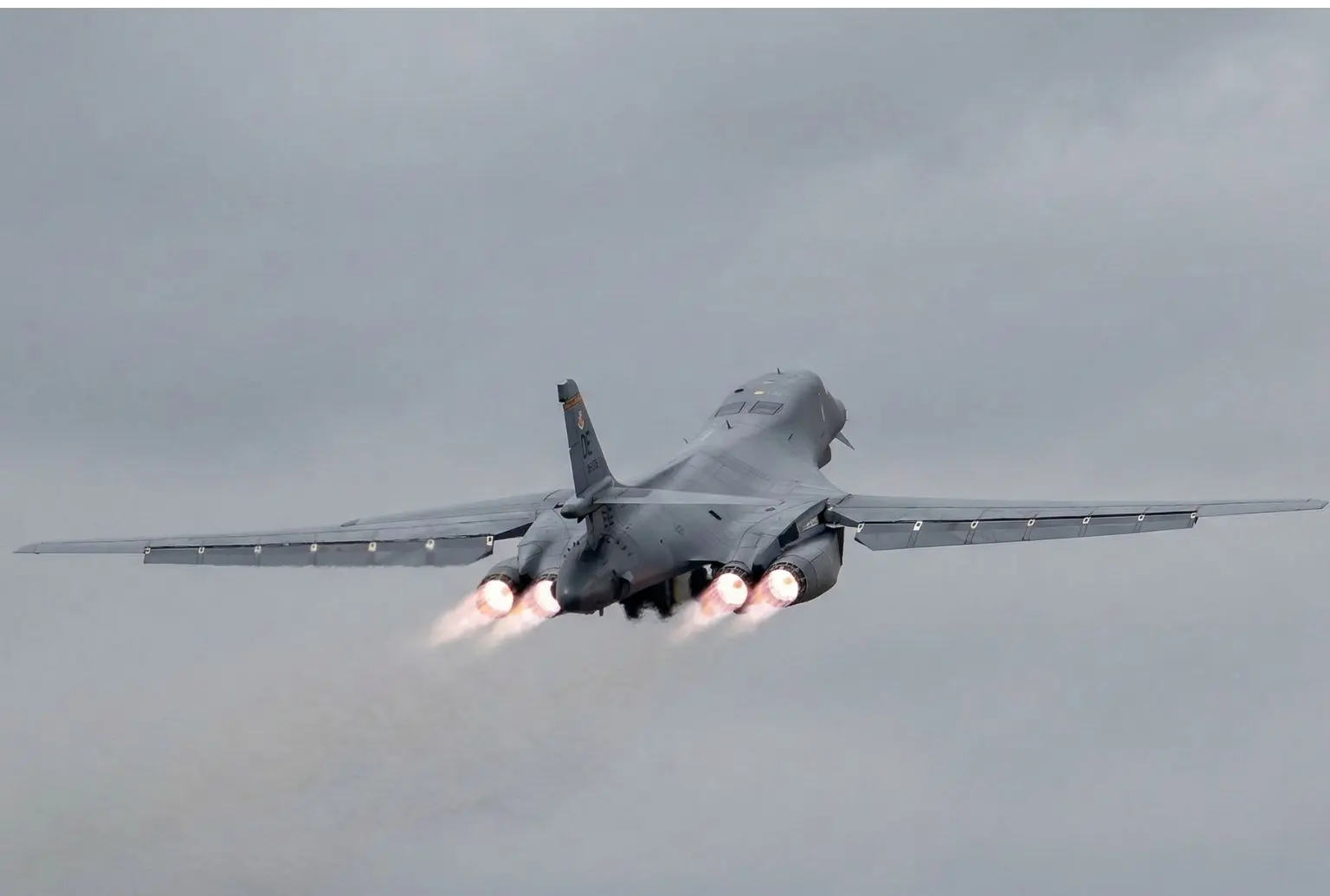
The US Air Force deployed a B-1 Lancer bomber to the Royal Air Force Fairford base in Gloucestershire. This strategic arrival follows Prime Minister Keir Starmer’s decision to allow US forces to use UK military facilities. The deployment targets defensive operations against missile launch sites in Iran according to the BBC.
What Happened
The 146 foot long B-1 Lancer bomber landed at the RAF Fairford airbase on Friday morning. This massive aircraft is capable of carrying up to 24 cruise missiles during a single mission. The plane arrived after British officials expressed readiness to host these advanced combat aircraft on their soil.
Known as The Bone, the aircraft utilizes sophisticated radar and GPS systems for high precision strikes. It is equipped with electronic jammers and radar warning systems to survive in hostile environments. These features allow the bomber to deceive enemy tracking systems while approaching its intended targets.
The aircraft operates with a dedicated crew of four highly trained military personnel. It features a wingspan of 137 feet and weighs approximately 86 tons when fully operational. This arrival marks a significant increase in the available military hardware stationed within the United Kingdom.
Inside the B-1 Lancer: Capabilities and Crew
RAF Fairford sits on the geographic border of Gloucestershire and Wiltshire in England. The United States military has a long history of using this base for heavy bombing operations. It served as a vital hub for long range missions during several previous international conflicts.
Boeing identifies the B-1 Lancer as the fastest bomber currently serving in the US Air Force. The aircraft can reach speeds exceeding 900 miles per hour during its flight operations. This speed allows it to respond quickly to emerging threats across vast geographical distances.
The current deployment stems from a recent policy shift by the British government. Prime Minister Keir Starmer recently granted the United States permission to conduct operations from British soil. This decision specifically addresses the growing concerns regarding missile activities within the Middle East region.
Response or Reaction
A spokesperson for the Prime Minister addressed the media regarding the use of these bases. The official stated that the permission is limited to specific and defensive military actions. This strategy aims to protect British citizens and regional allies from potential missile threats.
The British military will maintain a focus on defensive measures like intercepting incoming drones. They clarified that the United Kingdom would not participate directly in any offensive ground combat. Instead, they provide the necessary infrastructure for US forces to neutralize missile launch sites.
The government emphasized that these steps are necessary to prevent future attacks in the region. By targeting threats at their source, officials hope to stabilize the current security situation. This cooperation highlights the strong military bond between the United States and the United Kingdom.
What Happens Next
US Defense Secretary Pete Hegseth suggested that military operations in the region may soon expand. He indicated that the US plans to increase the number of fighter squadrons and bomber flights. This escalation is intended to enhance defensive capabilities and deter further missile launches from Iran.
More aircraft are expected to arrive at RAF Fairford in the coming days to join the fleet. Military planners are coordinating these flights to ensure a continuous presence in the strategic airspace. The integration of these bombers marks a new phase in the regional security framework.
FAQs
Q:What is the primary role of the US B-1 Lancer bomber in the UK?
A:The bomber is deployed at RAF Fairford for defensive operations targeting missile launch sites in Iran to ensure regional security.
Q:Why did Prime Minister Keir Starmer allow US bases in Britain?
A:The Prime Minister authorized the use of UK airbases to protect British interests and regional allies through limited defensive strikes.